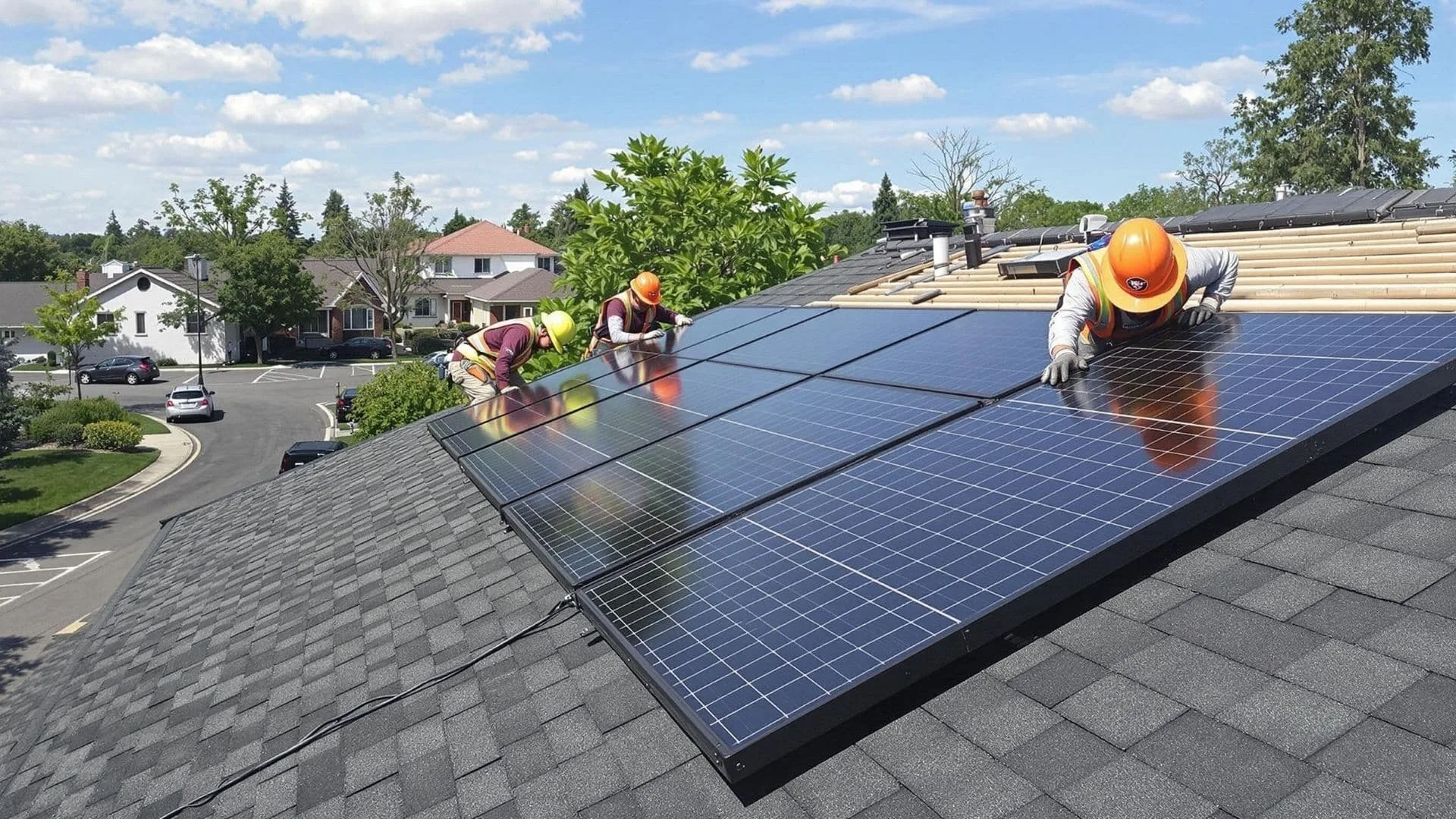
If you are working in renewable energy sales, especially in a fast-growing niche like solar, understanding 10 Tax Write-Offs For Solar Salespeople can make a real difference in your take-home income. Solar sales reps, whether independent contractors or W-2 employees with side expenses, often deal with travel, client meetings, marketing costs, and home office setups, all of which may qualify as tax deductions. Knowing which solar sales tax deductions apply to your situation can help you legally reduce your taxable income, improve cash flow, and make your business operations more efficient. This guide explores the most valuable write-offs for solar professionals, including mileage deductions, marketing expenses, and equipment costs, while helping you avoid common mistakes that leave money on the table.
Why Tax Write-Offs Matter For Solar Salespeople
Solar sales is not your typical desk job. You are driving to appointments, generating leads, investing in tools, and sometimes working remotely. All of these activities come with costs, and many of those costs are deductible.
If you are not tracking and claiming these deductions, you are essentially overpaying taxes. The goal is not to stretch the rules, but to fully understand and apply them correctly.

1. Vehicle And Mileage Expenses
If you use your car for work, this is one of the biggest deductions available.
You can deduct either:
- Standard mileage rate
- Actual vehicle expenses such as gas, maintenance, insurance
Most solar salespeople prefer the mileage method because it is simpler and often more beneficial.
2. Home Office Deduction
If you work from home, even partially, you may qualify for a home office deduction.
To qualify, your workspace must be:
- Used regularly
- Used exclusively for business
This can include a portion of your rent, utilities, and internet costs.
3. Marketing And Advertising Costs
Generating leads is essential in solar sales, and those costs add up fast.
You can deduct expenses like:
- Online ads
- Printed flyers
- Business cards
- Website hosting
If it helps you attract customers, it likely counts.

4. Phone And Internet Bills
Your phone is probably one of your most important tools.
You can deduct the business portion of:
- Mobile phone bills
- Internet service
If you use your phone 80 percent for work, then 80 percent of the cost may be deductible.
5. Travel Expenses
If your work takes you outside your local area, travel costs can be written off.
This includes:
- Flights
- Hotels
- Meals related to business travel
Just make sure the trip is primarily for work purposes.

6. Education And Training
Staying updated in the solar industry is important.
You can deduct:
- Courses
- Certifications
- Industry seminars
If it improves your skills in solar sales, it is generally considered a valid expense.
7. Office Supplies And Equipment
Everything from small supplies to major equipment can be deducted.
Examples include:
- Laptops
- Tablets
- CRM tools
- Notebooks and office supplies
These are everyday tools that support your sales process.
8. Commissions And Fees
If you pay referral fees or share commissions, those costs may be deductible.
This is common in solar sales where partnerships and lead sharing are part of the business model.
9. Insurance Premiums
If you pay for your own insurance, you may be able to deduct it.
This includes:
- Health insurance for self-employed individuals
- Business liability insurance
These costs are often overlooked but can be significant.

10. Meals With Clients
Taking a client out for coffee or lunch can count as a business expense.
Typically, you can deduct a portion of:
- Business meals
- Client entertainment tied to business discussions
Keep receipts and note the purpose of the meeting.
Tips To Maximize Your Deductions
Keep your records organized throughout the year. Use apps or spreadsheets to track expenses, save receipts, and document business purposes. Waiting until tax season makes everything harder and increases the chance of missing deductions.
Also, consider working with a tax professional who understands independent contractors and sales roles. It can pay off more than you expect.
Common Mistakes To Avoid
Many solar salespeople either overclaim or underclaim deductions.
Avoid:
- Mixing personal and business expenses
- Forgetting to track mileage
- Claiming expenses without documentation
Accuracy matters just as much as maximizing deductions.

FAQs
Can solar salespeople write off gas and car expenses?
Yes, if the vehicle is used for business purposes, you can deduct mileage or actual expenses.
Do I need a business to claim these deductions?
No, independent contractors can claim them without forming a formal business entity.
Can I deduct my phone bill بالكامل?
Only the portion used for business is deductible, not personal use.
Are meals fully deductible?
Usually only a percentage is deductible, and they must be business-related.