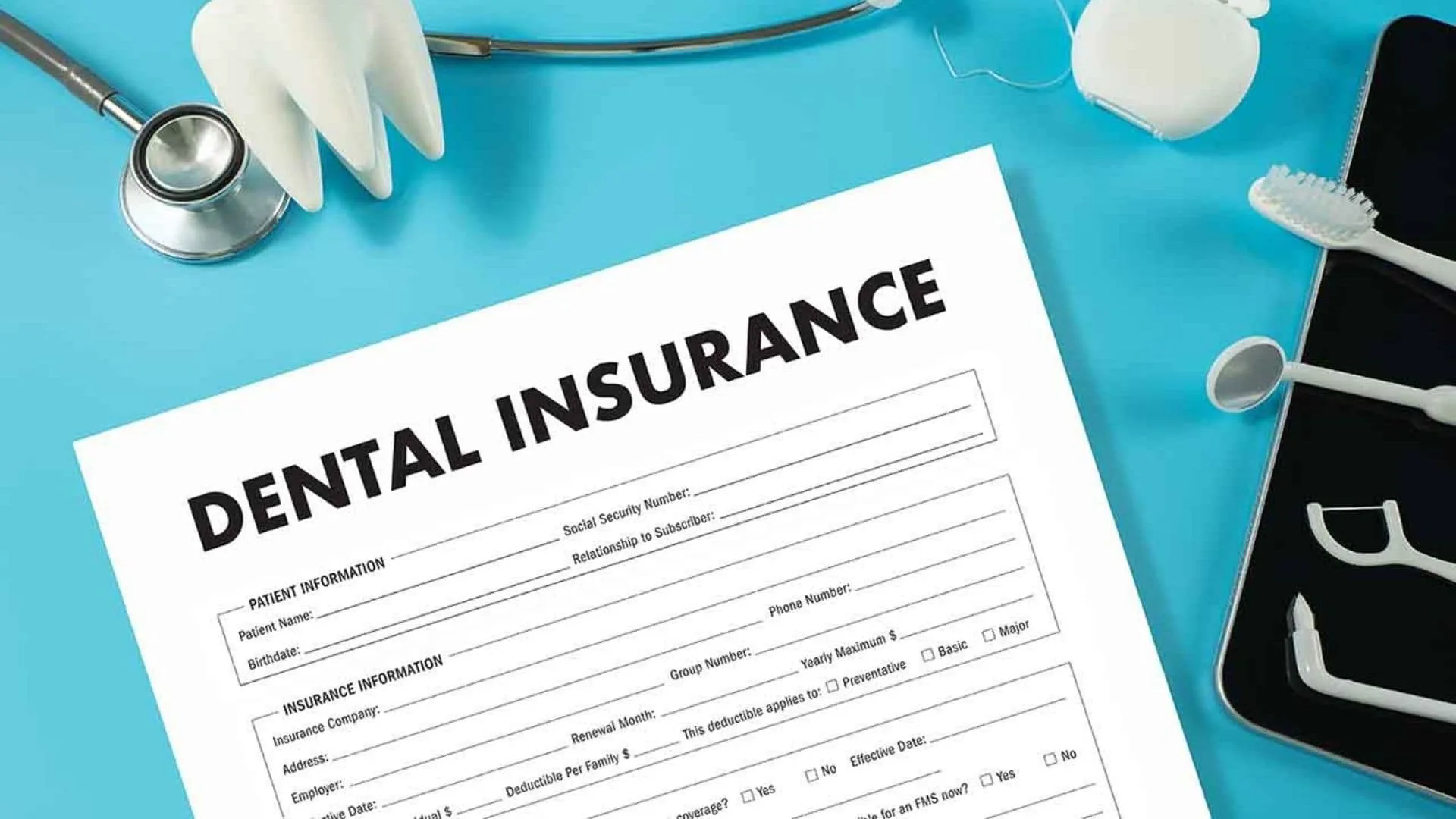
When you find yourself staring at a hefty quote for a root canal or worrying about the cost of your child’s braces, the importance of securing the Best Dental Coverage Plans becomes undeniably clear, transforming from a mundane financial chore into a critical priority for your family’s oral health and financial well-being. Navigating the complex landscape of dental insurance can feel overwhelming, especially when you are bombarded with terms like annual maximums, deductibles, waiting periods, and preventative care coverage, but understanding these elements is essential for anyone looking to purchase dental insurance that actually delivers value rather than empty promises. Whether you are self-employed, a senior citizen looking for supplemental coverage, or simply someone whose employer does not offer comprehensive benefits, finding affordable dental insurance is the key to maintaining that sparkling smile without breaking the bank. From routine cleanings and X-rays to major procedures like crowns, bridges, and implants, the top-rated dental insurance companies offer a variety of options tailored to specific needs, including HMO and PPO networks that balance flexibility with cost savings. By comparing dental discount plans against traditional full-coverage policies, you can identify the best dental insurance for families or individuals that minimizes out-of-pocket expenses while maximizing the quality of care received from your preferred dentist.
Understanding the Basics of Dental Insurance Types
Before committing to a monthly premium, it is crucial to distinguish between the different structures of plans available on the market. The most common type is the Dental Preferred Provider Organization (DPPO or PPO). These plans remain a favorite because they offer a balance of flexibility and savings. You have the freedom to visit any licensed dentist, but staying within the provider’s network yields significantly lower costs. This is often the ideal choice for those who already have a dentist they trust and want to ensure they can continue receiving care there.
Alternatively, a Dental Health Maintenance Organization (DHMO) operates much like a traditional medical HMO. These plans typically have lower premiums and no deductibles, making them highly budget-friendly. However, the trade-off is a strict restriction on which providers you can see. You generally must choose a primary care dentist from a specific list, and if you require a specialist, you will need a referral. For individuals prioritizing low monthly costs over provider choice, a DHMO is often a strong contender.

Evaluating Coverage Levels and Essential Benefits
Most reputable insurance providers follow a “100-80-50” coverage structure, which is a helpful benchmark when comparing policies. This usually means the plan covers 100% of preventative care, such as bi-annual cleanings, exams, and routine X-rays. Since these procedures are the foundation of oral health, having them fully covered is a non-negotiable feature for top-tier plans.
Basic procedures, including fillings, extractions, and periodontal work, are typically covered at 80%, leaving the patient to pay the remaining 20%. Major procedures—often the most expensive treatments like crowns, bridges, dentures, and root canals—are usually covered at 50%. It is vital to scrutinize the “fine print” regarding these major services, as some budget plans may exclude them entirely or impose long waiting periods before coverage kicks in.
The Role of Waiting Periods and Annual Maximums
One of the biggest surprises for new policyholders is the waiting period. Insurance companies institute these to prevent people from buying coverage only when they have an emergency and cancelling immediately after. While preventative care is often available immediately, you might have to wait six to twelve months for major restorative work. If you have immediate needs, look for “no waiting period” dental insurance, though be prepared for slightly higher premiums or graded benefits that increase over time.
Equally important is the annual maximum benefit. This is the total amount the insurance company will pay for your care within a plan year. Once you hit this cap—often ranging from $1,000 to $2,000—you are responsible for 100% of the costs. If you anticipate needing extensive work, such as orthodontics or multiple implants, prioritizing a plan with a high annual maximum is a smart financial strategy.
Dental Discount Plans vs. Traditional Insurance
For some, traditional insurance might not be the right mathematical fit. In these cases, dental discount plans (or savings plans) offer a compelling alternative. These are not insurance policies; rather, they are membership programs where you pay an annual fee to gain access to a network of dentists who have agreed to reduced rates.
There are no claims to file, no annual maximums, and no waiting periods with discount plans. You simply show your card at the appointment and pay the discounted rate directly to the provider. This option is particularly attractive for seniors or those needing immediate access to expensive procedures that would otherwise exceed the annual cap of a standard insurance policy.
Tips for Choosing the Right Provider
When finalizing your decision, look beyond just the monthly premium. Research the insurer’s reputation for customer service and claims processing speed. Companies like Delta Dental, Cigna, Humana, and UnitedHealthcare consistently rank high due to their expansive networks and reliable customer support.
Additionally, check if the plan includes teledentistry options or orthodontic coverage for adults, as these are increasingly valuable add-ons. By carefully assessing your dental history and anticipating future needs, you can select a coverage plan that ensures your oral health is protected for years to come.
Frequently Asked Questions
Q: Is dental insurance worth it if I have good teeth?
A: Yes, because plans typically cover 100% of preventative care like cleanings and exams, which helps maintain your oral health and catch issues before they become expensive.
Q: Can I get dental insurance that covers pre-existing conditions?
A: Most plans cover pre-existing conditions, but they may impose a waiting period (6-12 months) before paying for major treatments related to those conditions.
Q: What is the difference between a deductible and a copay in dental insurance?
A: A deductible is the amount you pay annually before insurance kicks in, while a copay is a fixed fee you pay for a specific visit or service.