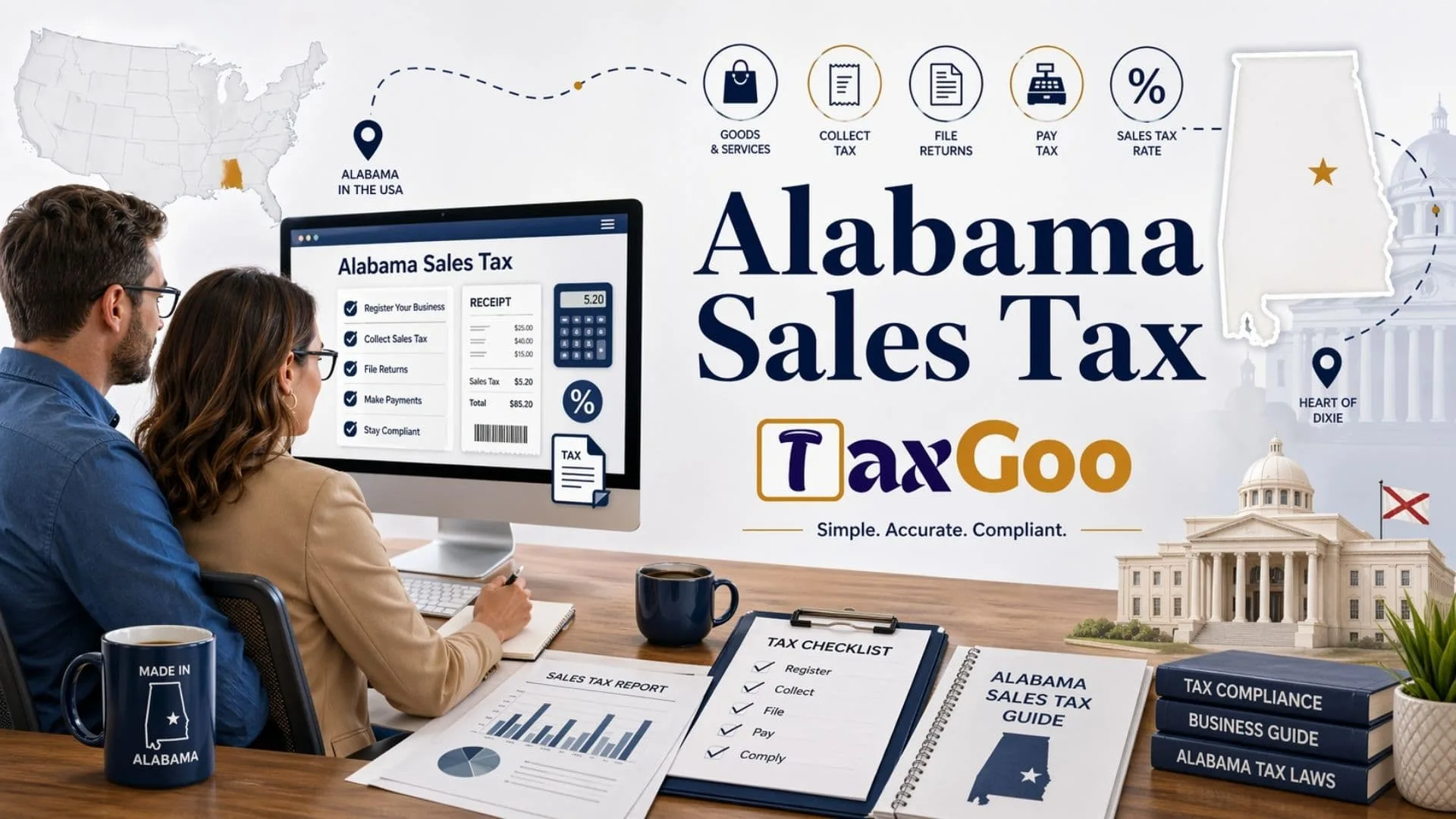
Alabama Sales Tax forms the backbone of the state’s revenue system, imposing a combined average rate of 9.29% that breaks down into a flat 4% state levy plus additional county and city taxes averaging 2.49% and 2.8% respectively. This structure applies to most tangible goods and select services sold within Alabama, with the state portion collected by sellers and remitted to the Alabama Department of Revenue quarterly or monthly based on your sales volume. Businesses must register for a sales tax license if they sell taxable items, and noncompliance can trigger audits or penalties up to 25% of unpaid amounts. Online sellers face streamlined rules under Wayfair, meaning economic nexus kicks in at $250,000 in annual Alabama sales regardless of physical presence. Remote sellers simply add the buyer’s zip code specific rate at checkout. Understanding these basics prevents surprises, especially since over 300 local jurisdictions tweak their add-ons, making a simple grocery run potentially hit 11% total tax in some spots.
How Alabama Sales Tax Rates Work
Alabama keeps the state rate steady at 4%, but local governments pile on their own assessments. Counties cap at 7.5%, cities at 5%, and a few areas like Tuscaloosa push combined totals near 11.5%. Use the official Alabama tax rate lookup tool by entering a zip code to get precise figures for any address.
Rates update sporadically through local ordinances, so check annually if your business spans multiple counties. Sellers collect the full combined rate but remit only the state share directly, forwarding local portions via the same return.

Who Must Collect Alabama Sales Tax
Any business with a physical storefront, employees, or inventory in Alabama owes sales tax on in-state sales. Out-of-state vendors hit economic nexus thresholds too, triggering collection duties. Marketplaces like Amazon handle it for their sellers under marketplace facilitator laws.
Even casual sellers qualify if they exceed de minimis limits, though hobbyists under $250,000 often fly under radar. Nonprofits snag exemptions with proper certificates.
Alabama Sales Tax Registration
Register online via My Alabama Taxes portal, a free process taking minutes. Gather your Federal EIN, business details, and estimated monthly sales. Approval arrives instantly for most, granting a license number valid statewide.
Renew every few years or after major changes like address shifts. Late registration piles on back taxes plus interest.
Common Exemptions And Zero-Rated Items
Groceries stay tax-free statewide, a nod to family budgets. Prescription drugs, prosthetics, and certain farm equipment dodge the levy too. Resale certificates let wholesalers skip tax on inventory bought for later sale.
Tourist rentals face lodging taxes beyond standard sales tax, often doubling effective rates in resort towns.
Filing Deadlines And Payment Options
Quarterly filers submit by the 20th of the month following quarter-end. Monthly reporters due the 20th next month. Electronic filing mandatory over $1,000 owed.
Overpayments credit forward, underpayments draw 10% penalties minimum. Use ACH debit for seamless payments tied to your account.
Nexus Rules For Remote Sellers
South Dakota v. Wayfair established economic nexus at $250,000 or 200 transactions yearly. Alabama mirrors this, ignoring physical ties entirely for remote collection obligations.
Drop-shipping complicates matters, with tax due based on the buyer’s location regardless of shipper origin.
Local Variations Across Major Cities
| City/County | State Rate | County Rate | City Rate | Total Rate |
|---|---|---|---|---|
| Birmingham (Jefferson) | 4% | 4% | 3% | 11% |
| Mobile (Mobile) | 4% | 4% | 3% | 11% |
| Huntsville (Madison) | 4% | 4.5% | 2% | 10.5% |
| Montgomery (Montgomery) | 4% | 4% | 3% | 11% |
| Tuscaloosa (Tuscaloosa) | 4% | 4.5% | 3% | 11.5% |
Urban areas consistently top 10%, rural spots dip under 9%. Always verify via zip lookup.
Recent Changes And 2026 Updates
Alabama phased in marketplace facilitator rules fully by 2025, shifting burden to platforms. No major rate hikes slated for 2026, but audit frequency rose post-pandemic. Streamlined sales tax discussions linger, though full adoption unlikely soon.
Business Tips For Compliance
Automate with POS systems like Square or Shopify, which calculate rates dynamically. Train staff on exemptions to avoid refunds. Audit internally quarterly against bank deposits.
Consult a CPA for multi-state ops, as Alabama shares data aggressively with neighbors.
In summary, mastering Alabama Sales Tax boils down to knowing your nexus, rates by zip, and filing rhythm. Stay registered, automate collections, and claim legit exemptions to keep operations smooth and penalty-free.
Frequently Asked Questions
What is the 2026 Alabama state sales tax rate?
The state rate stays at 4%, with locals adding 3-7.5% for totals around 9.29% average.
Do I pay sales tax on groceries in Alabama?
No, most unprepared food items remain exempt statewide.
How do out-of-state sellers register?
Apply free online at My Alabama Taxes with EIN and sales estimates; instant approval typical.
When are Alabama sales tax returns due?
Monthly by the 20th next month, quarterly by 20th post-quarter for most filers.