
This Arkansas Withholding Tax guide is your practical, employer-friendly roadmap to Arkansas payroll withholding, Arkansas state income tax deductions, employee withholding allowances, Arkansas employer registration, quarterly withholding returns, annual reconciliation, W-2 reporting, payment schedules, and compliance basics—without the jargon overload. If you run payroll in Arkansas (or you employ people who work in Arkansas), withholding is the process of taking the correct amount of Arkansas income tax out of each paycheck and sending it to the state on the required schedule, so employees aren’t stuck paying it all later. Think of it as “pay-as-you-go” state income tax: your business collects the funds through payroll and remits them, while documenting everything through periodic filings. This matters because withholding is one of the most common areas where small mistakes (wrong employee setup, wrong filing frequency, mismatched totals, forgotten “zero” returns) can snowball into notices, penalties, or time-consuming cleanups. In this article, you’ll learn who must withhold, how employees’ withholding choices affect payroll, how to calculate withholding for regular and supplemental wages, what gets filed quarterly and annually, how to fix errors, and how to create a simple workflow that keeps you compliant—without repeating the same steps every month like it’s a Groundhog Day spreadsheet.
What Arkansas Withholding Tax Means In Plain English
Arkansas withholding tax is the Arkansas state income tax employers deduct from employee wages and send to the state on the employee’s behalf. It typically applies to wages, salaries, tips reported through payroll, bonuses, commissions, and other taxable compensation paid to employees. It is different from unemployment insurance, sales tax, and federal payroll taxes: it’s specifically the employee’s Arkansas income tax collected through employer payroll.
For employees, this shows up as a state withholding line on pay stubs and later appears on their W-2. For employers, it becomes a routine cycle: collect via payroll, deposit payments on time, file required returns, and reconcile totals at year-end.

Who Needs To Register And Withhold In Arkansas
Most businesses that pay wages for work performed in Arkansas must withhold Arkansas income tax. This generally includes:
- Employers with a physical presence in Arkansas (office, store, facility, job site).
- Employers outside Arkansas who have employees physically working in Arkansas.
- New businesses hiring their first Arkansas-based employee.
- Certain nonprofits and organizations if they have employees (even if the organization itself is tax-exempt).
Workers who are truly independent contractors are usually not subject to wage withholding (they handle their own estimated taxes), but misclassifying employees as contractors is a common compliance risk—so confirm worker classification before you build payroll around it.
How To Set Up Arkansas Withholding The Right Way
A smooth setup is mostly about getting three things right from the start:
- Your employer registration for Arkansas withholding (so you have an account to file and pay under).
- Your payroll system configuration (so calculations match the state’s rules).
- Your employee onboarding paperwork (so each employee’s withholding is set correctly).
Once those are in place, most of your “work” becomes repeating a consistent monthly or quarterly routine and keeping clean records.
Employee Withholding Forms And Key Payroll Inputs
Arkansas withholding is driven by employee-provided withholding information (similar in concept to the federal W‑4), including filing status indicators and any additional amount the employee wants withheld.
Best practices for the employee setup step:
- Collect the employee’s completed withholding certificate during onboarding.
- Enter the selections into payroll exactly as stated.
- Store the signed form in your payroll records so you can support your calculations if questioned later.
- Update promptly when employees submit changes (marriage, divorce, additional job, new dependent, etc.).
If an employee claims they are exempt from withholding, treat that as a “needs attention” item: ensure the exemption claim is valid, document it carefully, and track expiration rules if applicable.

How Arkansas Withholding Is Calculated
Withholding is calculated based on the employee’s taxable wages for the pay period and the employee’s withholding selections in your payroll setup. Your payroll provider or software typically handles the math, but it’s still your responsibility to ensure the settings are correct and updated.
To avoid surprises:
- Confirm your payroll software is using the correct Arkansas withholding tables for the current year.
- Verify the pay frequency (weekly, biweekly, semi-monthly, monthly) matches your actual payroll schedule.
- Check whether pre-tax deductions (like certain benefits) reduce taxable wages for Arkansas purposes in your system configuration.
A simple internal control that works well: spot-check one employee per payroll (rotate through staff) to confirm the system’s Arkansas withholding looks reasonable given their wages and setup.
Handling Bonuses And Other Supplemental Wages
Supplemental wages—like bonuses, commissions, performance pay, and certain incentive payments—can create withholding confusion because they may be processed separately from regular payroll.
Practical ways to reduce errors:
- Decide whether supplemental pay will be run as its own check or combined with regular wages.
- Use a consistent method in payroll so reporting remains predictable.
- Keep notes in payroll records explaining how the supplemental amount was processed (especially if you frequently pay commissions).
When employees ask “why was the state tax higher on my bonus,” it’s often because the withholding method differs from regular wages or the combined wage amount pushes the calculated withholding higher for that period.
Payment Frequency, Deposits, And Staying On Schedule
Arkansas assigns deposit schedules based on how much withholding you generate. Some employers remit monthly, while higher-volume employers may be required to deposit more frequently.
A workflow that helps prevent missed payments:
- Add recurring calendar reminders for deposit due dates.
- Reconcile each deposit to payroll reports immediately after payroll runs (not weeks later).
- Separate responsibilities when possible: one person runs payroll, another verifies the payment amount and deadline.
If your withholding grows significantly (more employees, higher wages, acquisitions), re-check whether your deposit frequency needs to change so you don’t accidentally keep paying on an outdated schedule.
Quarterly Returns: What They Do And Why They Matter
Quarterly withholding returns reconcile what you withheld from paychecks versus what you remitted to the state during that quarter. Even when a quarter is “quiet,” employers are often still required to file a return (sometimes a zero return) to keep the account current.
To make quarterly filing painless:
- Keep a running quarterly tracker of gross wages, taxable wages (if different), and total Arkansas withholding.
- Match payroll register totals to deposits before you file.
- Investigate mismatches immediately (they tend to get harder to fix the longer you wait).
Year-End Reporting: W-2s And Annual Reconciliation
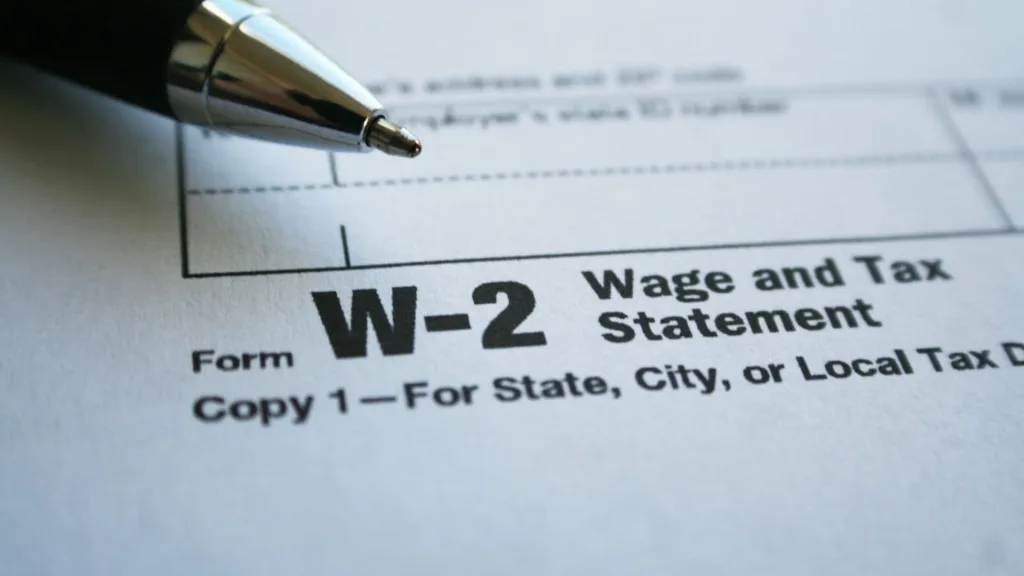
Year-end is where clean bookkeeping pays off. Employers must provide employees with accurate W‑2 forms showing Arkansas wages and Arkansas withholding, and they may also need to file an annual reconciliation that ties the year’s filings and payments together.
To avoid the classic year-end scramble:
- Verify employee names and Social Security numbers early (not in January).
- Run a “year-to-date withholding vs. deposits” check in the last payroll of the year.
- Confirm any third-party sick pay or fringe benefits were handled correctly if applicable.
Common Mistakes And How To Avoid Them
Here are frequent Arkansas withholding tax problems and how to dodge them:
- Wrong employee setup: Fix by requiring a review of withholding entries during onboarding.
- Missed deposit deadline: Fix by using automatic reminders and assigning a backup approver.
- Mismatched totals (payroll vs. return): Fix by reconciling each payroll period and keeping a quarterly tracker.
- Not filing when no wages were paid: Fix by confirming whether a zero return is required before skipping a quarter.
- Using outdated tax tables: Fix by ensuring your payroll software updates automatically and verifying annually.
Fixing Errors: Amendments And Corrections
If you discover an error—wrong withholding amount, incorrect wage totals, or a missed period—correct it quickly. Delays tend to increase penalties and make it harder to match what employees report on their personal returns.
A clean correction process usually looks like:
- Identify the affected pay periods and employees.
- Correct payroll records in your system (not just your spreadsheet).
- Adjust the next deposit if allowed, or submit a correction payment if you under-remitted.
- File an amended return if required so the state’s records match your corrected totals.
- Document what happened and how it was fixed (future-you will be grateful).

Recordkeeping Best Practices For Withholding Compliance
Good records are your best defense in case of notices or audits. Maintain:
- Employee withholding forms and update history.
- Payroll registers and tax reports.
- Proof of deposits and confirmations.
- Copies of quarterly and annual filings.
- W‑2 and reconciliation records.
Keep records organized by year and by filing period, so you can answer “what did we withhold and when did we pay it” without turning your office into a paper storm.
FAQs
What Is Arkansas Withholding Tax?
It’s the Arkansas state income tax employers deduct from employee paychecks and remit to the state.
Who Has To Withhold Arkansas Income Tax?
Generally, employers paying wages for work performed in Arkansas must withhold and remit state income tax.
Do I Still File If I Had No Payroll This Quarter?
Often yes—many employers must file a zero return to keep the account in good standing.
Why Does A Bonus Seem To Have Higher Withholding?
Supplemental pay can be withheld using a different method, and higher total pay in that period can increase the calculated amount.
If you want, tell me whether your audience is mainly Arkansas employers, employees, or payroll professionals—and whether you want a “beginner-friendly” or “technical/compliance-heavy” tone.