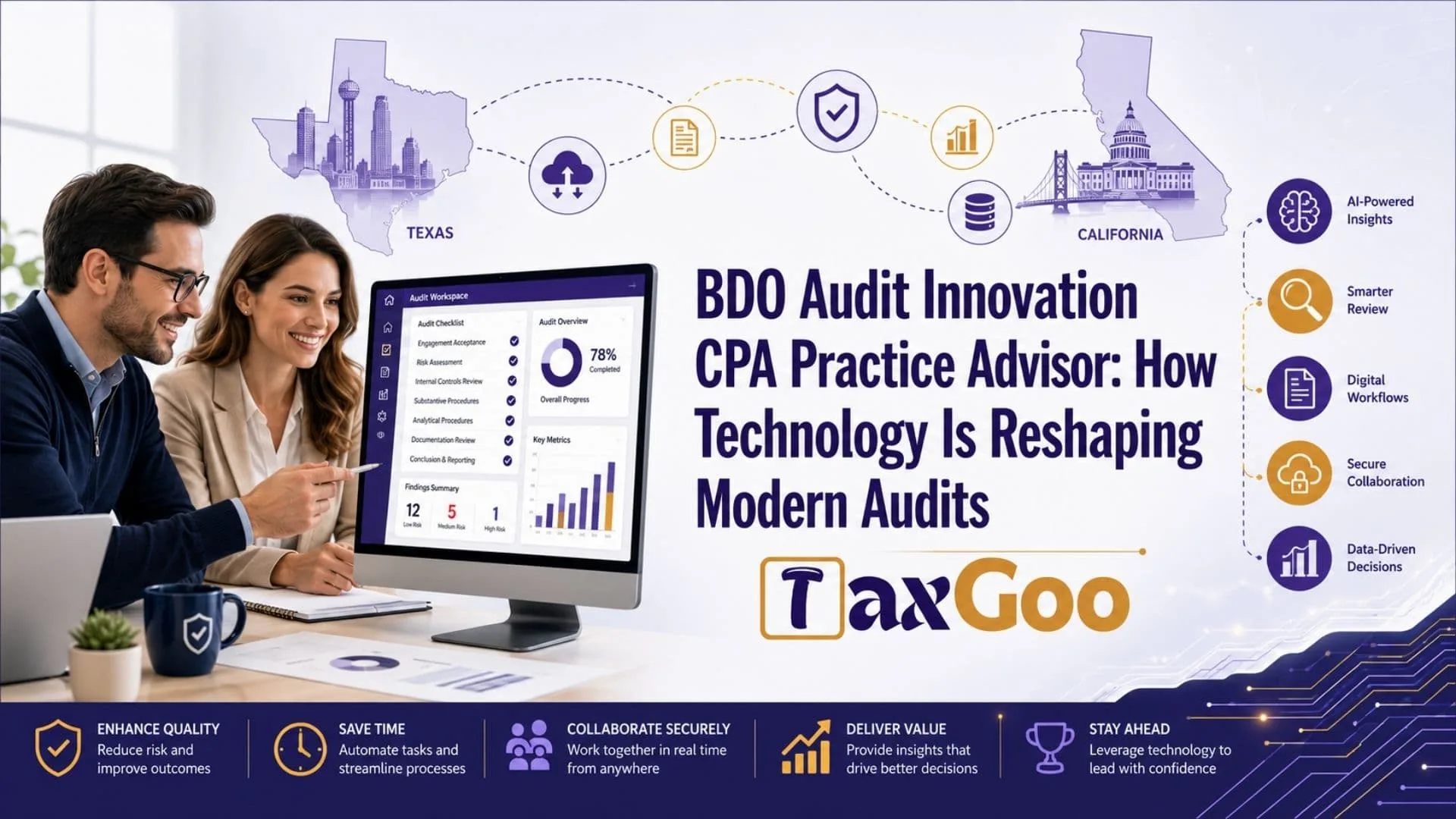
BDO Audit Innovation CPA Practice Advisor: How Technology Is Reshaping Modern Audits examines the growing relationship between advanced audit technology and experienced professional judgment, a combination that is quickly redefining how modern assurance engagements are planned, completed, and reviewed. Through its coverage of the BDO Audit Innovation Survey, CPA Practice Advisor has highlighted the rising importance of artificial intelligence in auditing, audit automation, financial data analytics, fraud detection technology, predictive analytics, cybersecurity risk analysis, digital audit tools, financial reporting accuracy, audit quality, risk assessment, professional skepticism, and auditor oversight. Finance leaders no longer view technology as a shiny optional extra that sits quietly in the background. They increasingly expect external audit firms to use intelligent systems that can process large volumes of financial data, identify unusual transactions, improve collaboration, reduce manual work, and help auditors concentrate on areas with a greater risk of material misstatement. BDO’s audit innovation strategy reflects that shift by combining automation, centralized document management, advanced analytics, secure digital platforms, and trained audit professionals. The result is not an audit completed by machines with accountants watching from the sidelines. It is a technology-enabled process in which auditors use better information, sharper risk signals, and more efficient workflows to make informed decisions. CPA Practice Advisor’s reporting also makes one point especially clear: the more powerful audit technology becomes, the more important human judgment, accountability, data interpretation, governance, and professional curiosity become.
What Does BDO Audit Innovation Mean?
BDO audit innovation refers to the firm’s effort to improve audit quality and the client experience through technology, data, updated methodologies, and professional development. Instead of relying heavily on manual sampling, disconnected spreadsheets, repeated email requests, and time-consuming administrative work, an innovative audit uses digital systems to organize information and direct attention toward meaningful risks.
This approach can include automated calculations, data extraction, workflow management, transaction analysis, document tracking, customizable notifications, and collaboration tools. These capabilities allow audit teams to spend less time chasing files or completing repetitive steps and more time understanding the business, questioning unusual results, and evaluating important financial reporting judgments.
Innovation does not mean changing the purpose of an audit. The auditor still seeks sufficient appropriate evidence, evaluates whether financial statements are materially accurate, and remains independent of the organization being audited. Technology changes how efficiently evidence can be gathered, organized, tested, and interpreted.
Why CPA Practice Advisor’s Coverage Matters
CPA Practice Advisor serves accounting professionals who want to understand the tools, strategies, regulations, and business developments affecting their firms. Its reporting on BDO’s Audit Innovation Surveys gives readers a useful view of what corporate finance leaders expect from external auditors.
The coverage is valuable because it looks beyond the technology vendors and technical features. It shows how clients perceive technology, whether they trust technology-enabled firms, and which audit improvements matter most to the organizations purchasing assurance services.
For CPA firms, this information can influence technology investments, employee training, client communication, service design, and recruiting. For finance leaders, it provides a benchmark for comparing their current audit experience with broader market expectations.
The story is no longer simply that accounting firms are buying new software. The bigger story is that clients are beginning to judge audit firms partly by how effectively they apply technology.
What The BDO Audit Innovation Surveys Reveal
BDO launched its inaugural Audit Innovation Survey in 2024, gathering responses from 200 senior finance leaders at private and publicly held companies in the United States. The organizations represented in the research had annual revenues ranging from $250 million to $3 billion.
The survey found strong interest in audit firms that could apply advanced technology. Before selecting an auditor, 64 percent of responding finance leaders said they looked for a firm that used artificial intelligence. The ability to use new technology was also reported as a slightly more influential selection factor than industry knowledge.
BDO’s second annual survey, published in 2025, included 210 finance leaders. It suggested that advanced audit technology had moved beyond cautious experimentation and was becoming a more established part of finance and audit operations.
The findings showed that 81 percent of finance leaders had greater trust in audit firms that invested in and actively used advanced technology. An even larger 97 percent said they were willing to pay more for an audit supported by advanced technology.
These numbers suggest that audit technology has become more than an internal productivity tool. It can now influence confidence, purchasing decisions, perceived value, and the competitive position of an accounting firm.
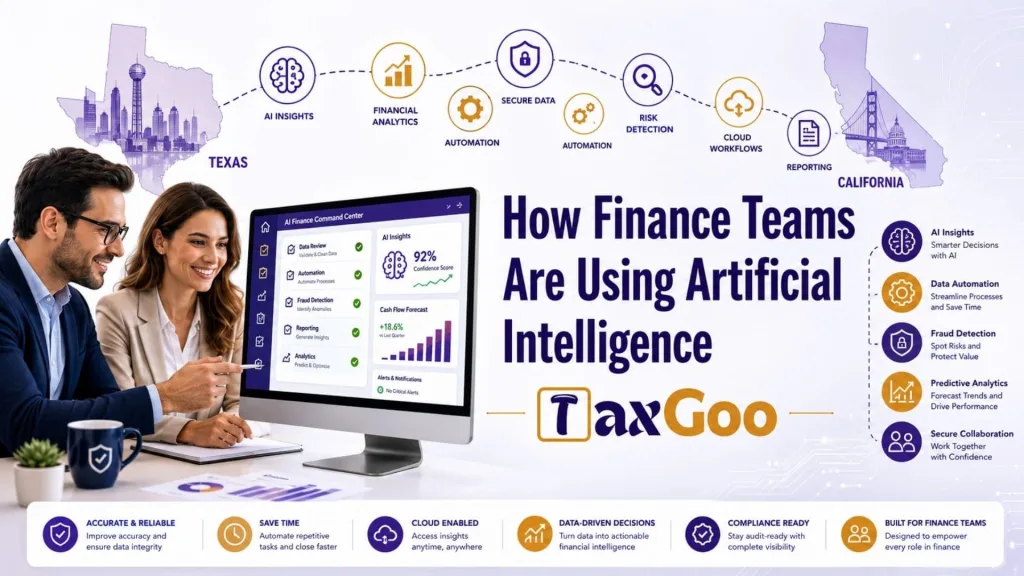
How Finance Teams Are Using Artificial Intelligence
Artificial intelligence can support several stages of the finance and audit process, but its value depends on the problem it is being used to solve.
According to the 2025 survey coverage, finance leaders reported using AI for several practical applications:
- 61 percent used it for data management and transformation.
- 54 percent used it for risk detection and management.
- 50 percent used it for automated data entry.
- 45 percent used it for fraud detection.
- 43 percent used it for predictive trend analytics.
These activities can reduce the effort required to organize information and help finance teams identify patterns that might otherwise remain hidden. A system may be able to scan thousands of entries, highlight transactions with unusual characteristics, or compare current activity with historical patterns.
The auditor must still investigate the results. An unusual item may represent fraud, an accounting mistake, a legitimate business event, or a weakness in the system’s assumptions. AI provides a signal, not a final professional conclusion.
The Role Of Data Analytics In Modern Auditing
Traditional audit procedures often rely on samples selected from a larger population. Sampling remains useful, but modern data analytics can give auditors a broader view of the organization’s transactions.
Analytics tools can help auditors examine entire datasets, identify outliers, compare business units, analyze journal entries, and locate unexpected relationships. This can support a more focused risk assessment because the team has better visibility into where inconsistencies may exist.
For example, an auditor may use analytics to identify:
- Transactions posted at unusual times
- Payments just below approval limits
- Duplicate invoices or vendor records
- Revenue activity that does not follow expected patterns
- Journal entries created by unexpected users
- Sudden changes in account balances
- Transactions involving new or inactive vendors
The presence of one of these indicators does not automatically prove a problem. It gives the auditor a reason to ask additional questions and gather more evidence.
That targeted approach can make an audit more precise. Instead of spending equal effort across every area, the team can concentrate on accounts, processes, and transactions that present greater risk.
How Automation Improves The Audit Workflow
A surprising amount of audit time can be consumed by repetitive tasks. Teams may need to request documents, track responses, copy information between systems, update status files, recalculate figures, and confirm whether required procedures have been completed.
Automation can reduce this administrative burden. A digital workflow may send reminders, update task statuses, organize documents, perform routine calculations, and direct information to the appropriate team member.
This does not remove the need for review. It reduces the time professionals spend on work that does not require complex judgment.
When routine processes move more smoothly, audit professionals can devote additional attention to financial reporting estimates, internal controls, unusual transactions, management assumptions, and industry-specific risks. Clients may also benefit from fewer duplicate requests and greater visibility into what remains outstanding.
BDO ADVANTAGE And The Digital Audit Experience
BDO identifies BDO ADVANTAGE as its digital audit suite. The platform is designed to improve the client experience, support audit quality, and help teams produce more precise insights throughout an engagement.
Its capabilities include automation, analytics, data integration, centralized document management, project management, and customizable notifications. Together, these features can create a more connected audit process.
Centralized document management is particularly important because audit information often arrives from multiple departments. When files are scattered across inboxes, shared drives, and local folders, version control and status tracking become difficult. A central environment can make it easier for both the client and the audit team to understand which documents have been submitted, reviewed, replaced, or approved.
BDO also emphasizes cognitive technology for extracting and integrating client data. Properly implemented, this can reduce manual preparation and allow professionals to work with organized information earlier in the engagement.
The larger goal is not simply to complete the same audit on a faster computer. It is to create a clearer, more collaborative, and more risk-focused experience.
Why Human Judgment Remains Essential
Technology can identify patterns, but it does not automatically understand the full business context behind those patterns.
An algorithm may flag a transaction because it differs from historical activity. An experienced auditor may discover that it resulted from a new acquisition, a change in the supply chain, a revised customer contract, or an unusual but legitimate business event.
Professional judgment is needed to evaluate accounting estimates, management bias, evidence quality, internal control deficiencies, complex agreements, and contradictory explanations. It is also necessary when deciding whether additional procedures should be performed.
Professional skepticism is equally important. Auditors must maintain a questioning mindset rather than accepting a system’s output without investigation. They should understand where the data came from, whether it is complete, how the model works, and what limitations may affect the results.
Technology can make auditors more informed. It cannot take responsibility for the audit opinion.
Trust Depends On Technology And Governance
BDO’s survey findings suggest that finance leaders increasingly trust firms that invest in technology. However, trust is not created by using AI alone.
Organizations want to know that the tools are secure, properly tested, consistently monitored, and used by trained professionals. They also want clarity about how confidential information is handled.
Strong governance may include:
- Defined responsibilities for approving and monitoring AI tools
- Access controls that limit who can use sensitive information
- Testing procedures for accuracy and reliability
- Documentation of important automated decisions
- Human review of significant outputs
- Data retention and privacy policies
- Training on acceptable and prohibited uses
- Processes for reporting errors or unexpected behavior
Without these protections, a fast system can produce unreliable work at a faster rate. Responsible innovation therefore requires investment in both technology and controls.
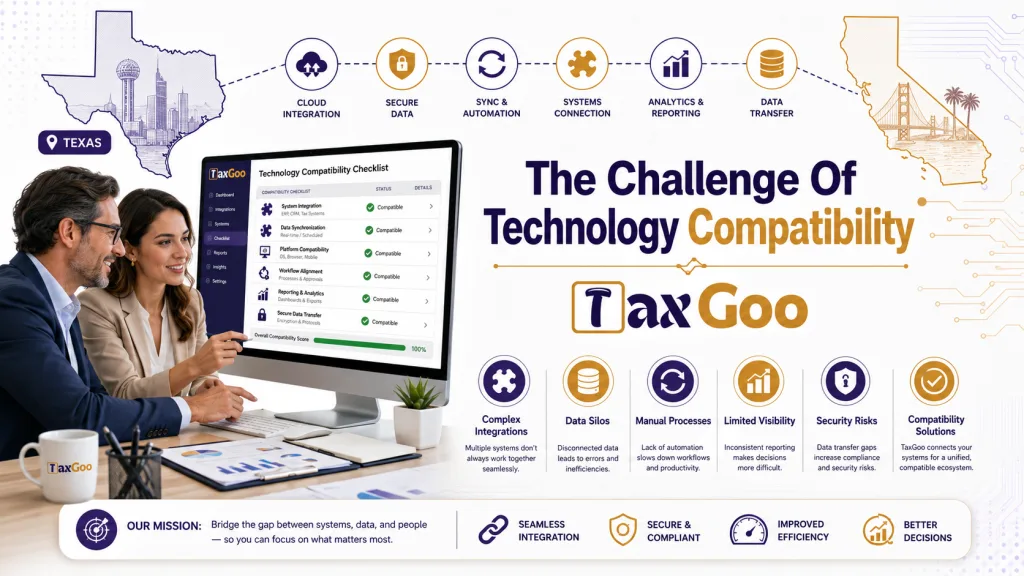
The Challenge Of Technology Compatibility
One of the most interesting BDO findings is that technology compatibility continues to create difficulties. In the 2025 research, 72 percent of respondents reported compatibility issues involving their organization’s technology and the systems used by the audit firm.
This challenge is understandable. Finance teams may use different enterprise resource planning platforms, data structures, customized applications, cloud services, and reporting systems. Some businesses also operate older technology that was not designed for easy integration.
Compatibility problems can lead to file conversion issues, incomplete data transfers, inconsistent formats, delayed access, and additional manual work. They may also create security concerns when sensitive information must move between systems.
Audit firms can address these problems by planning data requirements early, testing connections before fieldwork begins, defining accepted formats, involving technology specialists, and creating secure alternatives when direct integration is not possible.
Innovation works best when the technology fits the client’s actual environment.
What Finance Leaders Now Expect From Audit Firms
Finance leaders appear to expect auditors to understand technology at two levels. First, auditors should use modern tools within the engagement. Second, they should understand the systems and technology risks affecting the client’s business.
This means an audit team may need to evaluate automated controls, user access, system changes, data interfaces, cybersecurity risks, and the reliability of information produced by financial applications.
Clients also expect a smoother engagement. They want clear requests, fewer repeated questions, accessible status updates, organized communication, and less disruption to their finance departments.
In the 2025 survey, 63 percent of finance leaders said using technology in the audit led to more efficient processes and collaboration. That represented an 11-point increase from the previous year.
This finding suggests that the quality of the audit experience has become part of how clients measure value. Accuracy remains essential, but so do organization, transparency, responsiveness, and efficient use of the client’s time.
What Audit Innovation Means For CPA Firms
For CPA firms, audit innovation can create opportunities while also increasing pressure.
Large firms may have the resources to develop proprietary platforms and specialized analytics. Smaller firms may rely more heavily on commercial cloud applications, automation tools, and carefully selected technology partners. The size of the investment may differ, but the need for a clear technology strategy applies across the profession.
Firms should avoid purchasing tools simply because they are popular. A successful investment should solve a defined problem, fit the firm’s methodology, protect client information, and produce measurable improvements.
Before adopting a system, firm leaders can ask:
- Which audit problem are we trying to solve?
- Will the tool improve quality or only reduce time?
- Can it work with our clients’ systems?
- How will outputs be reviewed?
- What training will employees require?
- How will confidential data be protected?
- How will we measure the tool’s performance?
- What happens when the system produces an error?
The strongest technology program is usually connected to audit quality, client needs, risk management, and employee development.
New Skills Auditors Will Need
As audit work becomes more digital, accounting knowledge remains fundamental. However, professionals will also benefit from broader technical and analytical abilities.
Auditors may need to understand data structures, automated controls, AI limitations, visualization tools, cybersecurity risks, system integrations, and model governance. They must also be able to explain technical findings in plain language.
Communication skills will become even more valuable. A tool may highlight a complex pattern, but the auditor must discuss it with management, determine its significance, document the conclusion, and explain the issue to an audit committee when necessary.
Curiosity will also separate effective auditors from passive technology users. Professionals should ask why a pattern occurred, what information might be missing, whether management’s explanation is consistent with other evidence, and how a system’s design may influence its output.
The future auditor is not less human. The future auditor is a well-trained professional who knows how to combine technical tools with judgment, skepticism, ethics, and business understanding.
Benefits For Businesses And Finance Teams
Organizations can benefit when their auditors use technology effectively.
A well-designed digital audit may provide:
- Faster organization of requested information
- Clearer communication and task tracking
- More focused questions from the audit team
- Better identification of unusual transactions
- Reduced manual data preparation
- Earlier detection of control weaknesses
- Broader analysis of transaction populations
- More useful observations about financial processes
These benefits can reduce disruption and help finance teams address problems before they grow.
However, companies also have responsibilities. They need reliable data, appropriate access controls, documented processes, and employees who understand how their systems work. Even the most advanced audit platform cannot fully compensate for incomplete records or weak internal controls.
Audit innovation therefore works best as a collaborative effort between the auditor and the organization.
Could AI Replace External Auditors?
AI is unlikely to replace the complete role of an external auditor because an audit involves more than processing information.
Auditors must evaluate evidence, understand context, communicate with management, identify contradictory information, assess estimates, consider the risk of management override, and form an independent opinion. These activities require responsibility and judgment.
AI may replace or reduce certain tasks. Routine data entry, file matching, basic reconciliations, document classification, and some forms of transaction analysis can be automated.
That shift could make entry-level audit work different from what it was in the past. New professionals may spend less time manually checking documents and more time interpreting exceptions, learning systems, understanding controls, and investigating risk indicators.
The profession will still need people. It will need people who can use technology responsibly and recognize when technology is wrong.
The Future Of Audit Innovation
The next stage of audit innovation will likely involve more connected platforms, continuous risk monitoring, stronger predictive analytics, improved document processing, and more specialized AI tools.
Audit teams may receive risk signals earlier, allowing them to adjust procedures before the busiest part of the engagement. Finance teams may also gain better visibility into requests, progress, findings, and unresolved matters.
As the tools develop, regulators and firm leaders will place greater attention on explainability, data security, model reliability, independence, and documentation. The question will not simply be whether a firm uses AI. The more useful question will be whether the firm uses it safely, consistently, and effectively.
Client expectations will continue to influence this development. Firms that combine capable technology with strong relationships and dependable professional judgment may be better positioned to earn trust.
Frequently Asked Questions
What Is BDO Audit Innovation?
BDO audit innovation is the firm’s use of automation, analytics, digital platforms, and trained professionals to improve audit quality and collaboration.
What Did CPA Practice Advisor Report?
It reported that finance leaders increasingly expect audit firms to use advanced technology while maintaining strong human oversight and professional judgment.
What Is BDO ADVANTAGE?
BDO ADVANTAGE is BDO’s digital audit suite, designed to support automation, data analysis, document management, collaboration, and audit quality.
Does BDO Use AI In Audits?
BDO uses and evaluates advanced technologies, including AI-supported tools, analytics, automation, and risk assessment capabilities across its operations.
Can AI Replace An Auditor?
No. AI can automate tasks and identify patterns, but auditors are still responsible for evaluating evidence, applying skepticism, and forming independent conclusions.
Why Is Data Analytics Important In Auditing?
Data analytics helps auditors examine larger transaction populations, find unusual activity, and focus procedures on areas with greater financial reporting risk.
What Is The Biggest Risk Of Audit Technology?
Major risks include inaccurate outputs, weak governance, cybersecurity concerns, incomplete data, system incompatibility, and excessive reliance on automated results.
How Does Audit Innovation Help Clients?
It can reduce repetitive requests, improve communication, identify risk earlier, organize data more efficiently, and create a smoother audit experience.