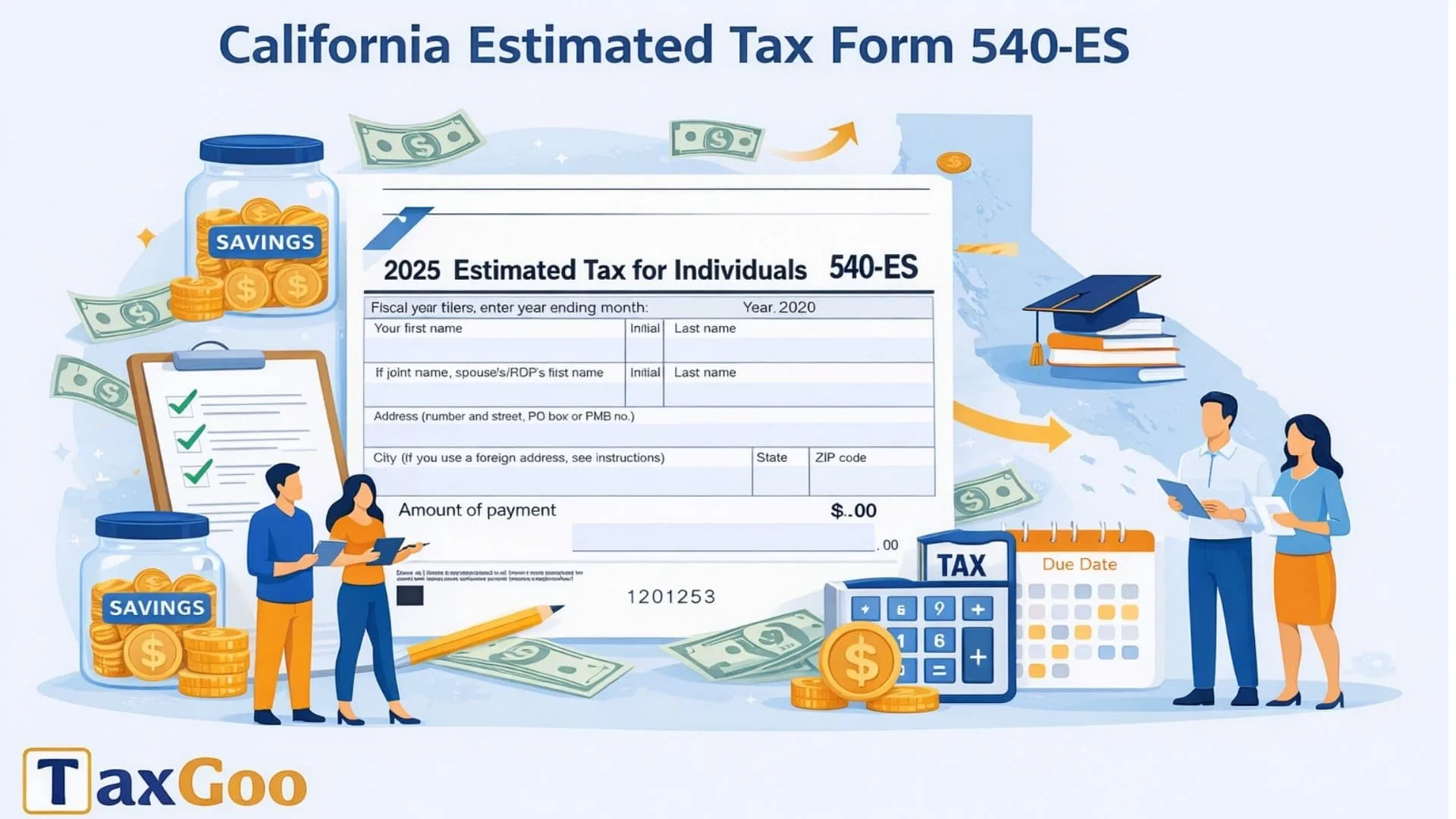
If you’re a California taxpayer with income that isn’t subject to withholding, you likely need to make estimated tax payments. Enter California Estimated Tax Form 540-ES, the form designed to help you meet your state’s tax obligations before you file your annual return. In this guide, we’ll walk you through everything you need to know about this form, how to fill it out, and why it’s essential for avoiding penalties. Whether you’re self-employed, earning rental income, or receiving investment returns, making accurate estimated payments can save you time and money down the line.
The California Estimated Tax Form 540-ES is crucial for those who do not have taxes automatically withheld from their income. By filing this form and making timely payments, you ensure you won’t face a big surprise when it’s time to file your taxes. California’s state income tax is based on a progressive system, and estimated payments are required to keep you compliant with the law. Here’s what you need to know to successfully navigate the process.
What is California Estimated Tax Form 540-ES?
California Estimated Tax Form 540-ES is a tax document used by self-employed individuals, business owners, and others with income not subject to automatic tax withholding. It’s a way to pre-pay your state income tax in quarterly installments. This is important because California’s tax system requires that you pay your taxes as you earn the income, unlike the federal government, which taxes you at the end of the year.
The form breaks down your estimated taxable income and guides you in calculating your quarterly tax payments. Failing to file or pay correctly can result in penalties and interest, so it’s essential to get it right. While it may seem complicated at first, once you understand the form’s layout and requirements, the process becomes much easier.
How to Fill Out California Estimated Tax Form 540-ES
To complete the California Estimated Tax Form 540-ES, follow these steps:
- Download the Form: Visit the California Franchise Tax Board (FTB) website to access the most current version of Form 540-ES.
- Fill in Your Personal Information: Provide basic details like your name, address, and Social Security Number (SSN) or Individual Taxpayer Identification Number (ITIN).
- Estimate Your Taxable Income: In this section, you’ll calculate your anticipated income for the year, including self-employment income, interest, dividends, and other taxable sources.
- Determine Your Estimated Tax: Based on your income estimate, the form will guide you in calculating the amount of tax you owe. The California Tax Rate Schedule is used here, and it’s essential to ensure you’re using the correct tax brackets.
- Calculate Your Payments: Divide your total estimated tax by four to determine how much to pay each quarter. You’ll pay these amounts every quarter until your total tax liability is covered.
- Submit the Form: Pay using the FTB’s online payment system or mail the form to the appropriate address. Be sure to keep records of your payments for tax filing purposes.
Important Deadlines for Filing and Paying
California’s tax system operates on quarterly payments, and each quarter has its own deadline. For the current year, here are the important dates to remember:
- April 15: Payment for the first quarter (January 1 – March 31)
- June 15: Payment for the second quarter (April 1 – May 31)
- September 15: Payment for the third quarter (June 1 – August 31)
- January 15 (next year): Payment for the fourth quarter (September 1 – December 31)
Missing these deadlines can result in penalties, so it’s crucial to make your payments on time. You can avoid this by setting reminders and paying online, where possible.
Common Mistakes When Using California Estimated Tax Form 540-ES
Filing California Estimated Tax Form 540-ES correctly is essential to avoid penalties. However, many taxpayers make common errors. Here are a few mistakes to watch out for:
- Incorrect Income Estimates: Underestimating your income can lead to smaller payments and result in penalties when you file your return. Be as accurate as possible when estimating.
- Missing Quarterly Payments: Not submitting a payment or paying late can incur fines. It’s essential to pay by the deadlines.
- Improper Use of Deductions and Credits: Be sure to factor in any applicable deductions or credits that may lower your taxable income. This will affect your estimated tax liability.
- Not Adjusting for Life Changes: If you experience significant changes in your income during the year (such as a raise or starting a new business), make sure to adjust your estimated payments accordingly.
Why It’s Important to Make Estimated Tax Payments
Making estimated tax payments is critical because it helps you avoid a large tax bill at the end of the year. For self-employed individuals and those with irregular income, the IRS and the California FTB expect you to pay taxes throughout the year. Failing to do so may result in penalties, interest, or audits.
Another reason to pay estimated taxes is to keep your financial situation in check. Paying taxes throughout the year reduces the likelihood of having to pay a large lump sum at the end of the year.
Conclusion: Making California Estimated Tax Payments Simple
By following these steps and tips, filing your California Estimated Tax Form 540-ES becomes a manageable task. Stay on top of your quarterly payments to avoid penalties and keep your finances in order. If you have any doubts or face challenges, it’s a good idea to consult with a tax professional for help. Being proactive about estimated taxes is one of the best ways to ensure your business or freelance income remains on track throughout the year.

FAQs:
1. Who needs to file California Estimated Tax Form 540-ES?
Anyone who is self-employed, earns income that isn’t subject to withholding, or has income from sources such as rental or investment income needs to file California Estimated Tax Form 540-ES.
2. What happens if I miss a payment?
If you miss a payment for California Estimated Tax Form 540-ES, you may face penalties and interest charges. Make sure to pay on time to avoid additional costs.