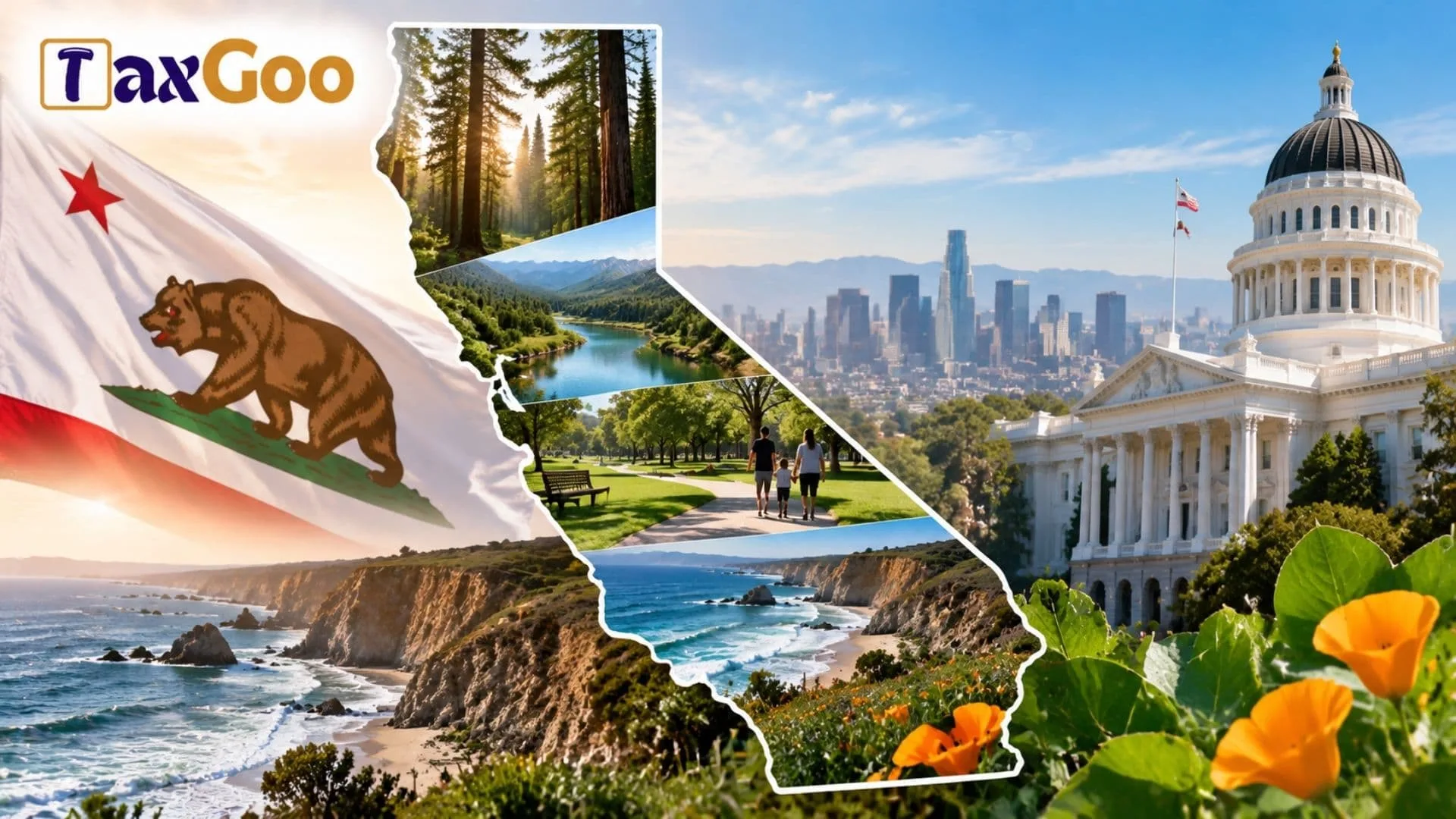
California Proposition 40, also known as the California Clean Water, Clean Air, Safe Neighborhood Parks, and Coastal Protection Act of 2002, was a statewide ballot measure that focused on funding environmental protection and public recreation projects. The California Proposition 40 bond measure appeared on the March 2002 statewide ballot and asked voters to authorize billions of dollars in general obligation bonds for projects related to clean water, clean air, neighborhood parks, coastal protection, wildlife areas, and natural resource conservation. Understanding California Prop 40, Proposition 40 California 2002, and the impact of this environmental bond initiative helps explain how California has used voter-approved bonds to support public infrastructure and conservation programs. The measure was designed to provide funding for state and local projects that improved parks, protected natural areas, restored environmental resources, and expanded recreational opportunities. Proposition 40 was approved by California voters and became one of several major environmental bond measures used by the state to finance long-term projects. This article explains what California Proposition 40 was, what it funded, how the bond program worked, and why it is important in California’s environmental funding history.
What Was California Proposition 40?
California Proposition 40 was a voter-approved bond measure placed on the March 5, 2002 ballot. The official title was the California Clean Water, Clean Air, Safe Neighborhood Parks, and Coastal Protection Act of 2002. The measure authorized the state to issue general obligation bonds to support environmental and recreation-related programs.
Unlike a traditional tax measure, Proposition 40 focused on borrowing through state bonds. The state would repay the bonds over time through the state budget. The funds were intended to support projects throughout California, including local parks, water quality improvements, habitat protection, and coastal programs.
How Much Funding Did Proposition 40 Provide?
Proposition 40 authorized approximately $2.6 billion in general obligation bonds for environmental and park-related projects. The funding was divided among different programs supporting natural resources, recreation, and environmental improvement efforts.
The bond funding supported areas such as:
- Local and neighborhood parks
- Clean water programs
- Coastal protection projects
- Wildlife habitat preservation
- Open space improvements
- Environmental restoration projects
The goal was to provide financial support for projects that benefited communities while protecting California’s natural resources.
Main Goals Of California Proposition 40
The proposition focused on several major environmental priorities.
Clean Water Protection
One major purpose of Proposition 40 was improving water quality. Funding supported projects designed to protect water resources, reduce pollution, and improve environmental conditions in communities across California.
Water-related programs are especially important in California because the state faces ongoing challenges involving drought, water supply, and ecosystem protection.
Clean Air Programs
The measure also included support for environmental programs connected to clean air and healthier communities. These efforts aimed to improve natural environments and support projects that protect public resources.
Safe Neighborhood Parks
A significant part of Proposition 40 focused on parks and recreation. Funding helped create, improve, and maintain neighborhood parks and outdoor spaces.
Supporters of the measure highlighted the importance of providing accessible parks, especially in communities that needed additional recreational areas.
Coastal And Natural Resource Protection
California has thousands of miles of coastline and many unique ecosystems. Proposition 40 provided funding for coastal protection and conservation efforts designed to preserve natural areas.
How Did Proposition 40 Work?
Proposition 40 was funded through general obligation bonds. When voters approve these types of bonds, the state can borrow money for approved projects and repay the debt over time.
Government agencies and local organizations could receive funding through grant programs connected to the bond. Projects were reviewed based on program requirements and funding priorities.
The bond approach allowed California to invest in large environmental projects without paying the entire cost immediately from annual budgets.

Impact Of Proposition 40
After approval, Proposition 40 funds supported thousands of projects across California. These included improvements to parks, restoration of natural areas, and investments in environmental infrastructure.
The measure became part of California’s broader approach of using voter-approved bonds to support conservation and public spaces. Other environmental bond measures followed in later years, continuing similar efforts related to parks, water, and natural resources.
Examples of projects supported through these types of programs include:
- Community park improvements
- Trail development
- Habitat restoration
- Open space preservation
- Environmental education facilities
Support And Discussion Around Proposition 40
Supporters of Proposition 40 argued that the measure would provide important funding for environmental protection and public recreation. They emphasized the need for investment in parks, clean water, and conservation projects.
Discussions around bond measures often include questions about state borrowing, repayment costs, and long-term budget impacts. Evaluating a bond measure usually involves considering both the benefits of funded projects and the financial obligations created by borrowing.
California Proposition 40 Compared With Later Measures
California has continued using environmental bond measures after Proposition 40. Later propositions addressed similar topics, including water infrastructure, parks, climate resilience, and natural resource protection. For example, Proposition 68 in 2018 focused on parks, natural resources, water, and climate-related projects.
These measures show California’s continued use of voter-approved bonds as a tool for funding environmental programs.
Final Thoughts
California Proposition 40 was an important environmental bond measure approved by voters in 2002. The proposition provided funding for clean water, clean air, safe neighborhood parks, coastal protection, and natural resource projects throughout California.
Understanding California Prop 40, its goals, and its funding structure provides insight into how the state has used public financing to support environmental conservation and community improvement projects. The measure remains part of California’s history of voter-approved investments in parks and environmental protection.
Frequently Asked Questions
What Was California Proposition 40?
California Proposition 40 was a 2002 ballot measure that funded clean water, clean air, parks, coastal protection, and environmental projects.
Did California Proposition 40 Pass?
Yes. California voters approved Proposition 40 in the March 2002 election.
How Was Proposition 40 Funded?
The measure was funded through general obligation bonds issued by the state.
What Did Proposition 40 Pay For?
The funds supported parks, environmental restoration, water programs, coastal protection, and natural resource projects.