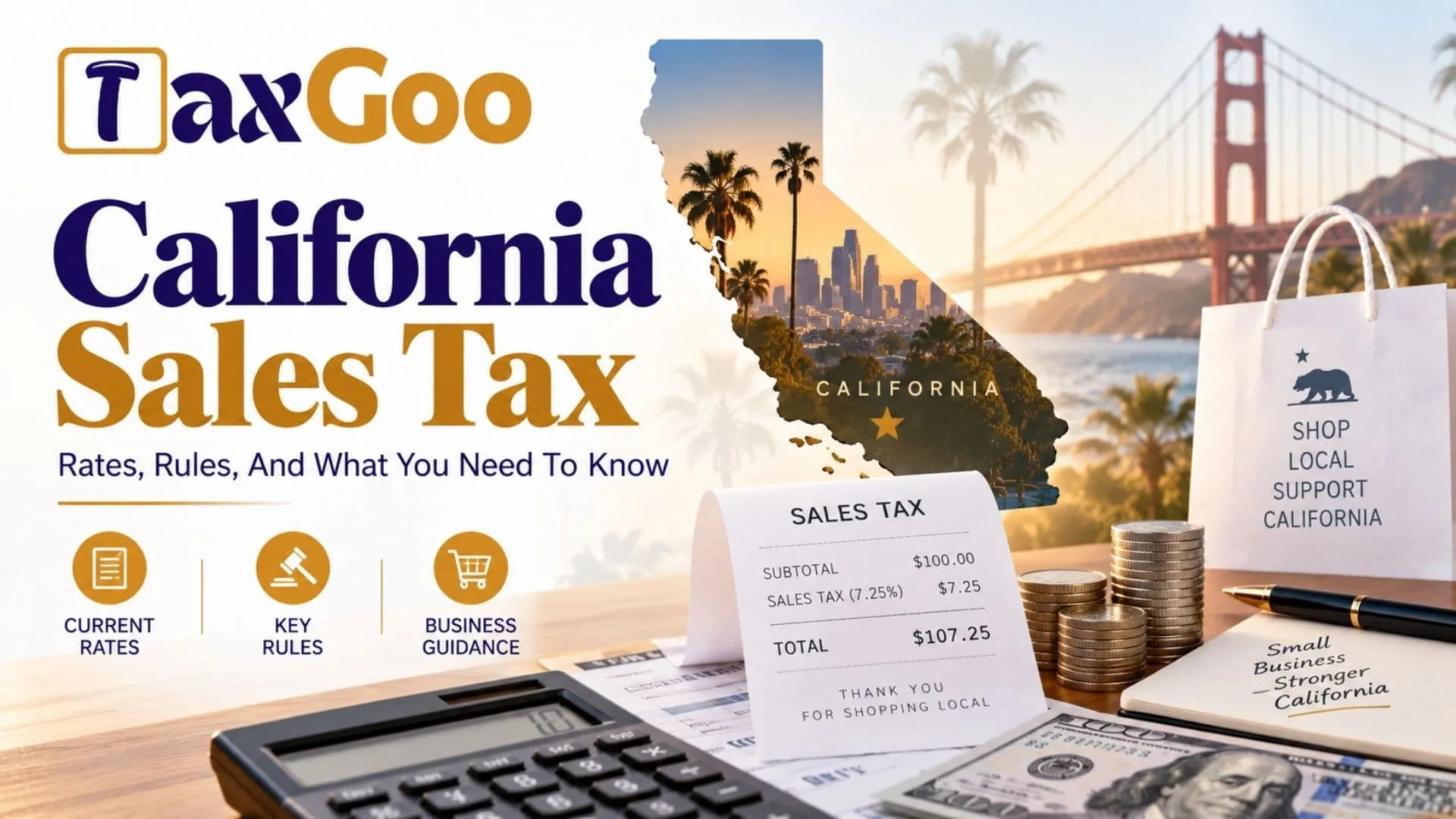
California Sales Tax: Rates, Rules, And What You Need To Know is a practical guide to the California sales tax rate, California sales and use tax, local sales tax, district taxes, taxable purchases, exemptions, seller’s permits, online sales, and the California Department of Tax and Fee Administration, or CDTFA. California does not use one checkout rate everywhere. The statewide sales and use tax rate is 7.25%, but cities, counties, and other local jurisdictions can add district taxes, so the total rate may change from one address to another. As of September 16, 2026, the CDTFA lists current rates effective July 1, 2026, with additional rate changes scheduled for October 1, 2026. For consumers, the basic lesson is easy: the sticker price may not be the final price. For sellers, collecting and reporting the correct amount can depend on where a sale occurs and where the buyer receives the merchandise.
How Much Is California Sales Tax?
California’s statewide sales and use tax rate is 7.25%. Local district taxes can increase the total rate, and the CDTFA says individual district tax rates generally range from 0.10% to 2.00%. More than one district tax may apply in the same area.
The CDTFA’s rate table effective July 1, 2026 lists Alameda at 10.750%, while some locations remain at the 7.25% statewide rate. For an exact figure, the CDTFA recommends checking the rate by address.
What Purchases Are Taxable?
Retail sales of tangible personal property in California are generally taxable unless a specific exemption or exclusion applies. Common examples include clothing, furniture, toys, giftware, and many other physical products. Some labor charges are also taxable when the work creates or fabricates tangible personal property.
Many food products for human consumption are generally exempt, although exceptions can apply to certain hot prepared foods and meals. Prescription medicines that meet California’s requirements are also generally nontaxable, while over-the-counter medicines are usually taxable. Repair and installation labor is commonly nontaxable when separately stated, while fabrication labor is generally taxable.
What Is California Use Tax?
Use tax usually applies when taxable merchandise is purchased for use, storage, or consumption in California and California sales tax was not collected by the seller. One common example is a purchase from an out-of-state retailer that does not collect California tax. Sales tax and use tax use the same rate, and generally only one applies to a transaction.
Buying an item from outside California does not automatically make the purchase tax-free. In some situations, the buyer may need to report and pay the use tax directly.
How Do Local District Taxes Work?
District taxes are local transactions and use taxes imposed by cities, counties, and other jurisdictions. They are added to the statewide rate and can depend on the place of sale, delivery location, and where property is first used. That is why two customers purchasing the same item may see different total rates when their delivery addresses are in different districts.
Businesses with more than $500,000 in combined sales of tangible personal property for delivery in California during the current or preceding calendar year can have additional registration and tax collection obligations.
Do Businesses Need A Seller’s Permit?
Businesses that sell or lease tangible personal property in California that would ordinarily be taxable at retail generally need a seller’s permit. The permit supports reporting taxable sales and issuing resale certificates when appropriate.
Online sales are not automatically exempt. Marketplace facilitators may be responsible for collecting and remitting tax on facilitated sales, while sellers making direct sales can have their own registration and collection responsibilities.
How To Check The Correct Rate
The most reliable way to verify a California sales tax rate is to use the CDTFA’s current address lookup. Rates can change as new local district taxes take effect or existing taxes expire. Checking the destination address is especially useful for e-commerce stores and businesses serving customers in multiple California jurisdictions.
For shoppers, a quick rate check can explain why a purchase costs slightly more in one city than another. The difference is often a local district tax rather than a change in the statewide base rate.
Final Thoughts
California sales tax becomes easier to understand once you separate the 7.25% statewide rate from local district taxes and remember that use tax may apply when sales tax is not collected. Because rates and rules can change, businesses and consumers should verify the current rate for the exact address and consult CDTFA guidance for exemptions, leases, online sales, or unusual transactions.
Frequently Asked Questions
What Is The California Sales Tax Rate?
The statewide rate is 7.25%, but local district taxes can increase the total rate.
Does California Tax Groceries?
Many food products for human consumption are generally exempt, although prepared food and other exceptions may be taxable.
Do Online Purchases Have California Sales Tax?
Often, yes. Depending on the transaction, sales tax or use tax may apply, and marketplace facilitators can be responsible for collection.