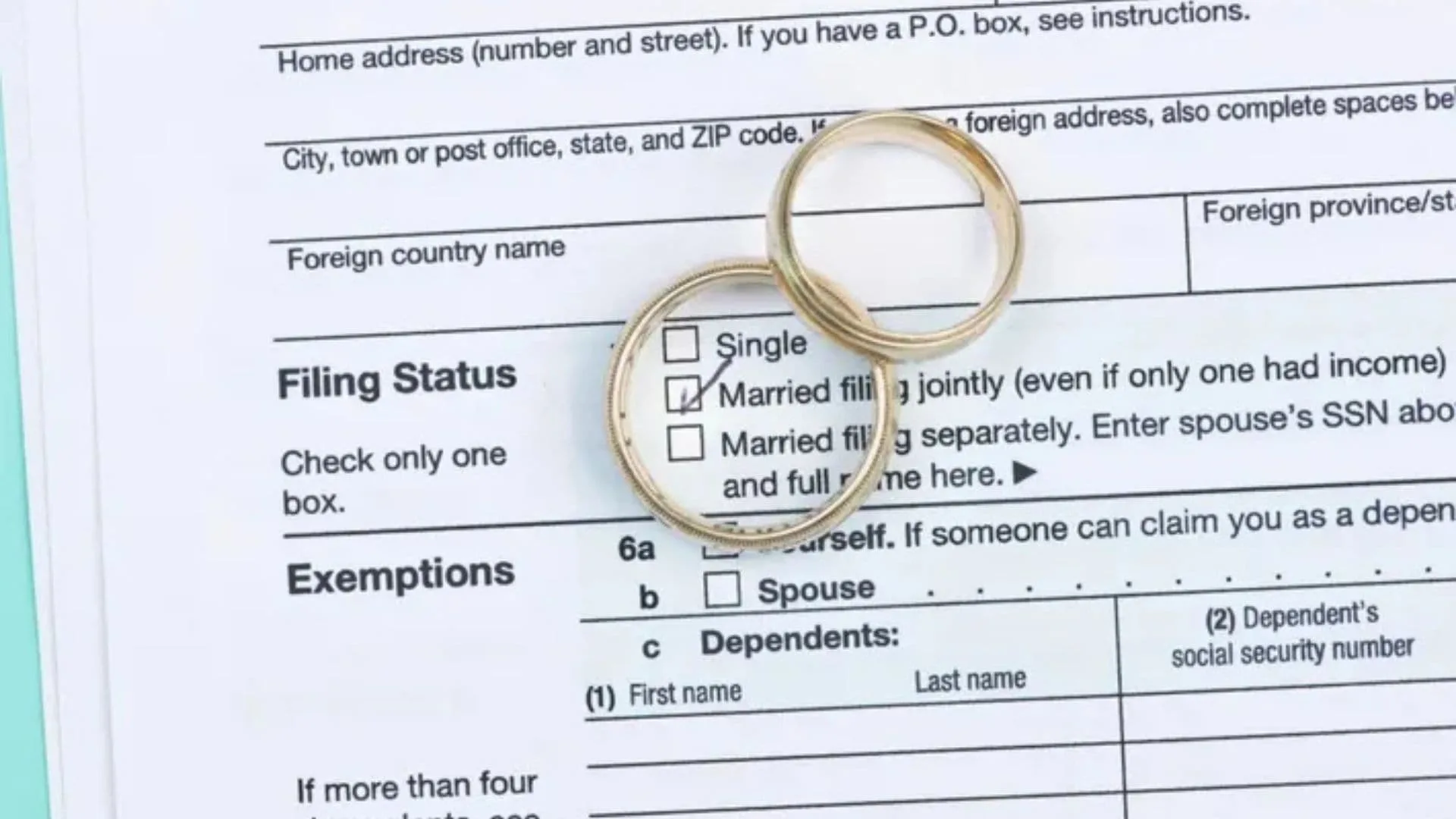
When the question is “do i check married if filing single,” the short answer is: if you’re legally married at the end of the tax year, you generally should not select “Single”—you would choose either Married Filing Jointly or Married Filing Separately instead. In this guide, “Do I Check Married If Filing Single” means figuring out what the IRS considers your marital status on December 31, how that affects your filing status choice, and what to do if you live apart, are separated, or think “filing separately” sounds the same as “single” (it isn’t). The biggest source of confusion is that people use “single” casually to mean “I handle my own finances,” but tax filing status has its own rules—so the “Married” checkbox depends on legal status, not vibes. If you’re married but want separate tax returns, that’s usually “Married Filing Separately,” not “Single,” and choosing the wrong status can create problems with deductions, credits, and IRS matching. There’s also a special situation where married taxpayers may be “considered unmarried” for Head of Household if they meet specific tests (including living apart for the last six months and paying more than half the cost of keeping up a home).
What “Married” And “Single” Mean On Taxes
The IRS lists five filing statuses, and “Single” is normally for taxpayers who are unmarried, divorced, or legally separated under a divorce or separate maintenance decree. If you are married, the IRS notes you can generally file either Married Filing Jointly or Married Filing Separately. A key detail is that marital status is determined as of the last day of the tax year (December 31), so being legally married on that date usually means you file as married for that year.

The Direct Answer: Should You Check Married If Filing Single?
If you are legally married at year-end, you generally cannot choose “Single” as your filing status, even if you and your spouse live apart or manage money separately. In that case, the “married but separate” option is Married Filing Separately, which is different from Single and comes with different rules and limitations. If you were divorced or legally separated by the end of the year, then you may qualify to file as Single (or possibly Head of Household if you meet the requirements).
Common Scenarios And The Correct Box To Check
- Married And Living Together: Usually file Married Filing Jointly or Married Filing Separately; do not select Single.
- Married But Living Apart: Still usually file as married (jointly or separately) unless you meet the “considered unmarried” tests for Head of Household.
- Legally Separated Or Divorced By December 31: You may be treated as unmarried for the whole year and can file as Single (or Head of Household if eligible).
- Married With A Child, Paying Most Home Costs, Spouse Gone The Last 6 Months: You may qualify as “considered unmarried” and file Head of Household if all requirements apply (this is not the same as “filing single”).
Quick Checklist To Avoid A Filing Status Mistake
- Check your legal marital status on December 31 (married vs divorced/legal separation).
- If married, choose between Married Filing Jointly and Married Filing Separately (not Single).
- If living apart with dependents, review whether you qualify as considered unmarried for Head of Household.
FAQs
Can I file Single if I’m married but we live apart?
Usually no; you generally file Married Filing Jointly or Married Filing Separately unless you qualify as “considered unmarried” for Head of Household.
Is Married Filing Separately basically the same as Single?
No—Married Filing Separately is a married status with its own limitations and rules, even if it feels similar in day-to-day life.
If I’m legally separated, do I check Married or Single?
If you’re legally separated under a divorce or separate maintenance decree by the end of the year, you may be able to file as Single (or Head of Household if eligible).