
How to file Poshmark taxes? is the question almost every reseller, closet-cleaner, and side-hustler eventually Googles—usually right after a great sales week. If you’re selling on Poshmark and wondering about IRS taxes, taxable income, 1099-K forms, reporting thresholds, profit vs. loss, deductions, cost basis, shipping discounts, platform fees, and whether your Poshmark earnings count as hobby income or business income, you’re in the right place. The short version: taxes usually depend less on “I got paid” and more on whether you actually earned profit, how consistently you sell, and whether your activity looks like a business—plus what information gets reported to you and the IRS on forms like the 1099-K. In this guide, we’ll keep it practical and scenario-based, so you can understand what typically triggers tax filing obligations, how to think about reselling profit, and what records help you stay calm if tax season gets loud.
Understanding Poshmark Taxes In Plain English
Selling on Poshmark can create taxable income if you sell items for more than what you paid for them (your “profit”). If you sell personal items at a loss—like a jacket you bought for $150 and sold for $40—that’s generally not a taxable gain, even though money hit your Poshmark balance.
Think of it like this: the IRS is usually interested in net gains and ongoing income activity, not the fact that you moved old stuff out of your closet. The tricky part is that online selling platforms can still generate tax forms based on payments processed, which makes good recordkeeping the real superhero here.
IRS Reporting Thresholds: What They Are (And What They Aren’t)
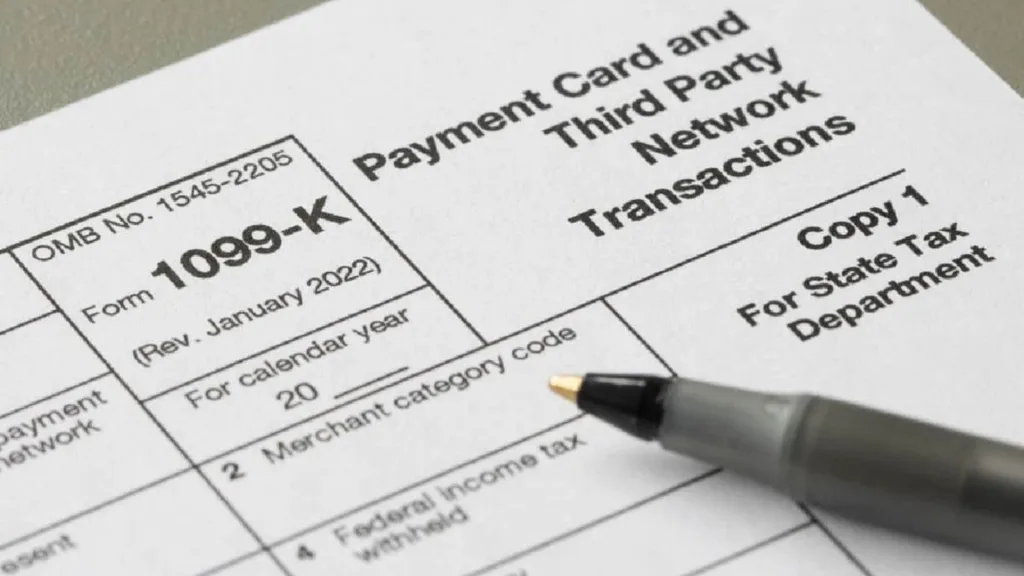
A “reporting threshold” commonly refers to when a platform may issue an information form (often a 1099-K) showing gross payments processed. Gross payments are not the same as taxable profit, because gross doesn’t automatically subtract what you originally paid, platform fees, shipping discounts you covered, supplies, or other costs.
Also important: not receiving a form doesn’t automatically mean you “don’t owe taxes.” If your Poshmark activity produced taxable profit, you may still have a tax reporting obligation even if no form shows up. The threshold mostly affects paperwork flow, not the basic concept of “profit can be taxable.”
The Big Difference: Gross Sales, Net Profit, And Taxable Income
To figure out what’s typically taxable, separate these terms:
- Gross sales (or gross payments): The total amount buyers paid (often what an information form reports).
- Costs: What you paid for the item (cost basis), plus selling expenses (platform fees, shipping you paid, packaging, labels, etc.).
- Net profit: Gross sales minus costs.
- Taxable income: Often aligned with net profit, depending on whether you’re treated as a hobby seller or a business (and other personal tax factors).
This is why two sellers with the same “Poshmark sales total” can have totally different tax outcomes. One might be flipping thrift finds for profit, while the other is unloading personal items for less than they paid.
Common Scenarios (And How They Usually Play Out)
Scenario 1: Cleaning Out Your Closet (Selling Personal Items At A Loss)
If you’re selling your own used clothing, shoes, and accessories for less than you originally paid, you’re typically not generating taxable profit. You might still see lots of deposits and feel like you’re “making money,” but economically you’re often recovering a small part of what you spent.
What to do anyway:
- Keep simple records (original purchase estimate, sale price, fees).
- Don’t panic if you get a form showing gross payments; it may reflect activity, not profit.
Scenario 2: Selling Personal Items With A Profit (Rare But Possible)
Sometimes you really do sell an item for more than you paid—limited releases, collectibles, sought-after bags, or something that appreciated. Profit is the part that usually matters.
What to watch:
- Your cost basis (what you paid, including tax/shipping if applicable).
- Proof of purchase (receipts, order confirmations, email invoices).
Scenario 3: Reselling For Profit (Side Hustle Behavior)
If you source items specifically to resell—thrifting, bins, wholesale lots, boutique inventory—this starts looking like business activity. In that case, you’re generally tracking income and expenses with the goal of calculating profit.
Common deductible-type expenses (often relevant for business-like selling):
- Platform commissions and seller fees.
- Shipping expenses you cover.
- Packaging supplies (mailers, tape, labels, thank-you cards).
- Mileage or travel related to sourcing (if legitimately connected).
- Home office considerations (only if you truly qualify; this is often overclaimed).
This is where having a system (even a simple spreadsheet) saves you from the “March Panic Spreadsheet Olympics.”

Scenario 4: Hobby Seller Vs. Business Seller
In everyday terms:
- Hobby: selling occasionally, not operating like a business, no real profit motive or consistent structure.
- Business: regular selling activity, profit intent, business-like recordkeeping, repeated sourcing, listing strategy, customer service routine, etc.
The classification can affect how expenses are treated and which tax forms you may file. If you’re trending toward consistent profit and repeat activity, treating it more like a small business (with clean records) is usually the safer and less stressful path.
Scenario 5: You Got A Tax Form (But You Swear You Didn’t Profit)
This happens a lot: you receive a form showing gross payments, but you mostly sold personal items at a loss. The form is not a “you owe this much tax” bill—it’s more like a “hey, there was selling activity” report.
Your job is to support what’s true:
- If there’s no profit, your records should demonstrate that.
- If there is profit, your records should help you report it correctly and avoid overstating income.
If you can’t prove what you paid, you may accidentally pay tax on “phantom profit,” which is basically the tax-season version of paying for guac twice.
What Records To Keep (So Tax Season Doesn’t Ruin Your Vibe)
You don’t need a complicated system, but you do need a consistent one.
Keep:
- Item description and date listed/sold.
- Sale price and shipping paid/discounts you covered.
- Platform fees deducted.
- What you paid (receipt, screenshot, bank line item, or reasonable estimate for personal items).
- Supplies and shipping materials costs.
- Sourcing trips notes (date, location, reason), if relevant.
Practical tip: create a monthly “Poshmark folder” (digital) and dump screenshots/receipts in it as you go. Future-you will feel like you left a thoughtful gift.
Filing Basics (High-Level, Not Personalized Advice)
Your exact tax filing approach depends on your total income, profit, and whether your activity is treated more like a business. Many consistent resellers end up reporting income and expenses in a way that resembles self-employment reporting, while casual sellers with no profit may simply be documenting why gross payments aren’t taxable profit.
If your situation is messy (mixed personal items + resale inventory, incomplete receipts, multiple platforms), consider a tax professional. One good hour of advice can be cheaper than a season of anxiety.

Mistakes Poshmark Sellers Commonly Make
- Confusing gross sales with profit.
- Ignoring fees and shipping costs when calculating net income.
- Not tracking cost basis (especially for bundles or thrift lots).
- Waiting until the end of the year to reconstruct everything from memory.
- Treating “no form received” as “no taxes owed.”
FAQs
Do I Owe Taxes If I Sell Used Clothes On Poshmark?
Usually only if you sold items for a profit; selling personal items for less than you paid typically doesn’t create taxable gain.
Is A 1099-K The Same Thing As Taxable Income?
No; it generally reports gross payments processed, which can be very different from your actual profit after costs and fees.
What If I Don’t Get A Tax Form From Poshmark?
You may still need to report taxable profit if you earned it; the form is about reporting, not the underlying tax rule.
What’s The Easiest Way To Track Poshmark Income And Expenses?
Use a simple spreadsheet with columns for item cost, sale price, platform fees, shipping costs you paid, and net profit per sale.