
If you have ever opened your mailbox to find an envelope from the FTB Letters Explained: What They Mean and Next Steps, your heart probably skipped a beat wondering what it means for your California taxes. FTB letters, also known as Franchise Tax Board notices, cover everything from balance due reminders and refund adjustments to audit requests and identity verification needs, helping taxpayers stay compliant with state income tax rules. These communications often address personal income tax returns, business franchise taxes, underpayment penalties, or discrepancies found during routine reviews, and they come with clear instructions on response deadlines and next steps. Homeowners, freelancers, small business owners, and wage earners alike search for answers about what FTB notice codes mean, how to respond to FTB letters, FTB letter response deadlines, and ways to avoid common tax notice pitfalls. Whether you received an FTB CP notice, underreporter letter, or substitution of return warning, understanding the type of FTB correspondence helps you act quickly to resolve issues, request payment plans, or appeal decisions without extra fees piling up. Knowing how to read FTB letters and follow their guidance keeps your finances on track and prevents bigger tax headaches down the road.
What The FTB Is And Why They Send Letters
The Franchise Tax Board, or FTB, runs California’s state tax collection and enforcement. It handles personal income taxes, corporate franchise taxes, and related filings for residents and businesses.
FTB letters serve as official notifications about your tax account. They alert you to actions needed, like paying owed amounts or providing missing documents.
These notices follow strict protocols to ensure fairness. They arrive by mail or sometimes electronically if you opt into e-notices.
Common Types Of FTB Letters
FTB uses specific codes and formats to identify each notice type. Recognizing them speeds up your response time.
Balance due notices request payment for unpaid taxes from recent returns. Refund adjustment letters explain changes to your expected refund amount.
Audit notices signal a review of your filed return. They often ask for supporting records like receipts or W-2 forms.
Identity verification letters confirm your details match state records. Substitution for return notices mean FTB filed a return on your behalf using reported income.
How To Read An FTB Letter
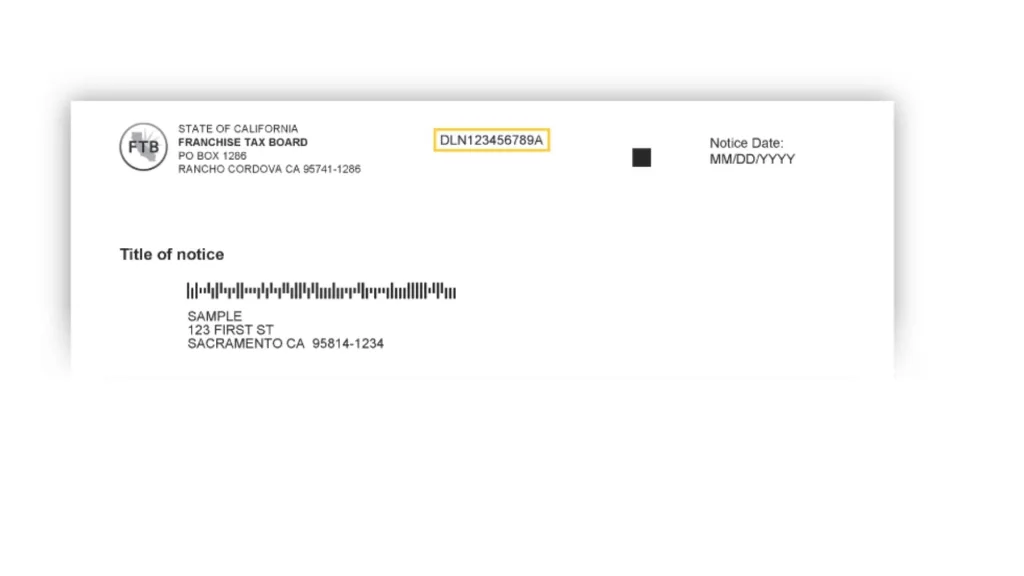
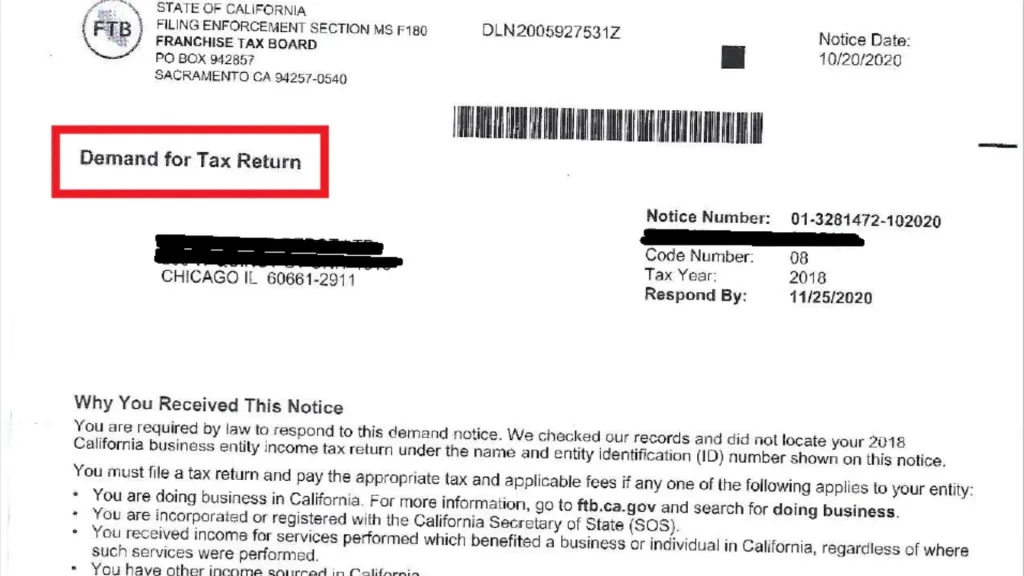
Start by checking the notice number at the top. It reveals the exact purpose, like CP2000 for underreported income.
Look for key sections: your account summary, explanation of changes, and action required. Deadlines appear in bold or boxed areas.
Note any reference to prior correspondence. FTB often sends follow-ups if initial letters go unanswered.
Decoding Common FTB Notice Codes
Each code points to a specific issue. CP27 means they propose adjustments to your return.
CP2000 covers income mismatches between your filing and third-party reports. CP75 requests verification of exemptions or deductions.
CP3219ANR flags unfiled returns based on wage data. Understanding these prevents escalation to collections.
Deadlines For Responding To FTB Letters
Most FTB letters set a 30-day response window from the issue date. Missing it can trigger penalties or enforced collections.
Payment due notices often allow 21 days before interest accrues. Appeals have separate timelines, usually 90 days.
Mark your calendar immediately. Extensions require a written request with good cause.
Steps To Respond To An FTB Balance Due Notice
Gather your records matching the owed amount. Pay online via the FTB website or by check with the payment voucher.
If you disagree, send a written dispute with evidence. Request an installment agreement if full payment strains your budget.
Confirm receipt by tracking your response. FTB sends acknowledgment letters for valid submissions.
Handling FTB Audit Notices
Review the items under audit. Collect documents proving your deductions, income, or credits.
Reply within the deadline using the enclosed form. Opt for a phone appointment if offered.
Professional help from a tax preparer can strengthen your case. Keep copies of everything submitted.
What To Do About FTB Refund Adjustments
Compare the adjustment explanation to your original return. Verify math errors or disallowed items.
Submit a protest if you believe credits were wrongly removed. Include proof like medical bills for deductions.
Adjusted refunds arrive faster once resolved. Track status through your MyFTB account online.
Identity Verification With FTB Letters
Provide copies of ID, Social Security card, and utility bills. Use secure upload portals or certified mail.
Expect a confirmation letter after processing. This step protects against fraud on your account.
Update your contact info to avoid future verifications. Enable two-factor authentication on FTB portals.
Setting Up FTB Payment Plans
Short-term plans cover balances under $25,000 with monthly installments. Long-term options suit larger debts.
Apply online or call the FTB helpline. Provide income details for eligibility.
Stick to the schedule to avoid default. Plans pause most collection actions during compliance.
Appealing An FTB Notice Decision
File a protest within 90 days using form FTB 4897. Detail your disagreement with supporting facts.
Attend any scheduled hearings prepared. Decisions can be further appealed to the Office of Tax Appeals.
Success rates improve with clear evidence. Track your appeal status via the FTB portal.
Avoiding Common FTB Letter Mistakes
Do not ignore notices, even if you think they are wrong. Respond promptly to halt penalties.
Avoid sharing sensitive info via email unless through official channels. Watch for scams mimicking FTB letters.
Double-check addresses before mailing responses. Register for MyFTB to go paperless.
When To Get Professional Help With FTB Letters
Complex audits or large balances warrant a CPA or enrolled agent. They navigate appeals and negotiations effectively.
Free help exists via Taxpayer Advocate Services or Low-Income Taxpayer Clinics. Use VITA for basic return issues.
Professionals save time and often reduce owed amounts through expertise.
Tracking Your FTB Letter Resolution
Create a MyFTB account for real-time updates. Check notice history and payment status there.
Call the number on your letter for personalized help. Wait times vary by season.
Keep a file of all FTB correspondence. It proves your compliance history.
FTB Letters And Tax Scams
Real FTB letters arrive by US Mail, never demand instant payment via gift cards. They include full contact details.
Report suspicious texts or calls to FTB fraud lines. Verify legitimacy through official channels only.
Stay vigilant during tax season. Legit notices give response time, not ultimatums.
Benefits Of MyFTB Online Account
Access notices digitally without waiting for mail. View transcripts, balances, and filings instantly.
Enroll with your SSN and prior return data. Two-factor setup adds security.
Paperless saves trees and speeds communication. Opt-in during tax filing season.
Long-Term Tips To Prevent FTB Letters
File on time with accurate data. Double-check entries against W-2s and 1099s.
Estimate payments quarterly if self-employed. Maximize legitimate deductions with records.
Review state changes annually. Tools like FTB calculators aid planning.
FAQs
What Does An FTB Letter Mean?
It is an official notice from California’s Franchise Tax Board about your tax account, like payments owed or return reviews.
How Do I Respond To An FTB Notice?
Check the deadline, gather documents, and reply via mail, online portal, or phone as instructed on the letter.
Can I Ignore An FTB Letter?
No, ignoring it leads to penalties, interest, or collections. Always respond within the given timeframe.
What Is A CP2000 FTB Notice?
It flags income or deduction mismatches between your return and third-party reports, often requiring clarification.
How Do I Set Up An FTB Payment Plan?
Apply online through MyFTB or by phone, providing balance and income details for installment approval.