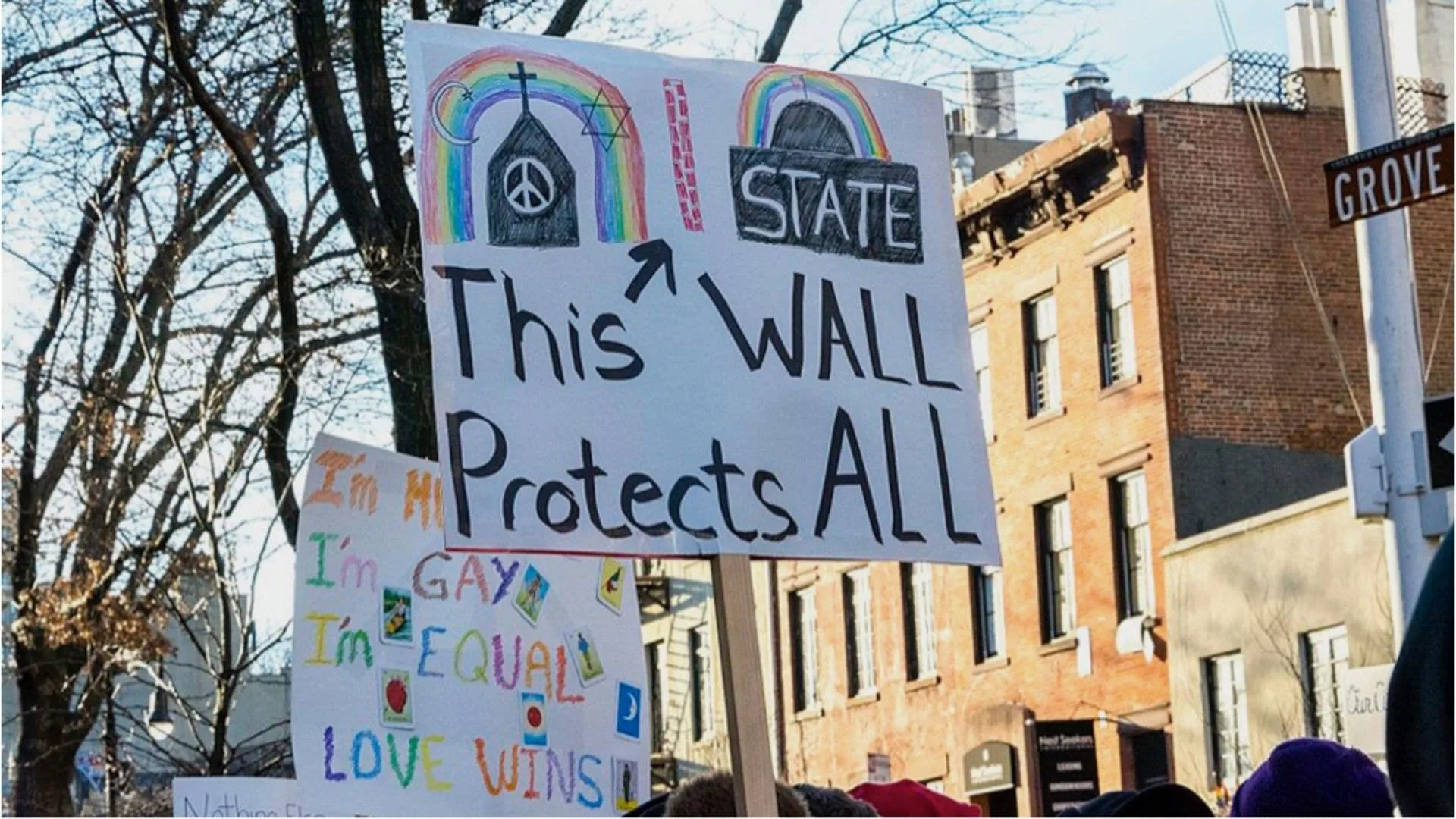
In a case that could impact the ongoing debate over the separation of church and state, one of the most pressing questions right now is: Has the judge approved Americans United for Separation of Church and State’s motion to intervene? The answer to this question is crucial as it determines whether the organization can become an official party in a legal battle that may set a significant precedent. Americans United for Separation of Church and State (AU), a nonprofit advocacy group focused on ensuring the government remains neutral in matters of religion, has long fought for the protection of constitutional rights under the Establishment Clause of the First Amendment. This particular motion to intervene could empower AU to directly challenge any government actions or policies that they believe violate this crucial separation principle. The case at hand could set a major legal precedent for future cases involving religion and government, making the judge’s decision even more significant.
This article dives into the specifics of the AU’s motion to intervene, what it means for church-state separation, and the potential outcomes of the judge’s ruling. Let’s unpack the importance of the motion, why it’s a critical point in this legal battle, and what the decision might mean for the broader issue of religious freedom in America. Understanding the key arguments and legal steps involved will give you a clearer picture of the long-term implications this case may have for both legal precedent and public policy.
What Does It Mean to Intervene in a Legal Case?
Before delving into whether the judge has approved the motion, it’s important to understand what it means for Americans United for Separation of Church and State to intervene in a case. In legal terms, “intervening” means that a party is allowed to join an ongoing lawsuit because they have a direct stake in the outcome. In this case, Americans United seeks to join the legal action to represent the public interest in ensuring the separation of church and state is maintained. Without such an intervention, the case could progress without key considerations that AU believes are important to uphold constitutional principles.
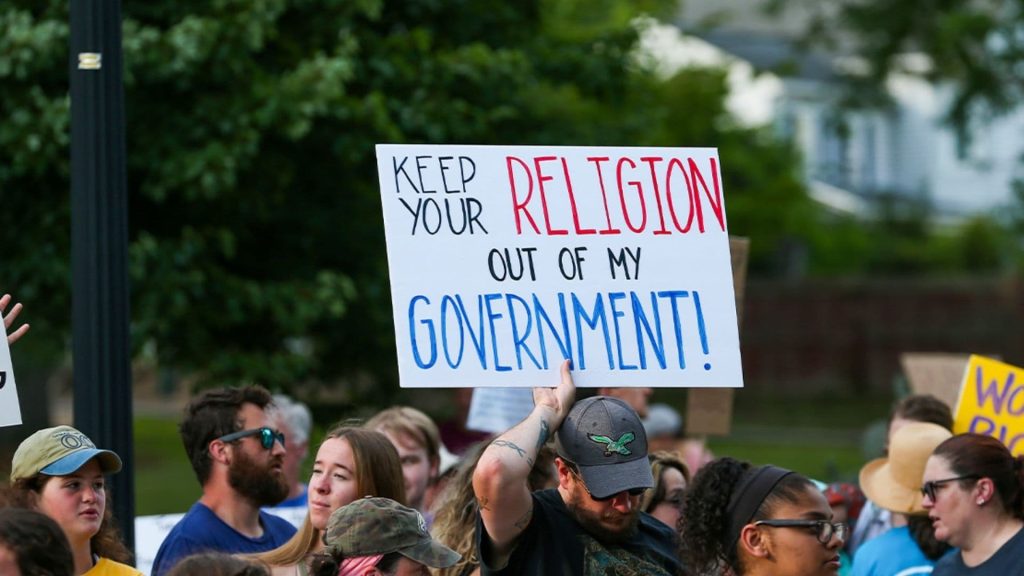
The Importance of Church and State Separation in Legal Battles
The debate over the separation of church and state is as old as the country itself, often coming to the forefront during legal challenges involving government actions that intersect with religion. The U.S. Constitution clearly mandates a separation between the two, but the boundaries of that separation are frequently tested in court. For decades, Americans United has played an instrumental role in challenging laws and government practices that they believe cross the line into unconstitutional territory.
The AU’s involvement in this case is significant because it offers the court an additional perspective on the importance of maintaining this separation. Through their motion to intervene, they seek to ensure that the court fully considers the broader implications for constitutional rights and religious freedoms, especially when it comes to government entanglement with religion. Their participation could help strengthen the case against any governmental actions that appear to favor one religion over others or that improperly involve religious institutions in government policy.
Why Has Americans United Filed This Motion?
Americans United for Separation of Church and State filed the motion to intervene because they believe their perspective is crucial to the case at hand. Often, cases that involve church-state separation can become contentious, with powerful religious groups or government bodies seeking to blur the lines between the two. AU has been a vocal advocate for ensuring that government action does not infringe upon the Establishment Clause, which prohibits government entities from promoting or endorsing religious practices. Their motion to intervene ensures that their arguments are formally considered in the case.
The motion is also significant in that it demonstrates AU’s commitment to defending the constitutional separation of church and state in every aspect of American law. This proactive legal strategy helps keep church-state separation issues in the spotlight and ensures that important legal precedents are set with public and legal scrutiny.
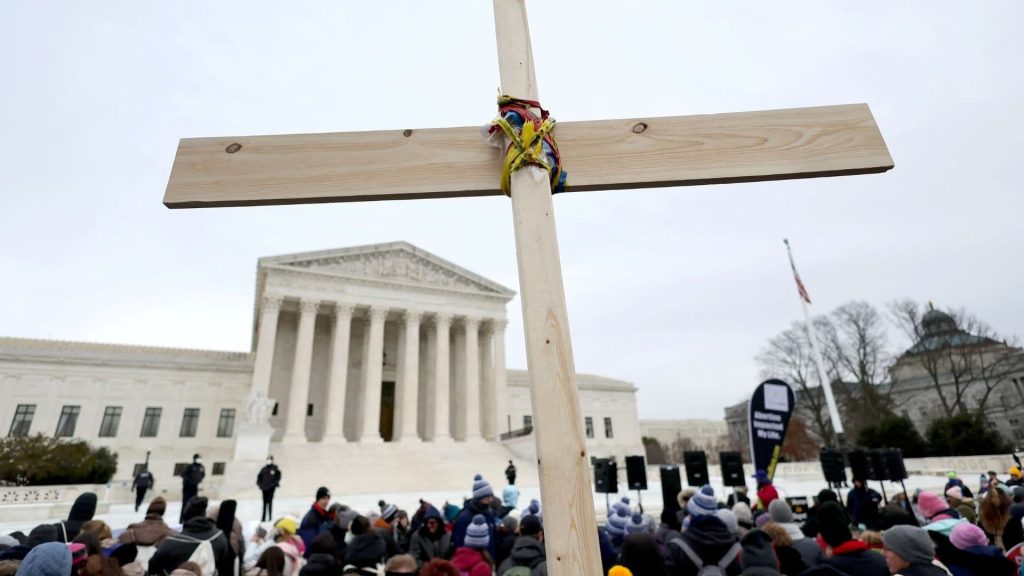
What Could Happen If the Judge Approves the Motion?
If the judge approves Americans United’s motion to intervene, they will officially become a party in the case. This could significantly influence the outcome of the legal proceedings, particularly if AU is able to present strong arguments about the violation of constitutional principles. With their direct involvement, they may push for a more comprehensive ruling that upholds church-state separation more rigorously.
On the other hand, if the motion is denied, the organization will not be able to participate directly in the case. However, this doesn’t mean the issue of church-state separation will be ignored—Americans United has a long history of filing amicus briefs, which are legal documents filed by non-parties to offer expertise or perspective on a particular legal issue. Even without direct involvement, AU can still influence the case through other legal channels.
How This Decision Could Affect Future Church-State Cases
The decision on whether Americans United can intervene in this case has the potential to affect future legal cases related to the separation of church and state. A ruling that allows AU’s intervention could signal to other advocacy groups that their participation in similar cases is permissible. It would also underscore the importance of keeping church and state separate in legal considerations, reinforcing the idea that the government must remain neutral on matters of religion. On the flip side, a decision to deny intervention could restrict the scope of future involvement by nonprofit organizations in such cases, potentially limiting the range of legal perspectives on church-state separation.
Conclusion
The judge’s decision on whether to approve Americans United for Separation of Church and State’s motion to intervene is an important moment in the ongoing battle over the separation of church and state in America. Whether the motion is approved or not, the case will have implications for how church-state separation is handled in future legal battles. Americans United’s participation in the case could influence the outcome, helping to ensure that constitutional principles are protected. For now, all eyes are on the court as they weigh this pivotal decision.