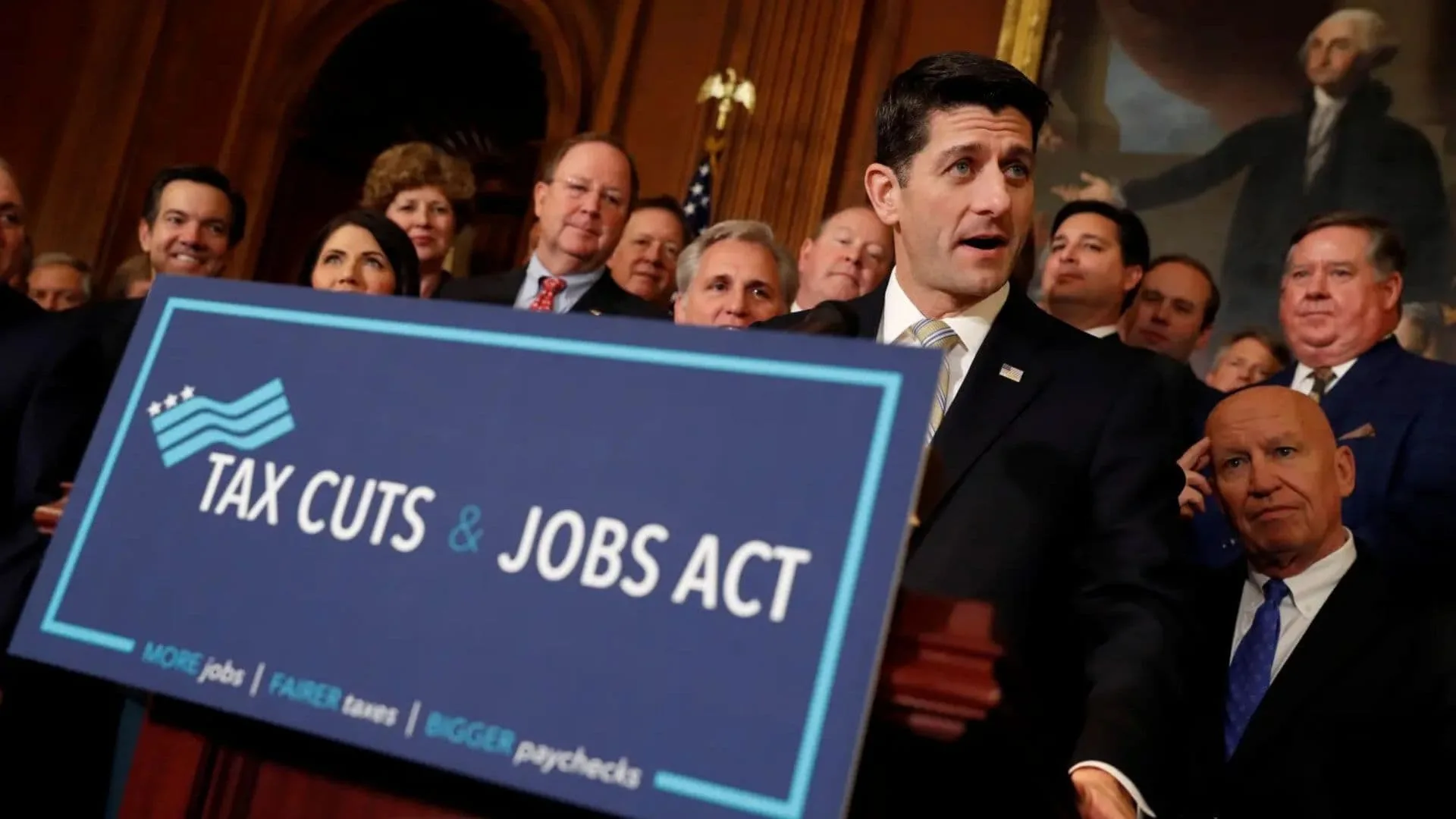
If you’re trying to understand How Has The TCJA Affected The National Debt?, it helps to translate the policy noise into a simple budget identity: when a law reduces federal revenue more than it reduces federal spending, the annual deficit tends to rise, and the debt tends to grow faster. The TCJA (signed in 2017) cut corporate tax rates, changed international taxation rules, and temporarily lowered individual income tax rates—moves that increased after-tax incomes for many households and businesses, but also reduced projected federal revenues relative to what they would have been under pre-TCJA law. Over time, most mainstream budget estimates concluded that the TCJA added to deficits on net, and since persistent deficits accumulate, that effect feeds into a higher national debt path.
That doesn’t mean the TCJA “single-handedly” created today’s debt level—debt is driven by many forces (healthcare costs, aging demographics, interest costs, and shocks like recessions). But it does mean the TCJA is commonly treated as one measurable policy contributor to higher deficits, especially in the first decade after enactment. A key reason this is debated so intensely is that the TCJA also aimed to boost investment and growth, and stronger growth can increase tax receipts. The argument becomes: did the growth effect generate enough additional revenue to offset the tax cuts? Most official-style scorekeeping has generally said “not fully,” so the net effect is still higher deficits and debt compared with the baseline.
The Main Channels That Link TCJA To Debt
The TCJA influences debt through a few big pathways:
- Lower Corporate Tax Revenue: Reducing the corporate tax rate tends to reduce near-term revenue collections unless a very large investment surge expands the tax base enough to compensate.
- Temporary Individual Cuts: Many individual provisions were designed to sunset, which complicates long-run projections. The near-term deficit effect can still be real even if later law changes reverse some provisions.
- International And Base-Broadening Changes: Shifts to international rules and deductions can raise or lower revenue depending on corporate behavior, profit shifting, and enforcement.
- Higher Interest Costs Over Time: More debt today generally means more interest payments later, which can amplify the long-term cost of deficit-increasing policy.

Timing Matters: Short Run Vs Long Run
Debt discussions get messy because the TCJA’s provisions don’t all operate on the same schedule. In the early years, rate cuts and expensing provisions can have a noticeable revenue effect. Later, if provisions expire (or get extended), the debt impact changes dramatically. That’s why some analyses talk about “the 10-year budget window,” while others focus on a longer horizon where interest compounding becomes a bigger part of the story.
In plain terms: even a policy that “only” increases deficits modestly each year can create a larger debt impact over decades, because deficits accumulate and interest costs stack on top.
Did Economic Growth Pay For The Tax Cuts?
The TCJA was partially justified by the idea that lower tax rates—especially on corporate income—would increase investment, productivity, and wages. The more growth you get, the more taxable income exists, and the more revenue can return to the Treasury.
However, most non-partisan scoring approaches historically assume growth feedback exists but is not large enough to fully offset the cost of large tax cuts. Growth effects can be real, but “fully paying for itself” requires a very large and sustained boost—often larger than what most estimates have found plausible. In practice, if revenue comes in below what’s needed to cover the tax reduction, the difference shows up as higher deficits and thus higher debt.
Which TCJA Provisions Matter Most For Debt?
While the full law is complex, several features are often highlighted in debt discussions:
- Corporate Rate Cut: A large, visible reduction that affects a major revenue stream.
- Full Expensing (Bonus Depreciation): Can encourage near-term investment but also shifts revenue timing (less revenue now, potentially more later).
- Pass-Through Deduction (Section 199A): Reduced taxes for many business owners, affecting receipts.
- Individual Rate And Deduction Changes: Broad-based effects that influence withholding and annual receipts.
- International Tax Rules: Designed to reduce profit shifting and change incentives, but results depend heavily on corporate responses.
Why People Disagree About The Debt Impact
A few reasons you’ll see different answers to the same question:
- Different Baselines: Some comparisons assume the law would have been extended anyway; others compare to strict pre-law rules.
- Different Time Windows: A 5-year look can differ from a 20- or 30-year horizon.
- Behavioral Assumptions: How much investment increases, how firms shift profits, and how taxpayers respond matters a lot.
- Subsequent Policy And Shocks: Later legislation, economic cycles, and emergencies can swamp the effect in headline debt numbers, even if TCJA still contributed on the margin.
FAQs
Did The TCJA Increase The National Debt?
Most widely cited analyses conclude it increased deficits on net in the years after passage, which increases the debt compared to the pre-TCJA baseline.
Did The Corporate Tax Cut Pay For Itself?
Most scorekeeping frameworks suggest growth feedback offset only part of the revenue loss, not all of it.
Why Do Some People Say The Debt Impact Was Small?
Some comparisons use shorter time windows, assume future extensions of expiring provisions, or emphasize growth effects more strongly.
Does Extending TCJA Provisions Change The Debt Outlook?
Yes—if temporary tax cuts are extended without offsets, the long-run debt impact is typically large