Becoming a Montana resident is more than just packing your bags and heading to the Treasure State—it’s about understanding residency requirements, establishing legal domicile, and completing the necessary paperwork to call Montana your official home. Whether you’re drawn to Montana’s stunning landscapes, outdoor recreation opportunities, favorable tax climate, or simply seeking a fresh start in one of America’s most beautiful states, knowing the proper steps for Montana residency is essential. The process of becoming a Montana resident involves demonstrating your intent to make Montana your permanent home through specific actions like obtaining a Montana driver’s license, registering to vote, securing employment or establishing a business in the state, and spending a significant portion of your time within Montana’s borders. Understanding residency laws, domicile requirements, and the timeline for establishing legal residence will help you transition smoothly while avoiding complications with Montana taxes, vehicle registration, voting rights, and other important legal matters. This comprehensive guide walks you through everything from initial planning and documentation to the final steps of becoming an official Montana resident, ensuring you meet all state requirements while maximizing the benefits of living in Big Sky Country.
Understanding Montana Residency Requirements
Montana defines a resident as someone who maintains their primary home in the state with the intention of making it their permanent residence. The key distinction lies between physical presence and legal domicile—you can be physically present in Montana without being a legal resident. To establish residency, you must demonstrate clear intent to make Montana your permanent home rather than a temporary location.
The state doesn’t impose a specific minimum number of days you must spend in Montana annually, but your actions and documentation must prove Montana is your primary residence. This differs from states with strict 183-day rules. Montana authorities examine the totality of your circumstances rather than counting days alone.

Establishing Your Intent to Become a Resident
Demonstrating genuine intent is crucial for Montana residency. Begin by securing housing—whether purchasing property, signing a long-term lease, or establishing a permanent address. Your housing situation serves as foundational evidence of your commitment to Montana living.
Next, sever ties with your previous state of residence. This includes canceling voter registration, updating your mailing address with financial institutions, and notifying employers of your permanent relocation. The more comprehensively you disconnect from your former state, the stronger your Montana residency claim becomes.
Obtaining a Montana Driver’s License
Visit a Montana Motor Vehicle Division office within 60 days of establishing residency. Bring proof of identity (passport or birth certificate), Social Security card, and two documents proving Montana residency such as utility bills, lease agreements, or bank statements with your Montana address.
You’ll need to surrender your out-of-state license, pass a vision test, and possibly take written and driving tests depending on your previous license status. The standard Montana driver’s license costs approximately $30-60 depending on the duration you choose. This document serves as primary proof of residency for most official purposes.
Registering Your Vehicle in Montana
Transfer your vehicle registration to Montana within 60 days of establishing residency. Visit your county treasurer’s office with your current vehicle title, proof of insurance meeting Montana’s minimum requirements, and your Montana driver’s license.
Montana requires vehicle inspections in certain counties, so verify local requirements before registration. Registration fees vary based on vehicle age, weight, and type. Montana doesn’t impose a sales tax on vehicle purchases, making it financially attractive for vehicle registration compared to many other states.
Registering to Vote and Other Civic Duties
Register to vote online through Montana’s Secretary of State website or in person at your county election office. You’ll need your Montana driver’s license number or the last four digits of your Social Security number. Voter registration reinforces your residency claim and grants you participation in state and local elections.
Consider updating your selective service registration if applicable, registering pets according to local ordinances, and familiarizing yourself with jury duty requirements. These civic responsibilities further establish your integration into Montana communities.
Tax Implications of Montana Residency
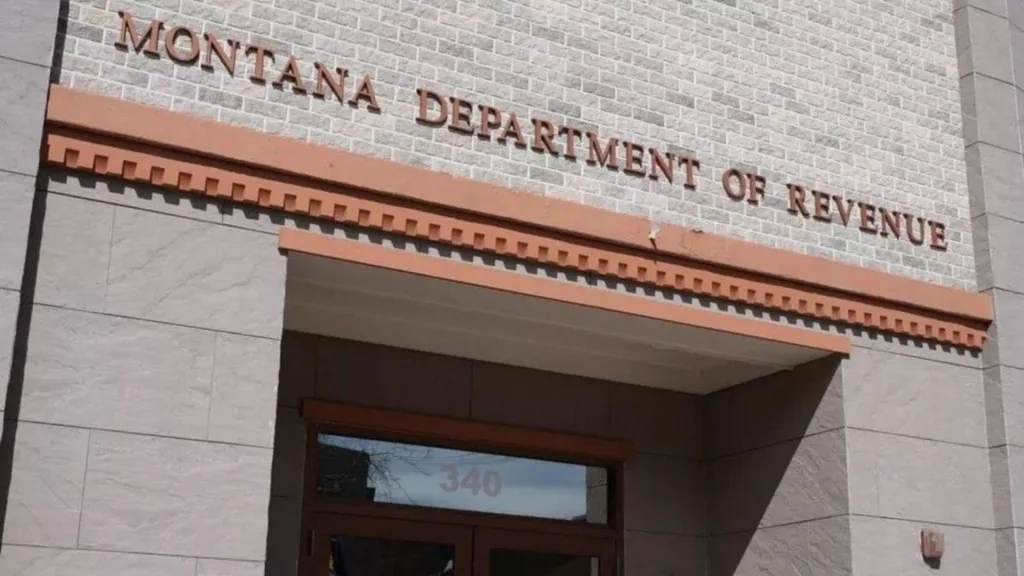
Montana residents must file state income tax returns reporting all income regardless of source. The state uses a graduated income tax system with rates currently ranging from 4.7% to 5.9%. However, Montana has no sales tax, making everyday purchases more affordable than in many states.
Notify the IRS of your address change using Form 8822. Update withholding information with employers to reflect Montana tax rates. If you maintain property in another state, consult a tax professional about potential dual-state filing requirements and domicile determinations for tax purposes.
Employment and Business Considerations
Securing Montana employment or establishing a business significantly strengthens your residency status. Update your employer records to reflect your Montana address and ensure proper state tax withholding. If self-employed, register your business with the Montana Secretary of State and obtain necessary licenses.
Join professional organizations based in Montana, open bank accounts with Montana financial institutions, and establish relationships with local healthcare providers. These connections demonstrate ongoing community integration and permanent residency intent.
Healthcare and Insurance Updates
Enroll in health insurance plans available to Montana residents through state exchanges or private providers. Transfer existing policies to Montana addresses and notify insurance companies of your residency change to ensure proper coverage and rates.
Update life insurance policies, disability coverage, and other insurance products to reflect your Montana residency. Some insurance rates may change based on Montana risk profiles, potentially offering savings compared to your previous state.
Education and Professional Licensing
If you have school-age children, enroll them in Montana public schools using your proof of residency. Montana residency affects college tuition rates at state universities, offering significant savings for in-state students after meeting residency requirements.
Transfer professional licenses to Montana licensing boards if your occupation requires state certification. Lawyers, nurses, teachers, contractors, and many other professionals must obtain Montana-specific licenses. Research requirements early as some professions require examinations or additional coursework.
Timeline for Establishing Residency
Most people can establish Montana residency within 60-90 days by completing essential tasks promptly. Obtain your driver’s license first, followed immediately by vehicle registration. Complete voter registration and address changes with all relevant institutions within the first month.
Banking transitions, professional licensing, and deeper community integration may take several months. Plan for a six-month transition period to fully establish yourself as a Montana resident with comprehensive documentation supporting your status.
SEO-Friendly Related Keywords
Montana residency requirements, establish Montana domicile, Montana driver’s license application, Montana vehicle registration process, Montana state income tax, moving to Montana checklist, Montana residency timeline, proof of Montana residency, Montana voter registration, becoming a legal Montana resident, Montana residency laws, Montana resident benefits, relocating to Montana guide, Montana residency documentation, Big Sky Country living

FAQs
How long does it take to become a Montana resident?
You can establish legal residency within 60-90 days by obtaining a driver’s license, registering vehicles, and demonstrating intent to make Montana your permanent home.
Do I need to spend a certain number of days in Montana each year?
Montana doesn’t have a specific day requirement, but you must demonstrate Montana is your primary residence through actions, documentation, and intent.
Can I keep my out-of-state driver’s license?
No, you must surrender your previous license when obtaining a Montana driver’s license within 60 days of establishing residency.
Does Montana have state income tax?
Yes, Montana has graduated income tax rates from 4.7% to 5.9%, but the state has no sales tax on purchases.
What documents prove Montana residency?
Utility bills, lease agreements, mortgage documents, bank statements, voter registration cards, and Montana driver’s licenses serve as common proof of residency.
Would you like me to adjust the tone to be more formal, or would you prefer additional sections covering specific aspects of Montana residency?