
If you own a vacant house, you might be wondering how to make money off a vacant house instead of letting it sit empty and drain your resources. A vacant property can actually become a steady income generator if you explore the right options, whether that means renting it out short-term to travelers, leasing it long-term to a resident, converting part of it into a creative studio, offering it as storage space, or even flipping it for a profit. The key is understanding your local market, checking zoning laws and rental regulations, evaluating the condition of the home, and matching the best strategy to your goals and available budget. Many homeowners overlook the potential of their empty property, but with a little research and planning, you can transform that vacant house into a source of monthly cash flow, long-term wealth, or even a quick sale gain. Whether you’re looking for passive income, a temporary revenue stream, or a strategic real estate move, there are several smart paths to turn your unused space into earning power.
In today’s dynamic real estate market, vacant homes present unique opportunities for owners who want to capitalize on their investment. Instead of paying upkeep costs, insurance, and taxes on an empty property, you can offset those expenses and potentially earn extra income by putting the house to work. The approach you choose depends on factors like location, property condition, your time availability, and how quickly you want to see returns. Some methods require minimal effort, like listing on a storage platform, while others demand more management, such as running a short-term rental. Understanding these options will help you pick the strategy that fits your situation best.
Rent It Out As A Short Term Rental
Short-term rentals through platforms like Airbnb or Vrbo can generate significant income, especially if your vacant house is in a popular tourist area, near a city center, or close to event venues. Many travelers prefer entire homes over hotel rooms for family trips, work assignments, or extended stays. You can set your own pricing, control availability, and even offer extras like breakfast kits or local experience guides to boost your rates.
To succeed, make sure the house is clean, safe, and well-equipped with essentials like bedding, towels, kitchen supplies, and reliable Wi-Fi. High-quality photos and a compelling description will attract more bookings. Check local regulations since some cities require permits or limit short-term rental days.
Lease It Long Term To A Resident
Long-term leasing provides stable, predictable income with less day-to-day management than short-term rentals. You can list the property on rental websites, work with a real estate agent, or advertise through local community boards. A standard one-year lease gives you consistent monthly payments and reduces turnover costs.
Screen tenants carefully by checking credit history, rental references, and employment verification. Consider requiring a security deposit and setting clear rules about maintenance, pets, and subletting. Long-term tenants often take better care of the property since they treat it as their home.

Convert Part Of The House Into A Studio Or Office
If you or someone else needs a creative workspace, you can convert a room or the entire vacant house into a studio, photography studio, art studio, or remote office. Many professionals seek affordable, quiet spaces for work or creative projects, especially in urban areas where commercial rent is high.
You can rent the space hourly, daily, or monthly through platforms like SnapSpace or local coworking networks. Make sure the space has proper lighting, Electricity, and internet. Adding features like soundproofing, mirrors, or backdrop walls can increase its appeal for specific uses.
Offer The Property As Storage Space
Not everyone needs a full home, but many people need storage for belongings, equipment, or inventory. You can list your vacant house as storage space on platforms like StorageAuto or Neighbor, where users search for affordable garage, driveway, or basement storage.
This option requires minimal preparation. Just clear out clutter, ensure the space is dry and secure, and set a competitive price per square foot. It’s ideal for houses in residential areas with easy access and good security.
Use It For Film Or Photo Shoots
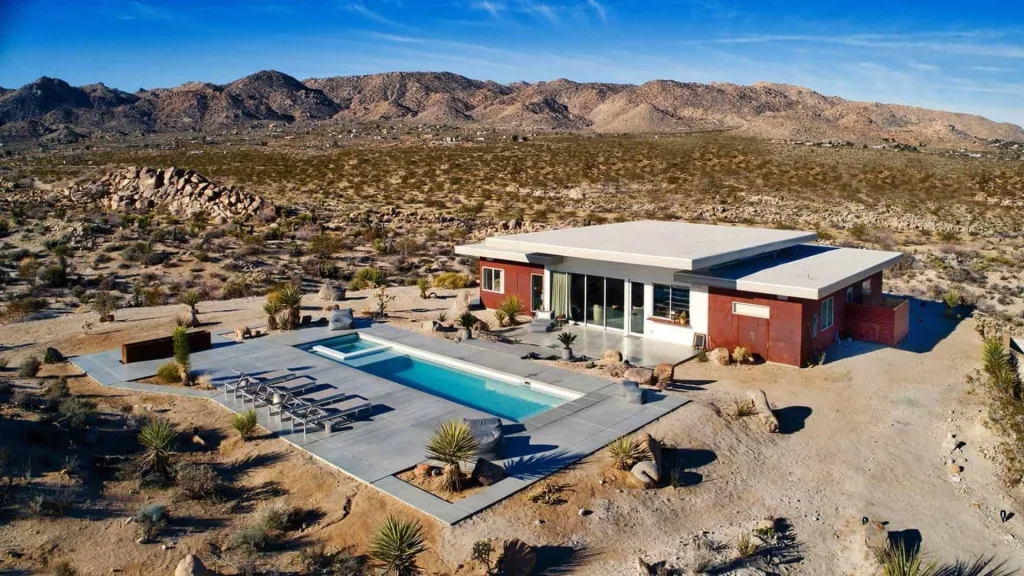
Vacant houses are popular venues for film productions, photo shoots, commercials, and content creation. Production companies often seek unique, empty properties that can be styled for different scenes without the hassle of moving out residents.
List your property on shoot location platforms like Zillow Locations or Share My Spaces. Charge per hour or per day, and include fees for overtime, cleaning, or damage. Make sure the house is accessible, has power, and can accommodate equipment.
Start A Pop Up Shop Or Retail Event
If your vacant house is in a commercial or high-traffic area, you can host pop-up shops, retail events, or community markets. Local artisans, boutiques, and brands often look for temporary spaces to showcase products without long-term lease commitments.
Partner with event organizers or advertise directly to local businesses. Set clear rules about insurance, cleanup, and scheduling. This can generate quick income and build community connections.
Sell The House For A Quick Profit
If you don’t want to manage rentals or modifications, selling the vacant house might be the best option. You can list it traditionally, sell to a real estate investor, or use a fast-sale service. Selling eliminates ongoing costs and gives you immediate cash.
Consider the market conditions, property condition, and your timeline. A quick sale to an investor may mean a lower price but faster closing. A traditional sale might fetch more but take longer.
Rent The Yard Or Driveway For Parking Or Events
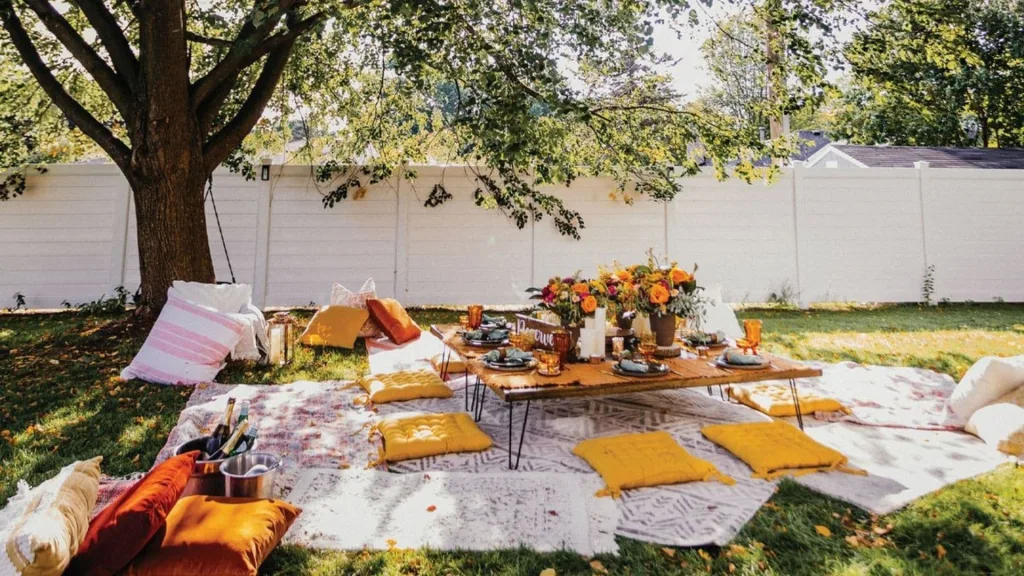
If the house has a large yard or driveway, you can rent it for parking, car shows, outdoor events, or filming. This is especially valuable in cities with limited parking or near event venues.
List on parking platforms like JustPark or advertise locally. Charge per hour, day, or event. Ensure the area is safe, well-lit, and accessible.
Create A Glamping Or Outdoor Experience
If your vacant house has land, you can add glamping tents, cabins, or outdoor experiences. Glamping (glamorous camping) is a growing trend, offering comfortable outdoor stays with amenities like heaters, beds, and kitchens.
Install tents or small structures, add utilities, and list on Airbnb or Hipcamp. This can attract nature lovers and couples seeking unique stays.
FAQs
Can I rent out a vacant house without a tenant?
Yes, you can rent it as storage, a studio, or for events without a residential tenant.
Do I need a permit for short-term rentals?
Many cities require permits or have limits on short-term rental days. Check local rules.
Is it safe to let people into a vacant house?
Secure the property, use contracts, and consider insurance to protect against damage or theft.
How much can I earn from a vacant house?
Income varies by location, use type, and demand. Short-term rentals often earn more than storage.
What if the house needs repairs?
Address major safety issues before renting. Minor repairs can be handled by tenants with agreement.
Got a vacant house and ready to turn it into cash? Which strategy will you try first?