IRS Form 5695 And Cash App Taxes: How To Claim Energy Tax Credits explains how homeowners can use federal energy tax credits to reduce their tax liability after making qualifying energy improvements. Many taxpayers search for information about IRS Form 5695, Cash App Taxes, and energy tax credits because they want to understand how improvements such as solar panels, energy-efficient equipment, and qualifying home upgrades may affect their tax return. IRS Form 5695 is used to claim certain residential energy credits, including credits related to qualified clean energy property and energy-efficient home improvements. Tax filing platforms such as Cash App Taxes can guide users through tax questions, but taxpayers still need accurate information about eligibility requirements, documentation, and credit limits. Understanding how to claim energy tax credits involves knowing which improvements qualify, how Form 5695 works, and how to properly report these benefits on your federal tax return. This guide explains the connection between IRS Form 5695 and Cash App Taxes, the steps involved in claiming energy credits, and important details homeowners should know before filing.
What Is IRS Form 5695?
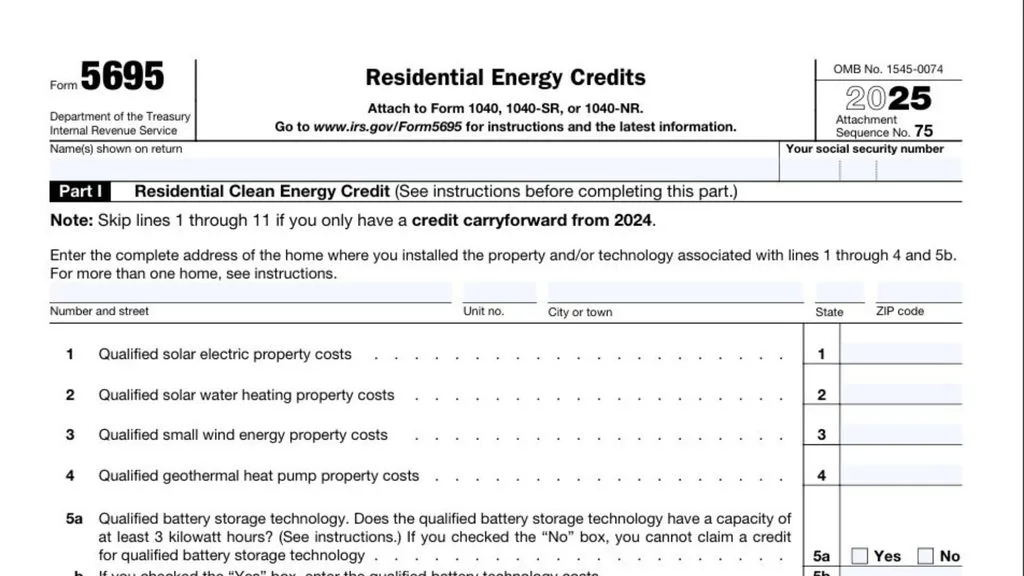
IRS Form 5695, Residential Energy Credits, is a tax form used by eligible homeowners to claim certain energy-related tax credits.
The form helps taxpayers calculate credits for qualifying residential energy improvements and report the information on their federal income tax return.
Energy credits are designed to encourage homeowners to invest in improvements that increase energy efficiency or use renewable energy sources.
Examples of improvements that may qualify include:
- Solar electric property
- Solar water heaters
- Qualified battery storage technology
- Certain energy-efficient home improvements
- Other eligible residential energy property
The exact requirements and credit amounts depend on the type of improvement, installation date, and current tax rules.
How Do Energy Tax Credits Work?
A tax credit directly reduces the amount of tax you owe. This is different from a tax deduction, which reduces the amount of income subject to tax.
For example, if you owe $2,000 in federal taxes and qualify for a $1,000 tax credit, your tax bill may be reduced to $1,000.
Energy tax credits can make qualifying home improvements more affordable by lowering the final tax amount.
However, taxpayers must meet specific requirements before claiming these benefits. Not every energy-related purchase qualifies for a tax credit.
What Expenses Can Be Reported On Form 5695?
IRS Form 5695 may apply to different types of residential energy improvements depending on current tax laws.
Common qualifying categories may include:
Solar Energy Systems
Homeowners who install qualifying solar electric systems may be able to claim a residential clean energy credit.
This can include certain costs related to equipment and installation.
Energy-Efficient Home Improvements
Some improvements that increase home energy efficiency may qualify for separate credits.
Examples may include qualifying insulation, windows, doors, and certain heating or cooling equipment.
Battery Storage Technology
Certain battery storage systems connected to qualifying energy systems may also qualify under applicable rules.
Because eligibility requirements change over time, homeowners should review current IRS guidance before filing.
Can Cash App Taxes Help With IRS Form 5695?
Cash App Taxes is a free tax filing service that helps users prepare and submit federal and state tax returns.
When available, tax software can guide users through questions about credits, deductions, and income information.
For energy credits, a taxpayer may need to answer questions about:
- The type of energy improvement installed
- Installation dates
- Amount paid
- Property information
- Eligibility requirements
If the software supports Form 5695 for the applicable tax year, it may help include the credit information during the filing process.
However, tax software does not determine whether an improvement qualifies. The taxpayer is responsible for providing accurate information.
Steps To Claim Energy Tax Credits Using Cash App Taxes
Step 1: Collect Your Energy Improvement Documents
Before starting your tax return, gather important records.
These may include:
- Purchase receipts
- Installation invoices
- Manufacturer certifications
- Contractor documents
- Energy equipment information
Keeping documentation helps support your claim if questions arise later.
Step 2: Confirm Your Eligibility
Before entering information into Cash App Taxes, check whether your improvement qualifies for an energy credit.
Important factors may include:
- Type of equipment installed
- Date the improvement was completed
- Location of the property
- Whether you meet ownership requirements
Step 3: Enter Energy Credit Information
During the tax preparation process, look for sections related to:
- Tax credits
- Home improvements
- Energy-efficient upgrades
- Renewable energy property
The software may ask questions that determine whether Form 5695 information applies.
Step 4: Review Your Tax Return
Before submitting your return, review all information carefully.
Check:
- Energy improvement costs
- Credit calculations
- Personal information
- Supporting documents
Accurate information helps reduce filing errors and processing delays.
Common Mistakes When Claiming Energy Credits
Many taxpayers make mistakes when claiming energy-related tax benefits.
Common issues include:
Claiming Non-Qualifying Improvements
Not every appliance, renovation, or home upgrade qualifies for an energy tax credit.
Missing Documentation
Receipts and certifications may be important for proving eligibility.
Using Incorrect Tax Year Rules
Energy credit rules can change, so taxpayers must follow the requirements for the specific year they are filing.
Confusing Credits And Deductions
A tax credit reduces your tax directly, while a deduction lowers taxable income.
IRS Form 5695 Vs Other Energy Tax Forms
Taxpayers sometimes confuse Form 5695 with other energy-related tax documents.
Form 5695 is specifically connected to residential energy credits.
Other energy programs or business-related incentives may require different forms or reporting methods.
Using the correct form helps ensure that credits are properly calculated and reported.
Benefits Of Claiming Energy Tax Credits
Energy tax credits can provide several potential advantages for qualifying homeowners.
Benefits may include:
- Lower federal tax liability
- Reduced cost of energy improvements
- Encouragement to invest in efficient technology
- Long-term household energy savings
Although tax credits can reduce costs, homeowners should consider the full financial impact of an improvement, including installation expenses and future savings.
Understanding IRS Form 5695 And Cash App Taxes
IRS Form 5695 and Cash App Taxes can work together as part of the tax filing process for homeowners claiming eligible energy credits. The form helps report qualifying residential energy improvements, while tax software can make the filing process easier.
However, understanding eligibility rules remains important. Taxpayers should keep records, verify qualifying expenses, and follow current IRS requirements before claiming energy tax benefits.
By learning how IRS Form 5695 works and how tax filing platforms handle energy credits, homeowners can better prepare their returns and make informed decisions about energy improvements.

FAQs
What Is IRS Form 5695 Used For?
IRS Form 5695 is used to claim certain residential energy credits for qualifying home energy improvements.
Can Cash App Taxes File Form 5695?
Cash App Taxes may guide users through supported tax credits, but availability depends on the tax year and filing situation.
Do Solar Panels Qualify For Energy Tax Credits?
Certain qualifying solar energy systems may be eligible for residential energy credits under current tax rules.
Is An Energy Tax Credit The Same As A Tax Deduction?
No. A tax credit reduces your tax bill directly, while a deduction reduces taxable income.