Is America Gaining Anything From Wars and Tariffs? Economic Effects Explained is a question that connects two major forces affecting the U.S. economy: military spending and trade policies. Wars and tariffs can influence government budgets, businesses, workers, consumers, inflation, and international relationships. Supporters of certain policies may argue that military investment can protect national interests, create jobs, or strengthen industries, while others point to the financial costs and economic disruptions caused by conflicts. Similarly, tariffs, which are taxes placed on imported goods, are often used to protect domestic industries, encourage local production, or respond to trade disputes. However, tariffs can also increase costs for companies and consumers when imported products become more expensive. Understanding the economic effects of wars and tariffs requires looking beyond short-term gains and examining factors such as government spending, trade revenue, supply chains, inflation, and long-term economic growth.
How Wars Affect The American Economy
Wars can create economic activity through increased government spending on defense, technology, manufacturing, and related industries. The U.S. defense sector supports millions of jobs through companies that produce military equipment, aircraft, technology systems, and other supplies.
Higher defense spending can increase demand for products and services from American companies. This spending may support industries in areas such as engineering, manufacturing, transportation, and research. Some communities with strong defense industries may experience economic growth because military contracts bring investment and employment opportunities.
However, wars also create significant economic costs. Government funds used for military operations are resources that cannot be used for other priorities, such as infrastructure, education, healthcare, or other public programs. Long conflicts can increase government debt and place pressure on federal budgets.
The economic impact of war can also extend beyond direct spending. Global conflicts may affect energy prices, supply chains, investment decisions, and international trade. Businesses may face uncertainty when political tensions increase, which can influence hiring and expansion plans.
Do Wars Create Economic Benefits For America?
The relationship between wars and economic growth is complex. Some industries may benefit from increased defense spending, but that does not necessarily mean the overall economy gains from conflict.
Economic growth depends on many factors, including productivity, innovation, consumer spending, trade, and investment. While defense-related industries may see increased demand, other sectors can experience negative effects from uncertainty, higher costs, or disrupted markets.
Historically, major conflicts have sometimes accelerated technological development. Military research has contributed to advancements in areas such as communication, transportation, and computing. However, these benefits often come alongside large financial costs and human consequences.
How Tariffs Impact The U.S. Economy
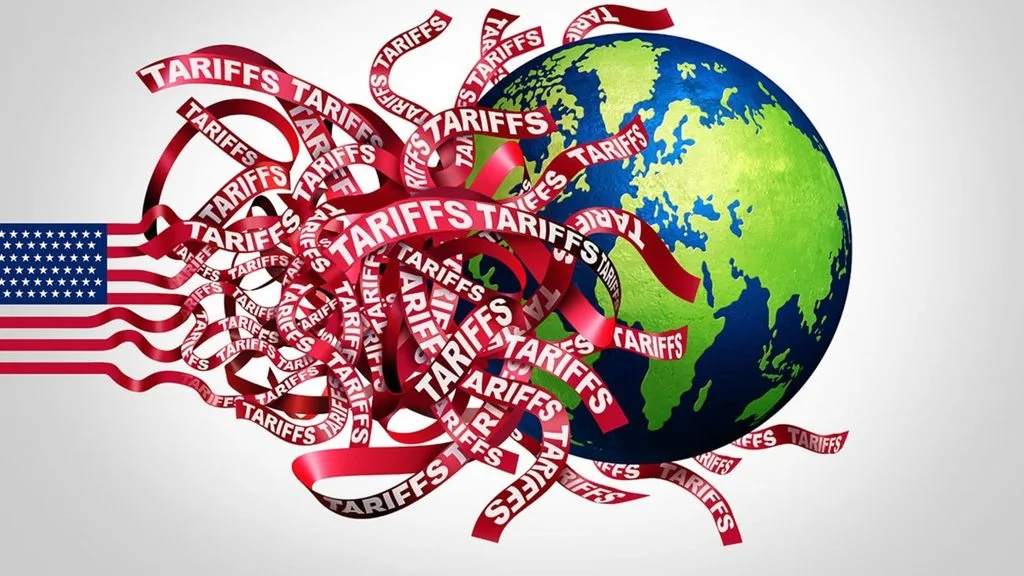
Tariffs are taxes placed on imported goods entering a country. The U.S. government may use tariffs to protect domestic manufacturers, reduce dependence on foreign suppliers, or address trade disagreements with other countries.
One possible benefit of tariffs is that they can make imported products more expensive, giving American companies a stronger position when competing in domestic markets. For example, a tariff on imported steel may provide support for U.S. steel producers by reducing competition from lower-priced foreign products.
Tariffs can also encourage companies to invest in domestic production. Businesses may decide to build factories or expand operations inside the United States to avoid additional import costs.
However, tariffs can have negative economic effects as well. When businesses pay higher costs for imported materials, they may increase prices for consumers or reduce investment. Industries that rely on global supply chains can face challenges when tariffs raise production expenses.
Do Tariffs Increase Government Revenue?
Tariffs generate revenue for the federal government because companies importing goods pay these taxes. This additional income can contribute to government funds.
However, the total economic effect depends on how tariffs influence trade volume, business costs, and consumer prices. If imports decline because of higher costs, tariff revenue may not increase as much as expected. Businesses and consumers may also absorb some of the financial impact through higher prices.
Tariffs are therefore not only a source of government revenue. They are also a tool used to influence trade behavior and economic policy.
The Connection Between Tariffs, Inflation, And Prices
One important economic concern related to tariffs is inflation. When imported goods become more expensive, companies may pass those costs to customers. This can affect prices for products such as electronics, machinery, vehicles, and household goods.
The effect of tariffs on inflation depends on several factors, including the size of the tariff, the availability of alternative suppliers, and how businesses respond. Some industries may adjust by finding new suppliers, while others may increase prices.
Consumers often experience these effects through changes in everyday expenses. Businesses must also consider changing costs when making decisions about production and pricing.
Are Wars And Tariffs Helping Or Hurting America?
The answer depends on the specific situation, economic goals, and time period being considered. Wars and tariffs can create benefits for certain industries, but they can also produce costs for taxpayers, businesses, and consumers.
Defense spending may support jobs and innovation, while tariffs may protect some domestic industries. At the same time, both policies can increase government expenses, affect market conditions, and create economic uncertainty.
Economists often examine these issues by looking at employment, inflation, trade balances, government debt, industrial growth, and consumer prices. There is no single measurement that captures every effect.
Understanding The Bigger Economic Picture
America’s economic performance is shaped by many factors beyond wars and tariffs. Technology, education, business investment, monetary policy, consumer confidence, and global markets all influence economic growth.
Wars and tariffs are powerful policy tools, but their results depend on how they are designed and managed. Examining both potential advantages and disadvantages helps create a clearer understanding of their role in the U.S. economy.
By looking at government spending, trade policies, inflation trends, and business impacts together, people can better understand how major decisions influence America’s financial future.
Related Keywords
- economic effects of wars in America
- impact of tariffs on U.S. economy
- U.S. trade policy explained
- tariffs and inflation impact
- benefits and costs of tariffs
- how wars affect the economy
- U.S. defense spending impact
- government revenue from tariffs
- tariffs and consumer prices
- American economy and global conflicts
- trade war economic effects
- U.S. economic policy analysis
- military spending and economic growth
- domestic industries and tariffs
- inflation caused by tariffs

FAQs
Do Tariffs Help The U.S. Economy?
Tariffs can support some domestic industries by making imported goods more expensive, but they may also increase costs for businesses and consumers.
Does War Increase Economic Growth?
War spending can increase activity in certain industries, but conflicts also create financial costs and economic challenges.
Does The U.S. Make Money From Tariffs?
Yes, tariffs generate government revenue, but their overall economic impact depends on trade changes, business costs, and consumer prices.
How Do Tariffs Affect Consumers?
Tariffs can increase the prices of some imported products when businesses pass higher costs to customers.