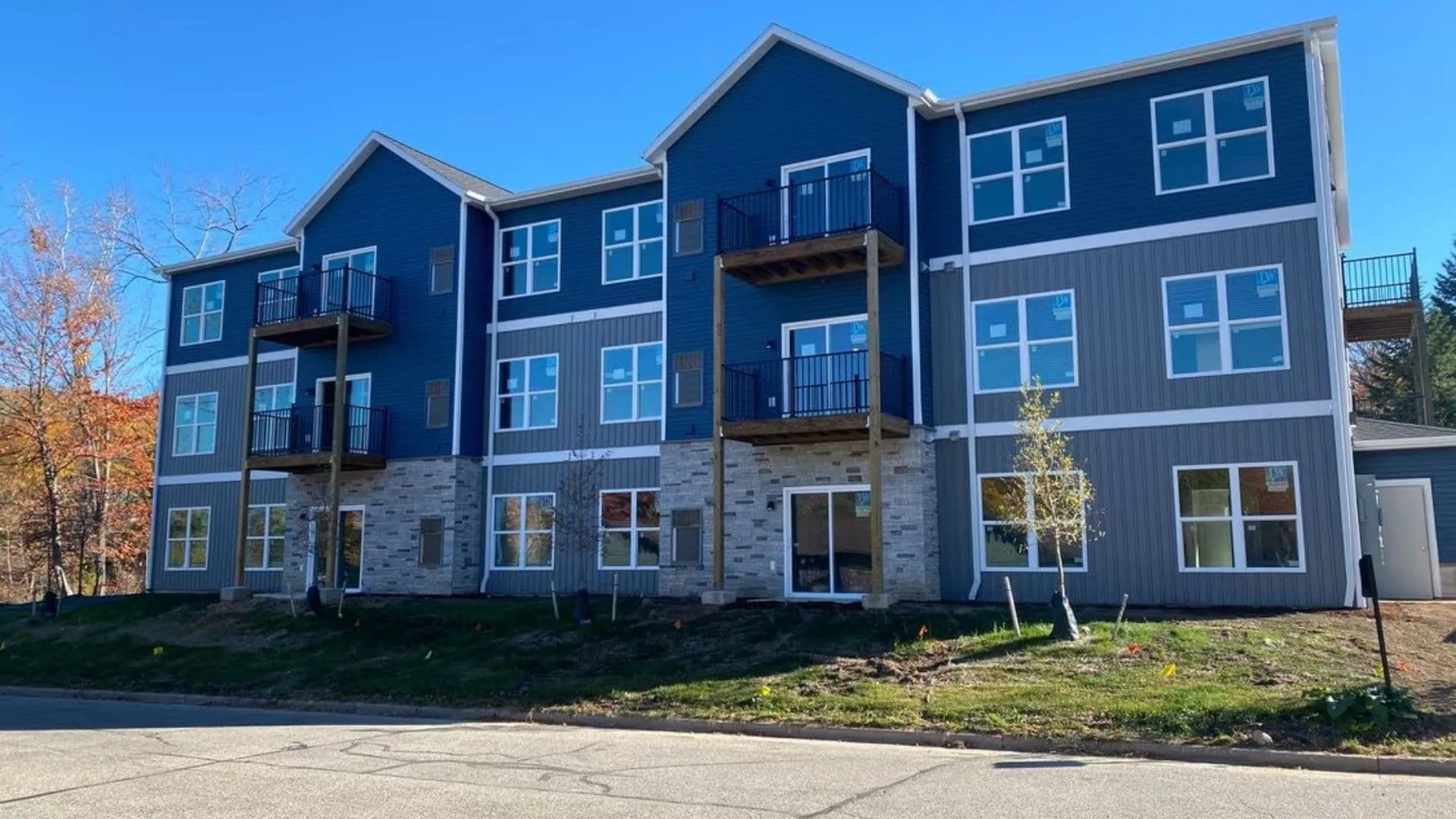
If you have ever wondered how affordable apartments actually get built in a market driven by high profits, the answer often lies in the Low Income Housing Tax Credit Program (LIHTC). This federal initiative is the engine behind millions of affordable rental units across the United States, providing a massive tax incentive for private developers to build or rehabilitate housing for low-income households. Instead of the government building public housing directly, the LIHTC program issues federal tax credits to state agencies, which then award them to developers who promise to keep rents affordable for decades. Whether you are a real estate investor curious about tax credit eligibility, a developer looking into financing affordable housing, or a tenant searching for income-restricted apartments, understanding how this program works is key to navigating the affordable housing landscape. In this article, we will unpack the complex world of LIHTC properties, explain the difference between the 9 percent and 4 percent credit, and show you why this 1986 tax reform is still the most powerful tool for creating workforce housing today.
How The Tax Credit Works
At its core, the Low Income Housing Tax Credit is a financial trade. The federal government gives state housing agencies a budget of tax credits based on their population. Developers then compete for these credits by proposing housing projects that meet specific affordability goals.
Once a developer wins an allocation of credits, they typically sell them to private investors (like banks or corporations) in exchange for immediate cash equity. This cash reduces the amount of debt the developer needs to borrow to build the project.
- Lower Debt: With less debt to pay back, the property does not need to charge high market-rate rents to break even.
- Lower Rents: The savings are passed on to tenants in the form of rent that is restricted to a percentage of the Area Median Income (AMI).
- Long-Term Commitment: In exchange for the credits, the property must remain affordable for at least 15 to 30 years (and often longer, depending on state rules).
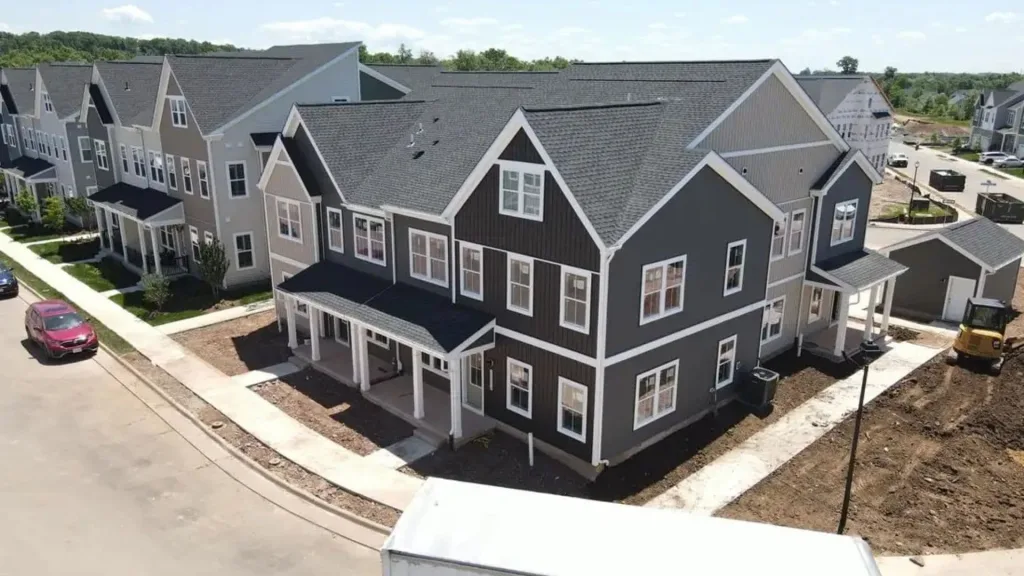
Who Qualifies For These Homes?
For tenants, “tax credit housing” means apartments that are high-quality but cost less than the luxury building down the street. However, you must prove you are eligible.
- Income Limits: Tenants generally must earn 60% or less of the Area Median Income (AMI). Some units target even lower incomes, like 30% or 50% of AMI.
- Rent Caps: Rents are set based on the number of bedrooms and the AMI, not on the tenant’s specific income. This is different from Section 8 vouchers, where rent changes if your income changes.
- Student Status: Full-time students are often ineligible unless they meet specific exceptions (like being a single parent or formerly in foster care).
The Two Types Of Credits: 9% vs. 4%
Not all tax credits are created equal. The program is split into two main categories, each serving a different development strategy.
The 9 Percent Credit
This is the “gold standard” of the program. It is highly competitive and generally covers about 70% of the construction costs of a new project.
- Best For: New construction projects that need a deep subsidy to be viable.
- Availability: Extremely limited. States receive a small pot of these credits each year, and developers fight hard to win them.
The 4 Percent Credit
This credit is less valuable, covering roughly 30% of project costs, but it is easier to get. It is automatically awarded to projects that are financed with tax-exempt private activity bonds.
- Best For: Acquisition and rehabilitation of existing buildings, or new construction that has other funding sources.
- Availability: Generally non-competitive, as long as the project secures the necessary bond financing.
Why It Matters For Communities
The Low Income Housing Tax Credit Program is widely considered the most successful affordable housing production tool in history. Since its creation in 1986, it has helped finance over 3.5 million apartments. By leveraging private investment rather than relying solely on government grants, the program ensures that affordable housing is built and maintained to high standards. Investors monitor the properties closely because if the building falls into disrepair or violates affordability rules, the IRS can “recapture” (take back) the tax credits—a financial disaster no investor wants.taxpolicycenter
Related Keywords
- LIHTC income limits 2026
- Affordable housing development financing
- Section 42 housing compliance
- Tax credit apartment application
- Qualified Allocation Plan (QAP)
- Area Median Income (AMI) rent chart
Frequently Asked Questions
Q: Can I use a Section 8 voucher in a tax credit apartment?
A: Yes. Property owners generally cannot refuse to rent to you simply because you have a Section 8 voucher, as long as you meet other screening criteria.
Q: Do LIHTC rents go down if my income goes down?
A: No. Unlike public housing, the rent is fixed based on the unit’s designated income bracket, not your personal salary.
Q: How long does a building stay “affordable”?
A: Federal law requires a minimum of 15 years (the “compliance period”) plus another 15 years (the “extended use period”), totaling 30 years. Many states require even longer commitments, sometimes up to 50 years or perpetuity.