Montana taxes is a topic every resident eventually needs to understand, and learning about Montana income taxes, state tax brackets, property taxes, and payment options can make your financial life far more predictable. This guide dives deeply into the Montana tax structure, including income tax regulations, property tax assessments, tax deductions, credits, filing requirements, and the best ways to pay what you owe. With no statewide sales tax—one of Montana’s most famous tax advantages—residents still need to keep track of local levies, property obligations, and annual filing rules. Whether you’re a longtime resident, a freelancer navigating state tax payments, a homeowner interpreting your property tax bill, or someone considering a move to Montana, having a clear breakdown of how the tax system works can help you budget, plan, and avoid unwanted surprises.
Overview Of Montana’s Tax Structure
Montana uses a progressive income tax system, meaning individuals with higher incomes pay higher percentages. This structure helps create a fairer distribution of tax responsibilities. In addition to income tax, the state also collects revenue through property taxes and specific use taxes, though residents benefit from the absence of a statewide sales tax.
Montana’s reliance on income and property taxes means taxpayers must understand how their money is assessed and where it goes. Schools, local governments, infrastructure projects, and public services all depend on tax revenue, making compliance essential for maintaining community services.

Montana State Income Tax In Detail
Montana’s income tax applies to wages, investment income, rental income, and certain other earnings. The progressive tax brackets typically include multiple tiers, starting at low percentages for lower-income households and rising steadily based on taxable income.
Income taxed by the state includes:
- Salaries and wages
- Capital gains
- Dividends
- Interest earnings
- Certain retirement income (with exemptions)
Residents must report income sourced from both within and outside the state, while nonresidents pay tax only on Montana-sourced income.
Montana Income Tax Rates
Though specific rates can shift slightly year to year, Montana historically uses several tax brackets ranging from low single digits to higher percentages for top earners. These brackets aim to match the state’s revenue needs with taxpayers’ ability to pay.
Taxpayers can reduce their taxable income by choosing between a standard deduction or itemizing allowable expenses, depending on which offers greater savings.
Filing Requirements In Montana
Most taxpayers must file a Montana state tax return if they meet minimum income thresholds. Requirements vary for full-time residents, part-year residents, and nonresidents. Generally, you should file a return if you:
- Earned taxable income in Montana
- Are a Montana resident with taxable income from any source
- Need to claim a refund of withheld taxes
Necessary forms include your W‑2s, 1099s, interest statements, and documentation for deductions or credits.
Property Taxes In Montana
Montana property taxes are determined at the county level, which means rates and billing schedules may vary. These taxes fund public schools, emergency services, road maintenance, and other essential local functions.
Property taxes are based on:
- The assessed market value of your property
- Classification of the property (residential, commercial, agricultural)
- Local mill levies established by county commissioners and school districts
Homeowners typically receive tax notices twice a year, with payments due in November and May.
Sales Tax in Montana
One of Montana’s most appealing tax features is the absence of a statewide sales tax. This attracts shoppers from neighboring states and keeps the overall cost of living lower. However, certain areas impose resort or tourism taxes, especially in high‑traffic destinations like Whitefish or Big Sky.
These local taxes usually apply to items such as:
- Hotel stays
- Restaurant meals
- Recreational services
- Luxury goods
For everyday purchases, though, residents enjoy tax‑free shopping statewide.
Montana Tax Deductions And Credits
To reduce tax burdens, Montana provides several deductions and credits that can significantly lower your final bill.
Common deductions and credits include:
- Standard or itemized deductions
- Elderly homeowner credits
- Energy‑efficiency upgrade credits
- College savings plan deductions
- Child and dependent care credits
Taking time to review these options can save you hundreds—or even thousands—at tax time.

How To File Your Montana Taxes
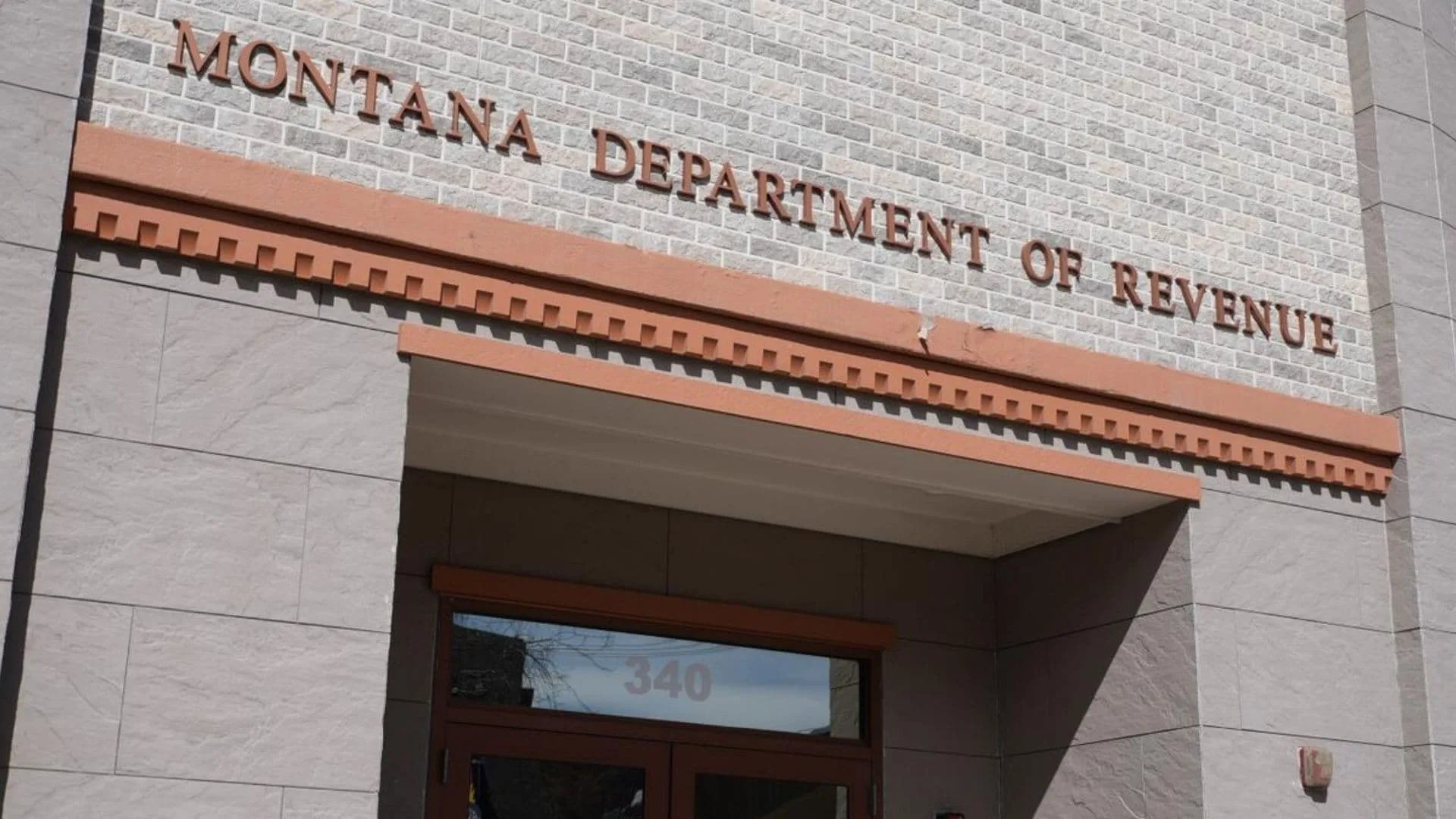
You can file your taxes through the Montana Department of Revenue’s TransAction Portal, which is the quickest and easiest method. The online system allows you to file returns, make payments, track refunds, and update tax information.
Filing options include:
- Online electronic filing
- Mail‑in paper returns
- Third‑party tax preparation software
Electronic filing is recommended for faster processing and immediate confirmation.
How To Pay Your Montana State Taxes
Montana offers taxpayers several convenient ways to submit payments:
- Online payments via bank transfer or debit/credit card
- Mail‑in checks or money orders
- Pre‑scheduled automatic payments
- Quarterly estimated tax payments for self‑employed individuals
- Payment plans for eligible taxpayers
The state’s digital portal makes it easy to view past payments, set reminders, and track obligations.
Penalties For Late Payment Or Filing
Missing tax deadlines can lead to:
- Late filing fees
- Interest on unpaid amounts
- Additional penalties after prolonged nonpayment
- Potential liens or collection actions
Filing early—even if you can’t pay immediately—can help minimize penalties.
Final Thoughts
Montana’s blend of progressive income taxes, county‑based property taxes, and the absence of a statewide sales tax creates a unique and manageable tax environment for residents. With a clear understanding of rates, deductions, and payment options, anyone can navigate Montana taxes confidently and plan their finances with ease throughout the year.
FAQs
What Is The Income Tax Rate In Montana?
Montana uses progressive tax brackets that increase based on taxable income.
Does Montana Have A State Sales Tax?
No, Montana does not impose a general statewide sales tax.
How Can I Pay Montana State Taxes?
You can pay online, by mail, or through scheduled payment plans offered by the Department of Revenue.