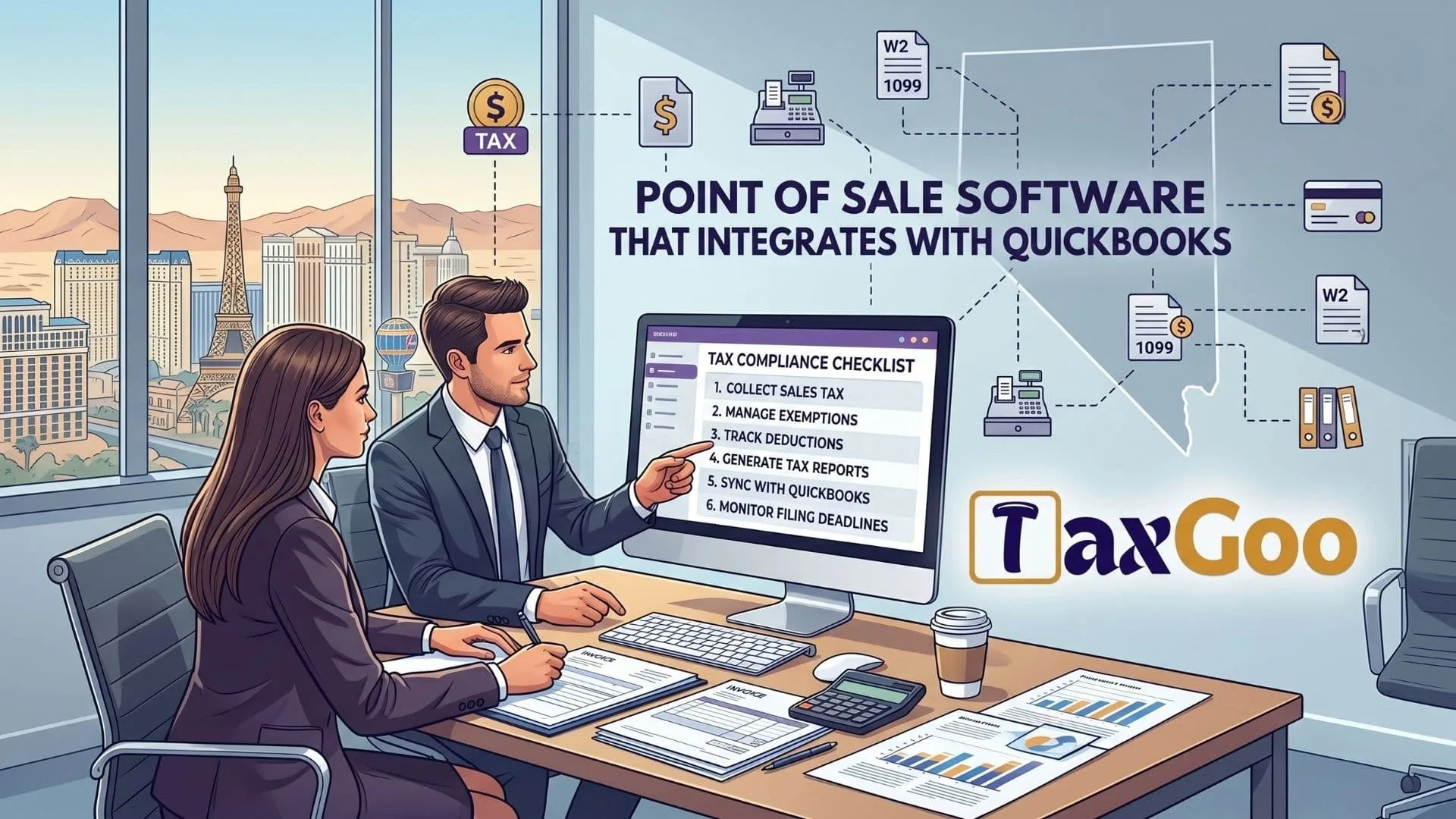
If you are searching for Point Of Sale Software That Integrates With QuickBooks, you are probably looking for a smarter way to connect sales, payments, inventory tracking, customer management, retail reporting, and accounting without wasting hours on manual data entry. The best point of sale software that integrates with QuickBooks helps businesses bring together checkout operations, financial records, stock updates, tax tracking, receipt management, and business insights in one connected workflow, which means fewer errors, faster bookkeeping, clearer reporting, and a much easier way to manage daily transactions across stores, counters, mobile sales, or service locations.
Why This Software Matters
A connected point of sale and accounting system helps businesses reduce duplicate work and improve accuracy across everyday operations. When sales data moves smoothly into QuickBooks, business owners can spend less time fixing numbers and more time managing growth, customer service, and inventory decisions.
For retailers, restaurants, service businesses, and multi-location brands, this connection can simplify the messy middle between making a sale and recording it properly. Instead of juggling spreadsheets, handwritten notes, and disconnected apps, teams can work with cleaner records and a more reliable financial picture.
What It Usually Does
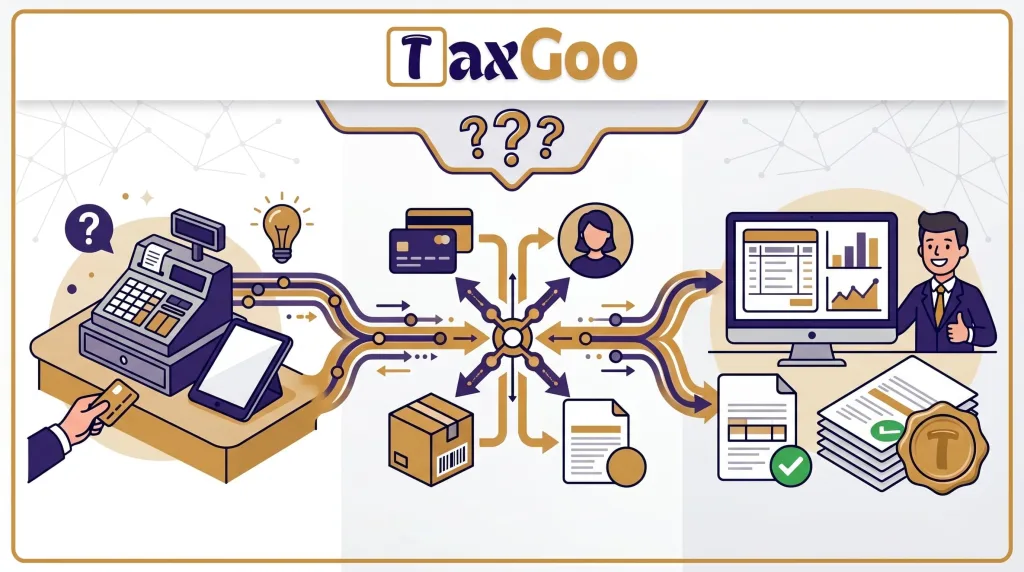
Point of sale software that integrates with QuickBooks typically combines front-end selling tools with back-office financial organization. That means your business can process payments, track products, monitor stock levels, manage returns, and send transaction details into QuickBooks with less manual effort.
Common features often include:
- Payment processing for card, cash, contactless, and mobile transactions.
- Inventory tracking with product counts, low-stock alerts, and SKU management.
- Sales reporting with daily, weekly, and product-level performance data.
- Customer profiles for purchase history, loyalty activity, and repeat business insights.
- Tax and receipt management that supports cleaner recordkeeping.
- Multi-user and multi-location support for growing operations.
Benefits For Growing Businesses
One major advantage is time savings. A business that connects its point of sale software with QuickBooks can reduce repetitive admin work and cut down on the small mistakes that happen when staff re-enter numbers by hand.
Another benefit is better visibility. When sales, expenses, taxes, and product movement are easier to track, owners and managers can make faster decisions about pricing, staffing, restocking, and promotions.
This setup also improves consistency. Teams across finance, operations, and customer service can work from the same core data instead of comparing conflicting reports from different systems.

Features To Look For
Not every platform offers the same level of compatibility or business value, so choosing carefully matters. Some tools only sync basic sales totals, while others support deeper connections that include inventory, tax categories, customer data, refunds, and payment reconciliation.
Look for features like these when comparing options:
- Real-time or scheduled QuickBooks syncing.
- Product and inventory mapping.
- Sales tax support.
- Refund and return tracking.
- Employee permissions and register controls.
- Offline selling capability.
- Custom reporting dashboards.
- E-commerce and in-store sales syncing.
- Barcode scanning and receipt printing.
- Loyalty, discounts, and promotional tools.
A good fit should match how your business actually sells. A busy retail store, a food business, and a field service team may all need different workflows, hardware, and reporting detail.
Who Should Use It
This type of software can be useful for many business models. Retail stores often need strong inventory and barcode support, while cafes and restaurants may care more about fast checkout, menu management, and receipt flow.
Service-based businesses can also benefit if they take payments on-site or at a front desk. Even small businesses with a single location can gain value from having transactions and accounting records connected from the start.
It is especially helpful for businesses that:
- Want to reduce manual bookkeeping.
- Need accurate sales and tax records.
- Sell both in person and online.
- Manage a large or changing inventory.
- Operate with multiple staff members or locations.
- Need better financial visibility without adding more admin work.
How The Integration Helps Daily Operations
In day-to-day use, the real benefit is not just convenience, it is operational clarity. Staff can complete sales normally at the register while managers and accountants receive cleaner information inside QuickBooks for reconciliation, reporting, and month-end review.
For example, a clothing store can sell products through its point of sale system, update stock counts automatically, record taxes correctly, and push the transaction data into QuickBooks without manually rebuilding the sale later. That kind of connected workflow saves time and makes it easier to trust the numbers.
Common Challenges To Watch For
Even a strong platform can create friction if setup is rushed. Product categories may sync incorrectly, tax settings can be mismatched, and duplicate entries can appear if the workflow is not configured properly.
Before choosing a system, check how the integration handles:
- Refunds and exchanges.
- Inventory adjustments.
- Sales tax rules.
- Payout reconciliation.
- Multi-location reporting.
- Historical data imports.
- Third-party app compatibility.
It is also wise to confirm whether the sync is one-way or two-way. That detail can affect how much control you have over updates between your point of sale platform and QuickBooks.
How To Choose The Right Option
Start with your business model and daily process, not just the feature list. The right platform should support how you sell, what you track, and who needs access to the data.
A simple way to evaluate options is to ask these questions:
- Does it integrate reliably with the QuickBooks version you use?
- Can it handle your inventory complexity?
- Does it support your payment methods and hardware?
- Is the reporting clear enough for daily decisions?
- Can your team learn it quickly?
- Will it still fit if your business expands?
Price matters, but workflow fit matters more. A cheaper system that causes accounting confusion or inventory errors can cost far more in lost time and cleanup.
Best Practices For Implementation
Once you choose a platform, take time to set it up properly. A clean rollout can prevent reporting issues and save many hours later.
Follow these practical steps:
- Organize your product catalog before importing.
- Review tax settings carefully.
- Match categories and account mappings correctly.
- Test several transaction types, including refunds.
- Train staff on checkout and exception handling.
- Reconcile early reports with QuickBooks to catch issues fast.
A short testing phase is much better than discovering data problems after a busy sales week.
FAQs
What Is QuickBooks Integration?
It is a connection that sends sales and financial data from your point of sale system into QuickBooks automatically or on a schedule.
Why Does A Business Need It?
It saves time, reduces manual entry, and helps keep accounting records more accurate.
Can Small Businesses Use It?
Yes. Small businesses often benefit because they need simple operations and cleaner bookkeeping without adding extra admin work.
Does It Help With Inventory?
Yes. Many systems update stock levels as sales happen, which helps businesses track products more accurately.
Would you like me to turn this into a more search-optimized blog post format with a meta title, meta description, slug, and table of contents structure?