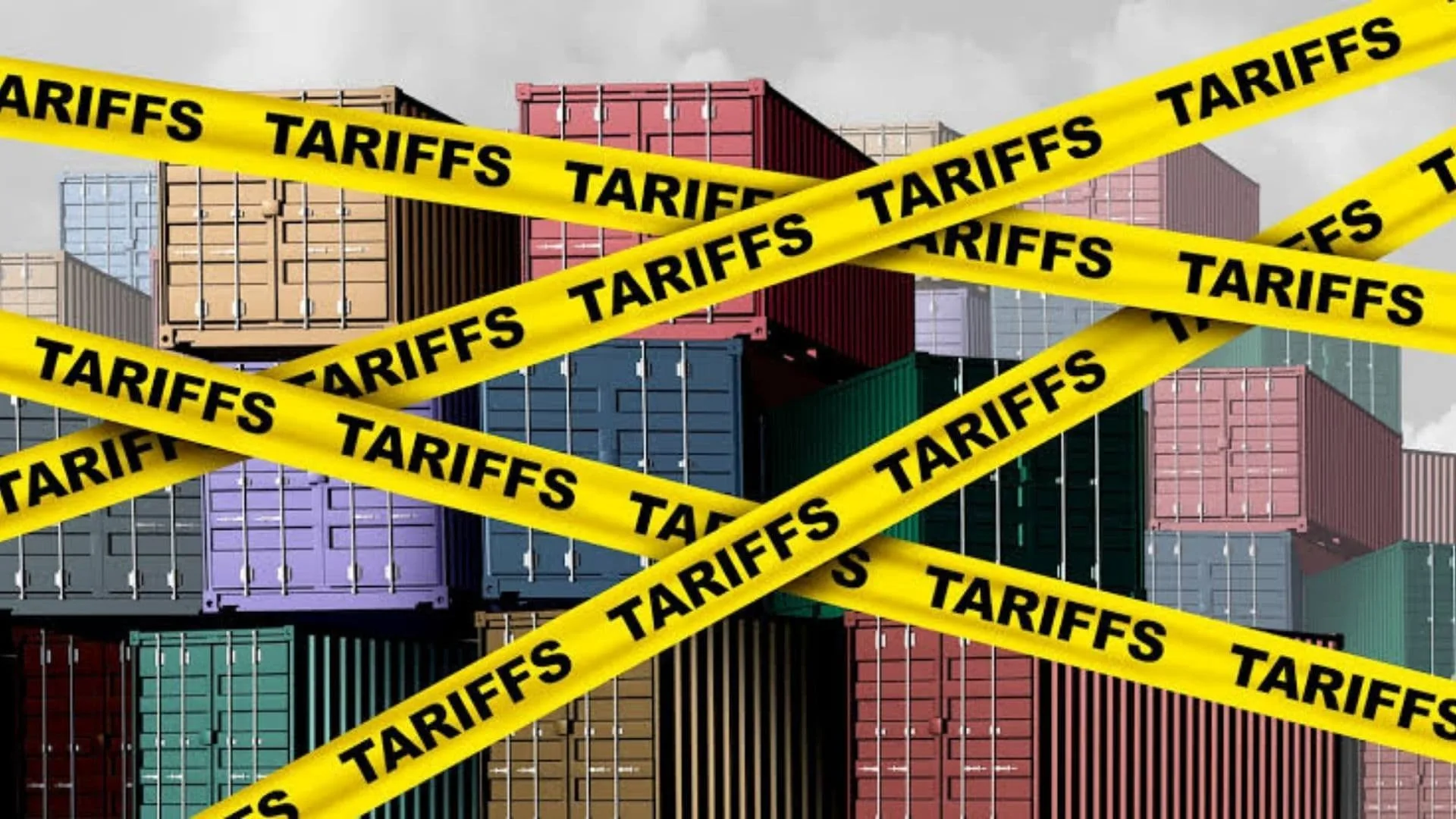
Revenue Through Tariffs Vs. Damage To Export Revenue is a debate that sits at the center of modern trade policy, government finance, and international economics. At first glance, tariffs seem attractive because they create a direct source of public revenue while also giving domestic producers a little extra protection from foreign competition. A government places a tax on imported goods, importers pay the charge, and the treasury collects money. However, the story becomes more complicated when tariffs trigger higher prices, reduced demand, retaliatory trade measures, supply chain disruptions, and falling export sales. Tariff revenue may provide an immediate financial boost, but damage to export revenue can gradually weaken businesses, reduce foreign investment, limit job creation, and shrink the broader tax base. This makes the comparison between tariff income and export losses more than a simple accounting exercise. It requires policymakers to examine consumer costs, business competitiveness, currency movements, trade relationships, employment, and the long-term health of the economy.
How Tariff Revenue Works
A tariff is a tax placed on goods entering a country. Importers usually pay the tariff at the border, then decide whether to absorb the cost, raise prices, negotiate with suppliers, or reduce the quantity of goods they bring into the country. The government receives revenue from these payments, which can support public services, infrastructure, debt repayment, or other spending priorities.
For countries with large import markets, tariffs can produce significant short-term income. They may also appeal to voters who want stronger support for domestic industries. A tariff can make imported products more expensive, potentially giving local manufacturers an opportunity to compete more effectively.
However, tariff revenue is not free money. Importers often pass some or all of the cost to retailers and consumers. As prices rise, households may spend less on other products. Companies that rely on imported materials may face higher production costs, which can reduce profits or make their goods less competitive at home and abroad.
Why Export Revenue Matters
Export revenue is the money businesses and countries earn by selling goods and services to international customers. It supports business expansion, employment, foreign currency earnings, investment, and economic growth. Strong exports can help a country pay for imports, stabilize its currency, and build productive industries.
Exporters often depend on predictable access to foreign markets. When tariffs create political tension, trading partners may respond with their own import taxes. These retaliatory tariffs can target politically important products, such as agricultural goods, automobiles, machinery, or technology. As a result, exporters may lose customers not because their products suddenly became worse, but because their prices became less attractive.
For example, if one country imposes tariffs on imported steel, another country may respond by taxing agricultural exports. The first government may collect tariff revenue from steel imports, but farmers could lose international buyers and suffer a much larger decline in export earnings.
The Short-Term Gain And Long-Term Cost
The central challenge is timing. Tariff revenue is usually visible quickly, while export damage may appear slowly. Governments can immediately report new customs revenue, but businesses may need months or years to lose contracts, relocate production, reduce hiring, or abandon foreign markets.
This delay can make tariffs look more successful than they are. A government may celebrate increased revenue while overlooking declining export orders, weaker business investment, and rising costs for domestic manufacturers. If tariffs remain in place, companies may redesign supply chains or move production to other countries. Once those commercial relationships disappear, they can be difficult to rebuild.
The economic outcome also depends on how trading partners respond. If other countries impose matching tariffs, exporters may face a broad decline in market access. In that situation, every dollar collected through tariffs could be associated with several dollars in lost export revenue and reduced economic activity.
When Tariffs Can Be Justified
Tariffs are not always harmful. They may be justified in limited situations, especially when a government wants to protect national security, respond to unfair trade practices, or support a strategic industry during a temporary adjustment period. A carefully designed tariff can give domestic companies time to invest, improve productivity, and become more competitive.
The key words are carefully designed and temporary. Tariffs that remain indefinitely can protect inefficient businesses without encouraging innovation. They may also create dependence on government support. Clear goals, regular reviews, and realistic timelines can reduce these risks.

In some cases, tariff revenue can be used to help affected workers and companies. Funds might support retraining, research, infrastructure, or productivity improvements. This approach is more constructive than using tariff income simply to cover unrelated spending.
Measuring The Real Economic Impact
To compare tariff revenue with damage to export revenue, policymakers need to examine more than customs receipts. A broader assessment should include consumer price increases, lost export sales, reduced investment, employment changes, supply chain costs, and retaliatory measures.
It is also important to identify who pays. Although tariffs are charged on imported goods, the financial burden may fall on domestic consumers, manufacturers, retailers, or exporters. A tariff can raise government income while still reducing overall national income.
Economic models can estimate these effects, but real-world results depend on product demand, available substitutes, exchange rates, business decisions, and the response of foreign governments. This is why simple claims that tariffs are either always beneficial or always damaging often miss the bigger picture.
Finding A Better Balance
The strongest trade policy usually balances revenue needs with economic competitiveness. Governments seeking additional income may consider broader tax reforms, improved compliance, or targeted domestic taxes instead of relying heavily on import duties. These options may create revenue without provoking the same level of retaliation.
If tariffs are introduced, policymakers should communicate their purpose clearly and monitor their consequences. Businesses need certainty, exporters need stable market access, and consumers need protection from unnecessary price shocks. A tariff strategy that collects money but damages productive industries may ultimately weaken the economy it was meant to strengthen.
In the end, tariff revenue can be useful, but it should not be judged in isolation. The real question is whether the income collected at the border is greater than the value lost through weaker exports, higher prices, reduced investment, and damaged trade relationships. A successful policy should support long-term economic resilience rather than deliver a short-term headline.
Frequently Asked Questions
Do Tariffs Increase Government Revenue?
Yes, tariffs can increase government revenue by taxing imported goods. However, the gains may be reduced if imports fall, consumers face higher prices, or trading partners impose retaliatory tariffs.
Can Tariffs Damage Export Revenue?
Yes. Other countries may respond with their own tariffs, making exported goods more expensive and less competitive in foreign markets.
Who Pays For Tariffs?
Importers pay tariffs at the border, but the cost may be passed on to consumers, retailers, manufacturers, or exporters through higher prices and reduced demand.
Are Tariffs Always Bad For The Economy?
No. Temporary and targeted tariffs may support strategic industries or address unfair trade practices. Their success depends on design, duration, and the response of trading partners.
What Is More Important, Tariff Revenue Or Export Revenue?
Both matter, but export revenue often has broader long-term benefits because it supports jobs, investment, business growth, and international competitiveness.