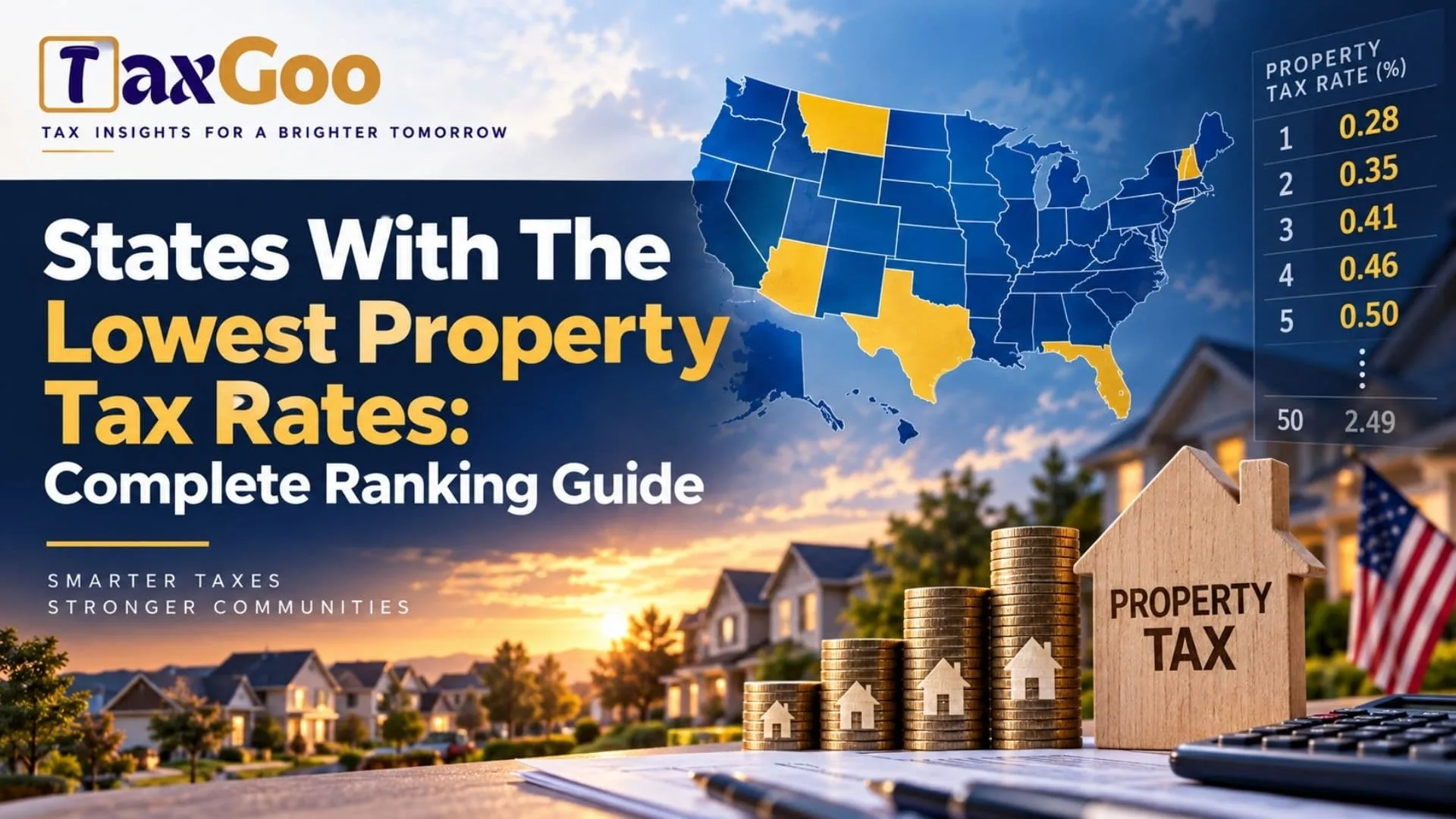
States With The Lowest Property Tax Rates: Complete Ranking Guide explains how property tax differences across the United States can affect homeowners, buyers, and long-term financial planning. Property taxes are one of the biggest ongoing costs of owning a home, and understanding states with the lowest property tax rates can help people compare housing expenses more effectively. Property tax rates vary widely because each state and local government uses different systems to fund schools, public safety, infrastructure, and community services. States with lower effective property tax rates may offer financial advantages for homeowners, but other factors such as home prices, insurance costs, income taxes, and local fees also influence the total cost of living. This complete ranking guide explores the lowest property tax states, explains how effective property tax rates work, and highlights important factors to consider when comparing property taxes across America. Recent property tax comparisons often place states such as Hawaii and Alabama among those with the lowest effective property tax rates, although actual costs can vary based on property values and local rules.
How Property Tax Rates Are Calculated
Property tax rates are usually calculated as a percentage of a property’s assessed value. The effective property tax rate shows the relationship between the annual property tax bill and the home’s market value.
For example, if a home is worth $300,000 and the annual property tax bill is $3,000, the effective property tax rate would be approximately 1%.
A state may have a low property tax rate but higher home prices, which can still result in a significant annual tax bill. This is why homeowners should look at both tax rates and actual dollar costs.
Property taxes are generally collected by local governments rather than states directly. Cities, counties, and school districts often determine how much funding is needed for public services.
Top States With The Lowest Property Tax Rates
Property tax rankings can change depending on the measurement used, such as effective tax rates, average tax bills, or median property values. Recent rankings often identify several states with relatively low effective property tax rates.
1. Hawaii
Hawaii often ranks among the states with the lowest property tax rates in the country. Its effective property tax rate is among the lowest nationwide.
However, Hawaii also has some of the highest home prices in the United States. This means homeowners may still pay a significant amount in property taxes even with a low percentage rate.
The state’s unique housing market shows why property tax rates should always be considered together with property values.
2. Alabama
Alabama is another state known for relatively low property tax rates. Many homeowners benefit from lower annual property tax bills compared with states that have higher effective rates.
The state also offers various exemptions and local programs that may reduce property tax costs for eligible homeowners.
Affordable housing prices combined with lower property taxes make Alabama attractive for some buyers looking at overall housing expenses.
3. Nevada
Nevada has relatively low effective property tax rates compared with many states. The state does not have a broad individual income tax, which can influence overall tax comparisons.
Property tax costs vary between Nevada communities because local governments determine additional rates and assessments.
Cities such as Las Vegas and Reno have experienced population growth, making housing costs and property taxes important considerations for new residents.
4. Arizona
Arizona is another state with comparatively low property tax rates. The state’s property tax system includes limits and regulations designed to control increases.
Growing communities in Arizona have attracted homeowners because of factors such as climate, employment opportunities, and housing options.
However, rising property values can affect future property tax bills even when tax rates remain relatively low.
5. Colorado
Colorado has historically maintained lower effective property tax rates compared with many states. The state’s property tax system is influenced by property assessments, local budgets, and state regulations.
Although Colorado has lower property tax rates, many areas have experienced rising home prices, which can increase annual tax payments.
Homebuyers should consider both the tax percentage and the overall housing market.
Other States With Low Property Taxes
Several other states are often included among those with lower property tax rates, including:
- Idaho
- Wyoming
- Utah
- Delaware
- South Carolina
- Tennessee
- West Virginia
The exact ranking can change depending on whether the comparison focuses on tax rates, average bills, or home values.
Why Some States Have Lower Property Taxes
States with lower property tax rates often have different approaches to funding public services. Several factors influence property taxes, including:
Local Government Budgets
Communities with lower spending requirements may collect less property tax revenue.
Property Values
States with higher home values may have lower tax rates while still generating enough revenue.
State Tax Policies
Some states rely more heavily on other revenue sources, such as sales taxes, income taxes, tourism revenue, or business taxes.
Assessment Rules
Each state has different methods for determining property values, exemptions, and reassessment schedules.
Low Property Taxes Do Not Always Mean Lower Total Costs
A state with low property taxes may still have higher overall living expenses. Homeowners should consider additional costs such as:
- Home insurance
- Mortgage payments
- Utility costs
- Sales taxes
- Income taxes
- Maintenance expenses
For example, a state with a low property tax rate but expensive housing may not always be cheaper than a state with a higher tax rate and more affordable homes.
Property Tax Benefits For Homeowners
Lower property taxes can provide several financial benefits:
- Reduced annual housing expenses
- Lower long-term ownership costs
- More predictable monthly budgets
- Greater affordability for retirees and fixed-income households
Many states also offer property tax exemptions for certain groups, including seniors, veterans, and eligible homeowners.
Understanding available tax relief programs can help reduce property expenses.
How Property Taxes Affect Real Estate Decisions
Property taxes are an important factor for homebuyers, investors, and businesses.
A buyer comparing multiple states may consider property taxes alongside employment opportunities, housing prices, education, and lifestyle preferences.
Real estate investors also evaluate property taxes because they affect rental income, operating costs, and investment returns.
Choosing A State Based On Property Taxes
Finding the state with the lowest property tax rate depends on individual financial goals. A homeowner looking for affordability may prioritize low annual bills, while another buyer may focus on job opportunities or housing availability.
The best comparison includes the complete financial picture, not only one tax category.
Understanding states with the lowest property tax rates helps homeowners make better decisions about where to live, buy property, or invest.
FAQs
Which State Has The Lowest Property Tax Rate?
Hawaii is often ranked among the states with the lowest effective property tax rates in the U.S.
Are Low Property Taxes The Same As Cheap Housing?
No. A state can have low property taxes but high home prices, which may increase overall housing costs.
Do All States Have Property Taxes?
Yes. All states have some form of property taxation, although rates and rules vary by location.
Can Property Taxes Increase After Buying A Home?
Yes. Property taxes can change due to reassessments, rising property values, or local government budget decisions.