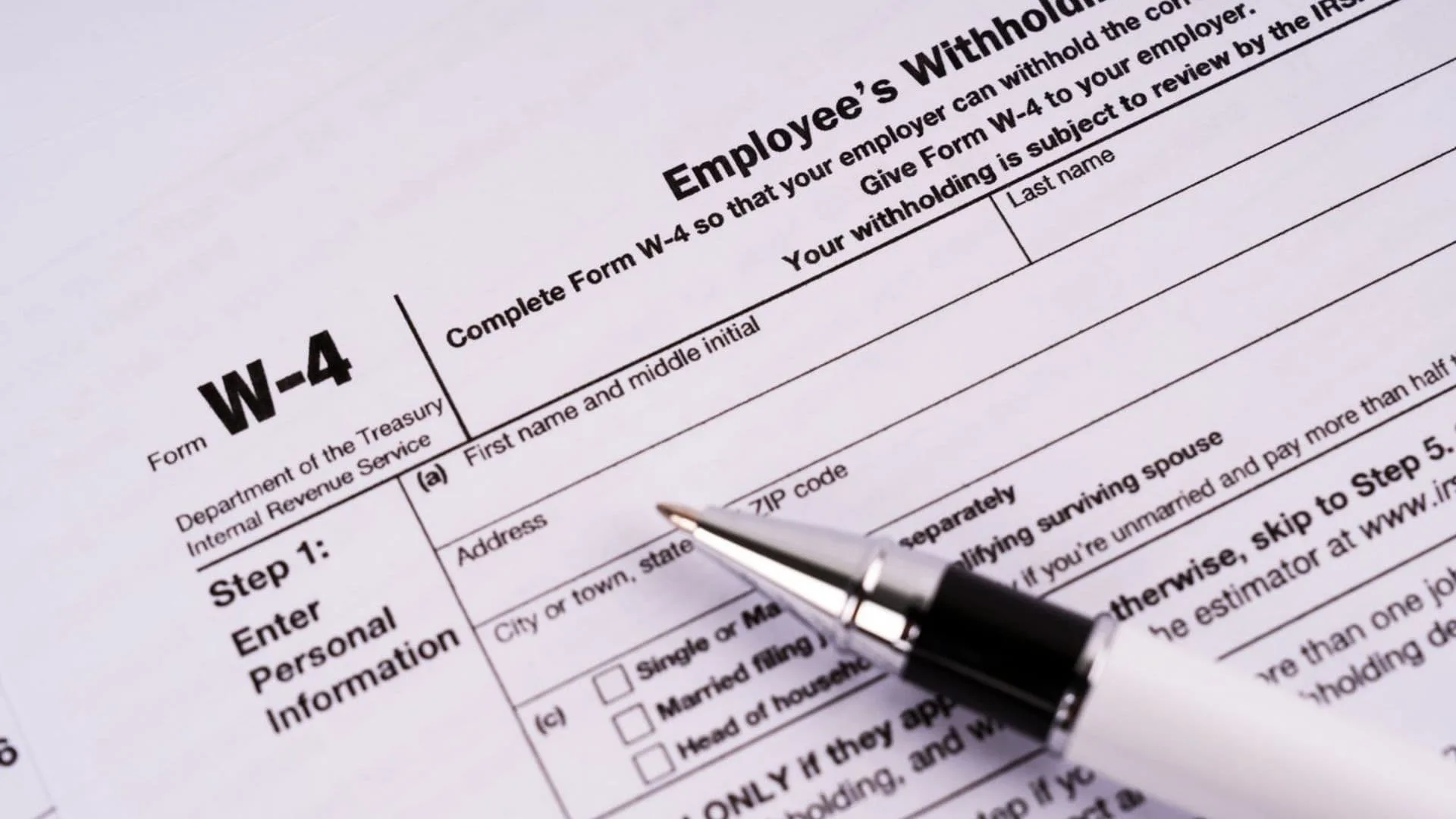
Understanding your paycheck starts with knowing how your tax forms work, and the title W4 Exempt Status: What It Means And How It Affects Your Taxes explains an important option found on Form W-4. W4 exempt status allows eligible employees to request that their employer does not withhold federal income tax from their paychecks during the year. While this option may sound appealing because it can increase take-home pay, it is only available for certain taxpayers who meet specific requirements. Choosing exempt status on a W-4 form means you are telling your employer that you expect to have no federal income tax liability for the current tax year. Understanding W-4 exemptions, federal withholding rules, and eligibility requirements can help you avoid unexpected tax problems. Many employees confuse exempt status with other tax deductions or credits, but it is a specific withholding choice that directly impacts how much money is removed from each paycheck.
What Is W4 Exempt Status?
W4 exempt status means that an employee qualifies to have no federal income tax withheld from their wages. When you claim exempt on Form W-4, your employer will generally stop taking out federal income tax from your paycheck.
However, being exempt from federal income tax withholding does not mean you are permanently free from paying taxes. It only affects the amount withheld from your paycheck during the year. If your financial situation changes and you no longer qualify, you may need to update your W-4 form to avoid owing taxes later.
The IRS has specific rules for claiming exempt status. Employees typically need to meet two conditions: they had no federal income tax liability in the previous tax year and they expect to have no federal income tax liability in the current year.
Who Can Claim Exempt Status On A W-4?
Not every employee can select exempt status. The option is designed for taxpayers who are unlikely to owe federal income tax.
For example, a person with a low enough income may qualify if their earnings fall below the federal filing threshold. A student, part-time worker, or individual with limited annual income may sometimes meet the requirements.
On the other hand, employees with higher earnings, multiple sources of income, or significant taxable income usually do not qualify. Claiming exempt status without meeting the requirements can lead to an unexpected tax balance when filing a tax return.
How To Claim W4 Exempt Status
To claim exempt status, employees must complete a new Form W-4 and provide the required information. The form includes a section where eligible taxpayers can indicate that they are exempt from federal income tax withholding.
After submitting the updated W-4 to an employer, the payroll department will adjust paycheck calculations. This means federal income tax will no longer be deducted from wages during the period that the exemption applies.
It is important to remember that Form W-4 information should always reflect your current financial situation. If your income increases or your circumstances change, reviewing your withholding settings can help you stay prepared.
Difference Between Exempt Status And Tax-Free Income
A common misunderstanding is that W4 exempt status means all income is tax-free. This is not correct. The exemption only changes federal income tax withholding from your paycheck.
Your wages may still be subject to other deductions, including Social Security and Medicare taxes. State income tax withholding may also continue depending on where you live and your state’s rules.
The difference between withholding and tax responsibility is important. Withholding is simply the amount of money sent to the government throughout the year on your behalf. Your actual tax liability is calculated when you complete your tax return.
Risks Of Claiming Exempt Status Incorrectly
Claiming exempt status when you do not qualify can create financial challenges. Since no federal income tax is withheld from your paycheck, you may discover that you owe a larger amount when tax season arrives.
In some cases, taxpayers may also face penalties if they do not pay enough tax during the year. Reviewing your income, deductions, and overall tax situation before selecting exempt status can help prevent these issues.
If you are unsure whether you qualify, using an IRS withholding calculator or speaking with a qualified tax professional can provide additional guidance.
When Should You Review Your W-4?
Your W-4 should be reviewed whenever your financial circumstances change. A new job, salary increase, marriage, divorce, additional income, or changes in dependents can all affect your withholding needs.
Even if you previously qualified for W4 exempt status, your eligibility may change from one year to the next. Updating your Form W-4 regularly helps ensure your paycheck deductions match your current situation.

Final Thoughts On W4 Exempt Status
W4 exempt status can be a helpful option for eligible employees who expect to owe no federal income tax, but it requires careful consideration. Understanding Form W-4 exemptions, federal tax withholding, and eligibility requirements can help you make informed decisions about your paycheck. While claiming exempt may increase your take-home pay temporarily, it is important to confirm that you meet the requirements and review your status whenever your financial situation changes.
Related Keywords:
W4 exempt status, exempt on W-4 form, how to claim exempt on W-4, federal income tax withholding exemption, W-4 exemption rules, employee withholding form, tax withholding status, who can claim exempt on W-4, paycheck withholding exemption, IRS W-4 instructions, tax form exemptions
Frequently Asked Questions
What Does W4 Exempt Status Mean?
It means no federal income tax is withheld from your paycheck.
Who Can Claim Exempt On A W-4?
Employees who meet IRS requirements for having no federal income tax liability.
Does Exempt Mean I Do Not Pay Taxes?
No, it only affects federal income tax withholding.
Can I Change My W-4 Exempt Status?
Yes, you can submit a new W-4 when your situation changes.