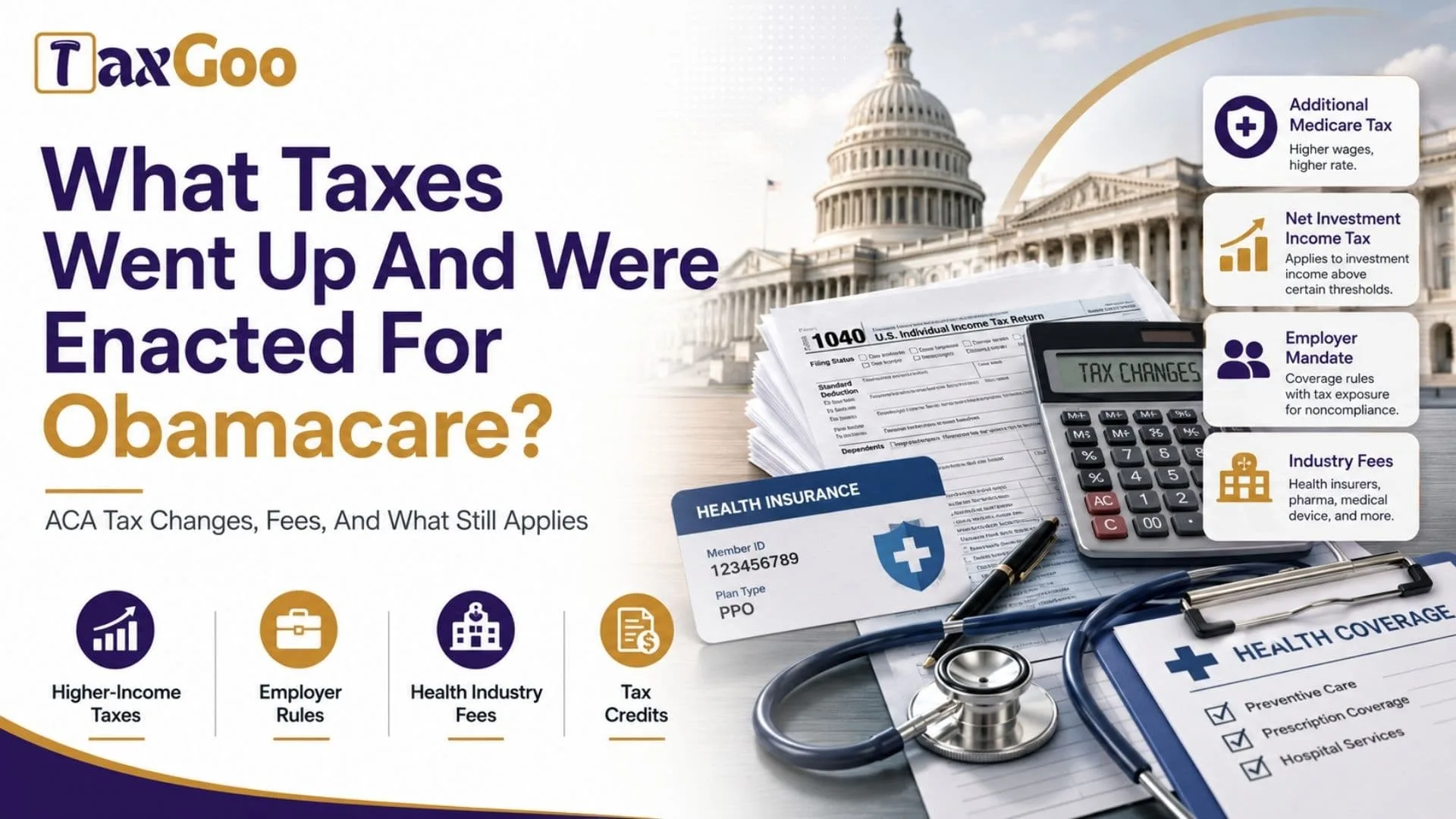
The question what taxes went up and were enacted for Obamacare refers to the revenue provisions created or changed by the Affordable Care Act, commonly called the ACA or Obamacare, after it became law in 2010. The legislation affected individual taxpayers, high-income households, employers, health insurers, pharmaceutical companies, medical-device manufacturers, tanning salons, and sponsors of certain health plans. Its most recognizable provisions included the 0.9 percent Additional Medicare Tax, the 3.8 percent Net Investment Income Tax, the individual mandate payment, employer shared responsibility payments, and several health-industry excise taxes and fees. However, the original list no longer represents current law perfectly. Some ACA taxes remain active, some were reduced to zero, and others were delayed or repealed before fully taking effect. Understanding that timeline is important because saying that Obamacare created a tax does not necessarily mean taxpayers are still paying it today.
Additional Medicare Tax
The ACA introduced a 0.9 percent Additional Medicare Tax, effective January 1, 2013. It applies to Medicare wages, self-employment income, and certain railroad retirement compensation exceeding these filing-status thresholds:
- $250,000 for married couples filing jointly
- $125,000 for married taxpayers filing separately
- $200,000 for all other taxpayers
The tax applies only to income above the applicable threshold, not to the taxpayer’s entire salary. These thresholds are not indexed annually for inflation. The Additional Medicare Tax remains in effect.
Net Investment Income Tax
Another major ACA revenue provision was the 3.8 percent Net Investment Income Tax, often called NIIT. It took effect in 2013 and can apply to investment income received by individuals, estates, and trusts above specified income thresholds.
Net investment income may include taxable interest, dividends, capital gains, rental income, royalties, and certain passive-business income. A person can owe both NIIT and the Additional Medicare Tax, but the two taxes generally apply to different categories of income. NIIT remains active under current federal tax law.
Individual Mandate Payment
The ACA required most individuals to maintain qualifying health coverage, obtain an exemption, or make an individual shared responsibility payment when filing their federal return.
That federal payment applied through tax year 2018. The Tax Cuts and Jobs Act reduced it to zero beginning in 2019, so there is currently no federal tax penalty for going without qualifying health insurance. Some states have adopted their own coverage mandates and penalties, which are separate from the former federal payment.
Employer Shared Responsibility Payments
The ACA also created employer shared responsibility provisions for applicable large employers, generally businesses averaging at least 50 full-time and full-time-equivalent employees during the previous year.
An employer may owe a payment when it fails to offer qualifying coverage to enough full-time employees and at least one employee receives a Marketplace premium tax credit. A payment may also apply when the offered coverage is unaffordable or does not provide minimum value. The original statutory amounts were $2,000 or $3,000 per applicable employee, depending on the situation, but those amounts are indexed for inflation. These provisions remain in effect.
Indoor Tanning Tax
A 10 percent excise tax on indoor ultraviolet tanning services began on July 1, 2010. Customers pay the tax, while tanning providers collect it and report it on Form 720.
The tax generally does not apply to spray tans, topical tanning products, or qualifying medical phototherapy. It remains an active federal excise tax.
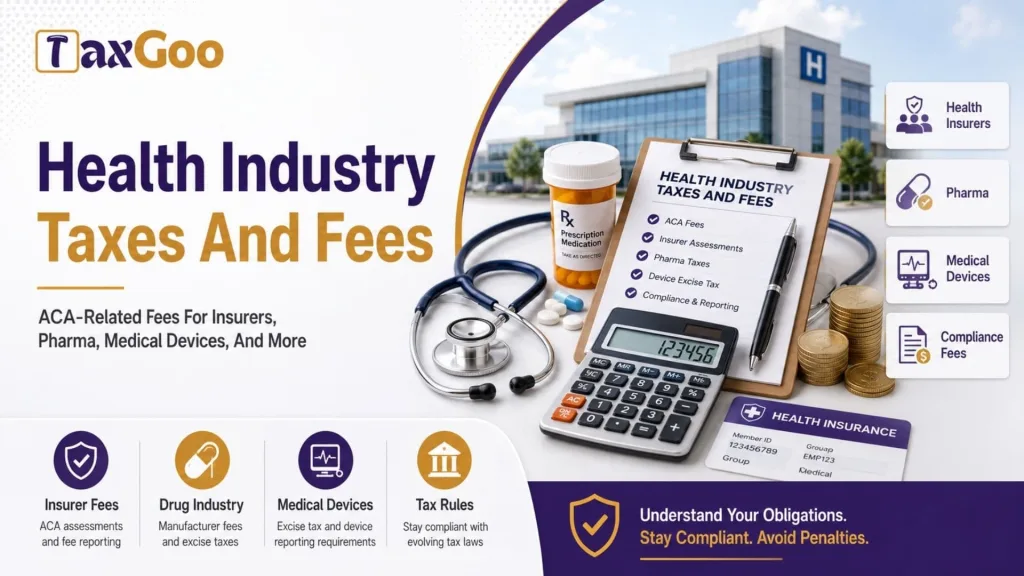
Health Industry Taxes And Fees
The ACA enacted several provisions aimed primarily at businesses operating within the healthcare industry.
The branded prescription drug fee applies to qualifying manufacturers and importers with more than $5 million in branded drug sales connected with specified government programs. This annual fee began for calendar years after 2010 and remains active.
The Patient-Centered Outcomes Research Institute fee, or PCORI fee, applies to issuers of specified insurance policies and sponsors of certain self-insured plans. It is calculated using the average number of covered lives and an annually adjusted rate. The fee is scheduled to continue through plan or policy years ending before October 1, 2029.
Other industry provisions did not survive. The annual health insurance provider fee was repealed after the 2020 fee year. The medical-device excise tax was placed under a moratorium and later repealed, meaning taxable device sales after December 31, 2015, were not subject to it.
The Cadillac Tax
The ACA created a planned 40 percent excise tax on high-cost employer-sponsored health coverage, commonly known as the Cadillac tax.
Its effective date was delayed several times, and Congress repealed it in December 2019. As a result, the Cadillac tax never became an operating tax collected from employer health plans.
Medical Expense Deduction Changes
The ACA increased the income threshold for deducting unreimbursed medical expenses from 7.5 percent to 10 percent of adjusted gross income for many taxpayers beginning in 2013, with temporary relief initially provided for older taxpayers.
Later legislation changed the threshold again. Under current rules, taxpayers who itemize can deduct qualifying medical expenses only to the extent that they exceed 7.5 percent of adjusted gross income.
Did Obamacare Only Increase Taxes?
No. The ACA also created or expanded tax benefits, most notably the refundable Premium Tax Credit for eligible individuals and families purchasing qualifying Marketplace insurance. Small employers may also qualify for a health insurance tax credit when they meet program requirements.
The overall law therefore included both revenue-raising provisions and financial assistance intended to make qualifying health coverage more affordable.

Frequently Asked Questions
Is The Obamacare Individual Mandate Tax Still Active?
The federal payment has been zero since 2019, although some states have separate penalties.
Is The 3.8 Percent Investment Tax Still In Effect?
Yes. The Net Investment Income Tax remains part of federal law.
Did The Medical Device Tax Take Effect?
It applied before a moratorium began, but sales after 2015 were not taxed, and the provision was later repealed.
Does Everyone Pay Obamacare Taxes?
No. Each tax or fee has its own income, employment, business, or activity requirements.
SEO-Friendly Related Keywords
Obamacare taxes explained, Affordable Care Act tax increases, taxes created by Obamacare, ACA taxes still in effect, Additional Medicare Tax, Net Investment Income Tax, Obamacare individual mandate penalty, ACA employer mandate tax, Obamacare tanning tax, ACA pharmaceutical company fee, health insurance provider fee repeal, medical device tax repeal, Cadillac tax repeal, PCORI fee explained, Affordable Care Act tax provisions