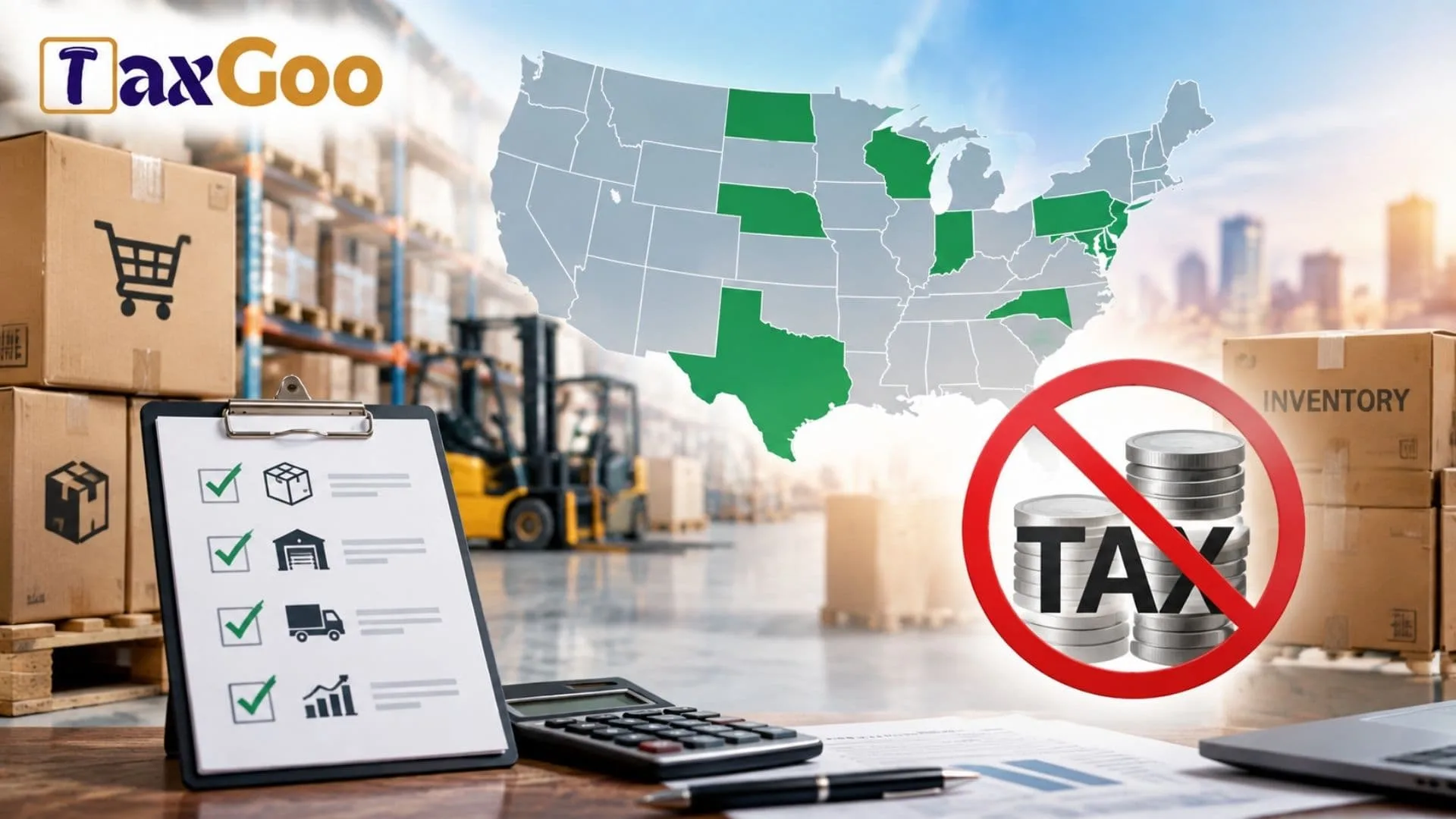
For businesses that store products, raw materials, or finished goods, taxes can have a major impact on profitability. The question “Which states do not collect inventory tax?” is important for business owners, retailers, manufacturers, and warehouse operators looking for tax-friendly locations. States without inventory tax, also known as states that do not impose a business inventory tax, allow companies to keep more capital available for operations, expansion, and investment. Unlike sales tax or income tax, inventory tax is a type of property tax applied to the value of goods held by a business. Some states require companies to report and pay taxes on their inventory every year, while others have eliminated this tax completely. Understanding inventory tax-free states, states with no business inventory tax, and best states for businesses with inventory can help companies make smarter decisions about where to operate. The rules can vary depending on the type of inventory, local government policies, and specific business activities. This article explains which states do not collect inventory tax, how inventory taxes work, and why these differences matter for businesses across the United States.
What Is Inventory Tax?
Inventory tax is a tax placed on goods that businesses own and store before selling them. It is usually considered a type of personal property tax and is often collected by local governments.
Examples of taxable inventory may include:
- Products waiting to be sold
- Raw materials used in manufacturing
- Supplies stored for business operations
- Finished goods in warehouses
For businesses with large amounts of inventory, this tax can become a significant annual expense. A company storing millions of dollars worth of products may prefer operating in a state that does not impose inventory taxes.
States That Do Not Collect Inventory Tax
Several states do not impose a business inventory tax. These states are often attractive for companies because they reduce the cost of storing and managing products.
The states that generally do not collect inventory tax include:
Delaware
Delaware is known as a business-friendly state and does not impose a state-level inventory tax. Many companies choose Delaware for business formation because of its favorable corporate environment.
Illinois
Illinois does not have a statewide business inventory tax. However, businesses should review local tax rules because property tax policies can vary by location.
Iowa
Iowa does not tax business inventory. This policy can benefit manufacturers, distributors, and agricultural businesses that maintain large amounts of stored goods.
Minnesota
Minnesota does not impose a general inventory tax on businesses. The state provides a more predictable environment for companies that rely on inventory storage.
New Jersey
New Jersey does not collect a traditional inventory tax on business goods. Companies may still face other taxes depending on their operations and location.
North Dakota
North Dakota does not impose a business inventory tax. This can help companies that manage warehouses, manufacturing facilities, or distribution centers.
Oklahoma
Oklahoma does not tax business inventory. Businesses operating in industries that require significant stock levels may benefit from this policy.
Pennsylvania
Pennsylvania does not impose a general inventory tax on business goods. However, businesses should consider other state and local taxes when evaluating costs.
Texas
Texas does not collect a state inventory tax. However, local property taxes may apply to certain types of business property, so companies should review specific county rules.
Virginia
Virginia does not have a traditional inventory tax. The state is considered attractive for businesses because of its infrastructure and economic environment.
Why Do Some States Avoid Inventory Taxes?
States may choose not to collect inventory taxes because they want to encourage business growth and attract companies. Removing inventory taxes can make it easier for retailers, manufacturers, and logistics companies to operate.
Inventory taxes can create challenges because businesses must calculate the value of their stored goods every year. Companies may also avoid keeping large inventories in states where these taxes increase operating expenses.
By eliminating inventory taxes, states can create incentives for companies to build warehouses, open distribution centers, and expand operations.
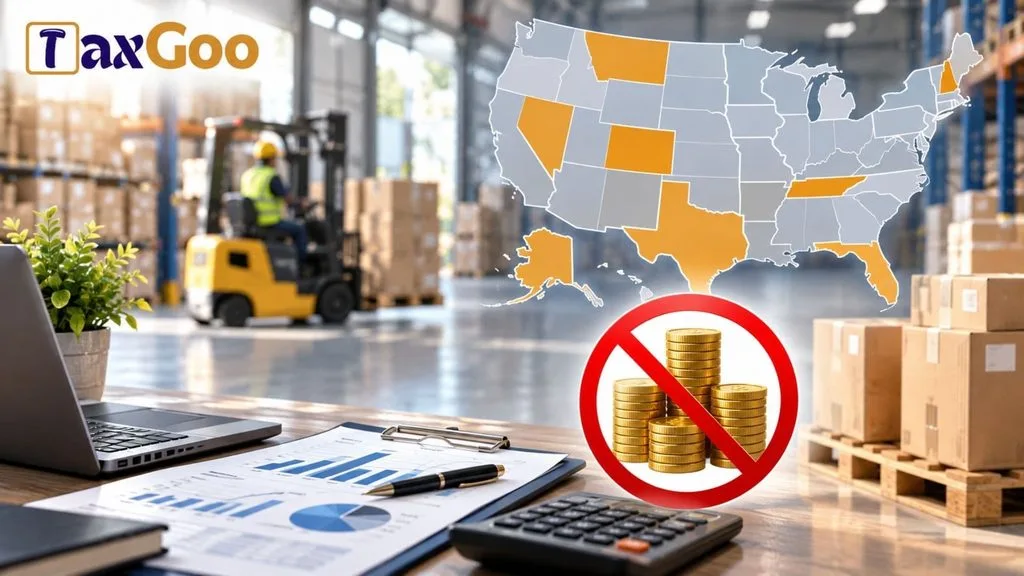
Benefits Of Operating In A State Without Inventory Tax
Businesses located in inventory tax-free states may experience several advantages.
Lower Operating Costs
Without an annual inventory tax bill, companies can reduce expenses and use more resources for growth, hiring, and technology.
Better Cash Flow
Businesses often invest significant money into inventory. Avoiding additional taxes allows companies to maintain stronger cash flow.
Easier Inventory Management
Companies operating in states without inventory taxes may have fewer reporting requirements related to stored products.
Business Expansion Opportunities
Lower costs can make it easier for businesses to expand warehouses, increase product availability, and improve supply chains.
Other Taxes Businesses Should Consider
Although a state may not collect inventory tax, businesses should not look only at one tax category. Other costs can affect overall expenses, including:
- Corporate income taxes
- Sales taxes
- Property taxes
- Franchise taxes
- Labor costs
- Insurance expenses
A state with no inventory tax may still have higher costs in other areas. Businesses should evaluate the complete financial environment before choosing a location.
How To Choose The Right State For Your Business
Selecting a business location requires looking at several factors beyond inventory tax policies. Companies should consider customer locations, transportation networks, workforce availability, regulations, and overall operating costs.
For example, a warehouse business may prioritize access to highways and shipping routes, while a manufacturing company may focus on labor availability and infrastructure.
Tax policies are an important part of the decision, but they work together with other business factors.
Final Thoughts
The answer to “Which states do not collect inventory tax?” includes several states that have removed or do not impose traditional business inventory taxes, such as Delaware, Iowa, Texas, Virginia, and others. These inventory tax-free states can provide financial advantages for companies that store large amounts of products.
However, businesses should review all tax obligations and operating expenses before making location decisions. Understanding inventory tax policies can help companies choose locations that support long-term growth and financial stability.
Frequently Asked Questions
Which States Have No Inventory Tax?
Several states do not collect traditional business inventory taxes, including Texas, Delaware, Iowa, Virginia, and others.
What Is Inventory Tax?
Inventory tax is a property tax charged on the value of goods a business stores for sale or production.
Does Texas Have Inventory Tax?
Texas does not collect a state inventory tax, but some local property taxes may apply to certain business assets.
Why Do Businesses Prefer States Without Inventory Tax?
Businesses may choose these states because they can reduce costs, improve cash flow, and simplify inventory management.