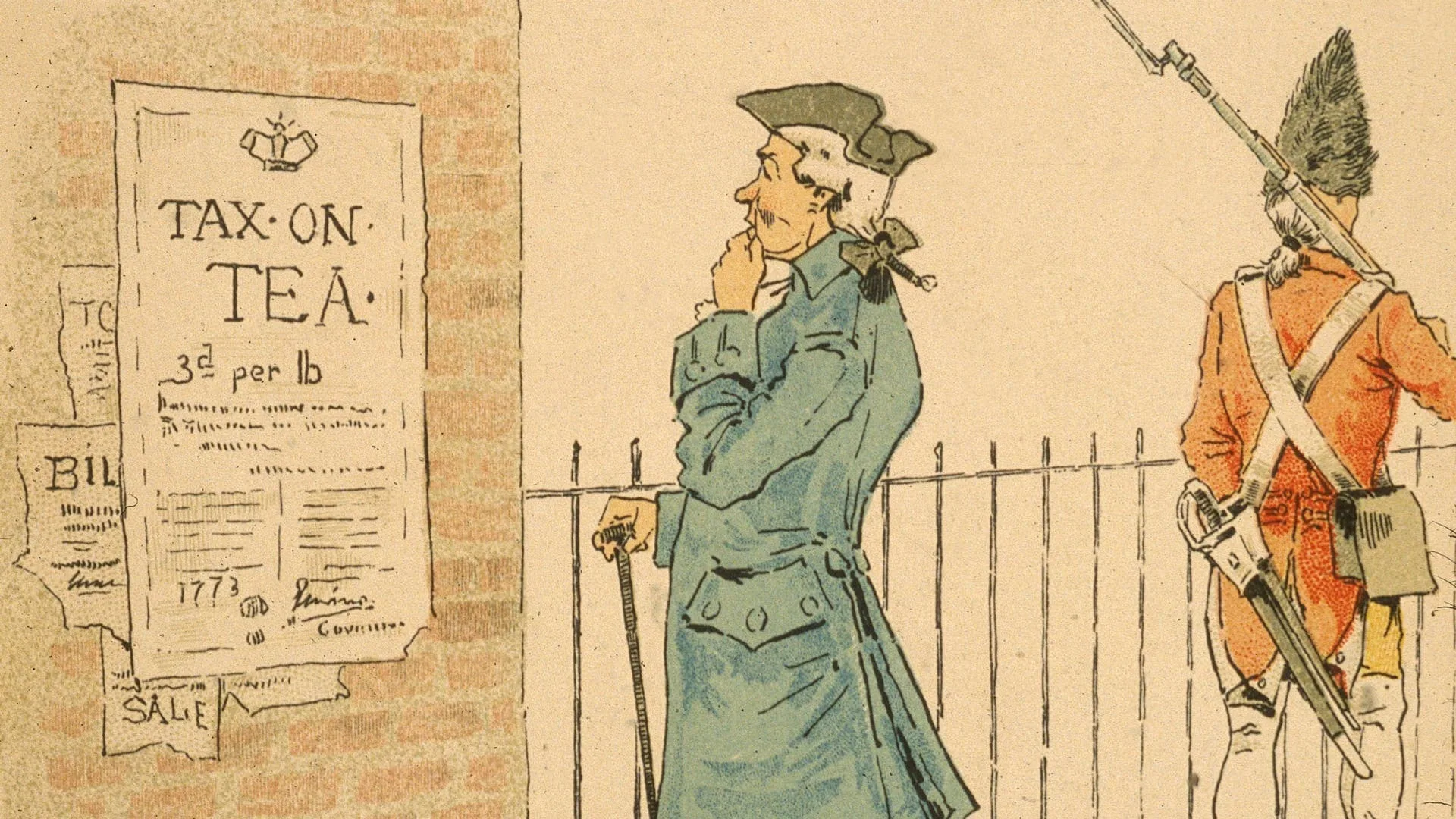
When people ask, “Why did King George place taxes on the colonies?” they’re diving into one of the most fascinating chapters of early American history—a time when British colonial rule, economic pressures, and growing discontent collided in dramatic fashion. King George III and the British Parliament introduced a series of taxes on the American colonies for several interconnected reasons: to recover from the heavy costs of the French and Indian War, to assert authority over the distant colonies, and to replenish the royal treasury that had been seriously drained by years of global conflict. The famous taxes—like the Stamp Act, Townshend Acts, and Tea Act—weren’t just about revenue; they were also about reminding the colonies who was in charge, and ensuring that the faraway subjects contributed their “fair share” to the British Empire. These decisions, rooted in both financial necessity and political strategy, sparked debates, protests, and ultimately, the seeds of the American Revolution. Understanding why King George placed taxes on the colonies reveals the complex mix of money, monarchy, and a dash of miscalculation that shaped the path to independence.
The Financial Fallout Of The French And Indian War
The French and Indian War left Britain with a staggering debt. The British government believed that the American colonies, who had benefited from the costly victory and ongoing military protection, should help pay the bills. Taxes like the Sugar Act and the Stamp Act were introduced as practical solutions to refill the royal coffers. These measures were seen as reasonable by the British Parliament but felt deeply unfair by many colonists, who had grown accustomed to a degree of autonomy and self-taxation.
Parliamentary Authority And Control
Beyond dollars and cents, King George III and Parliament wanted to reinforce their legal authority over the colonies. Laws like the Declaratory Act made it clear that Britain considered itself the ultimate decision-maker in colonial affairs—including taxation. The acts were meant to remind the colonies that their prosperity and safety relied on the mother country—and that loyalty came with its own price tag.
The Stamp Act, Townshend Acts, And Tea Troubles
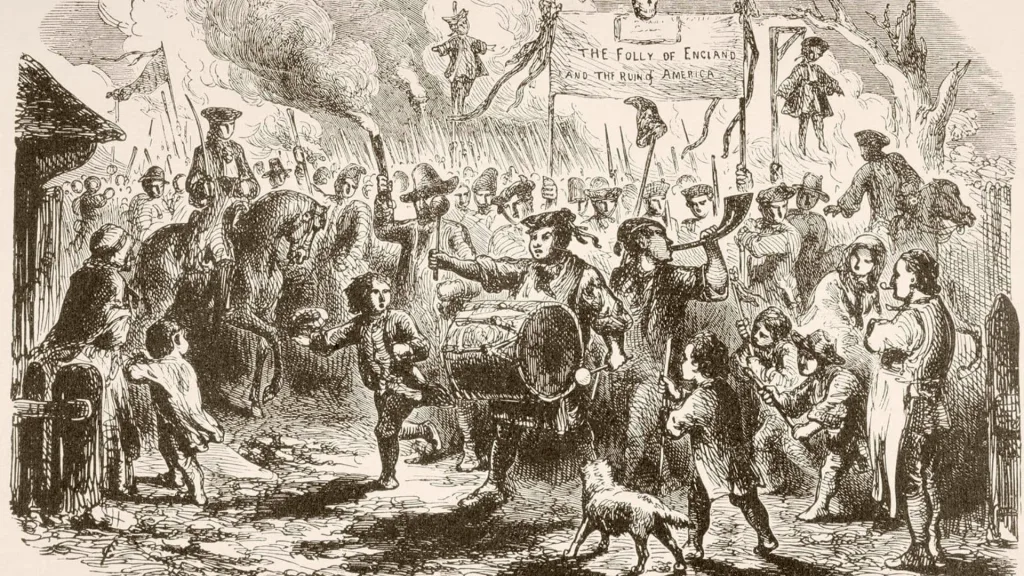
The Stamp Act of 1765 was the first direct tax on printed materials, causing a collective groan (and some well-documented uproar) across the colonies. It was soon repealed, but Parliament kept trying with new taxes, such as those in the Townshend Acts, which targeted essentials like glass, lead, and tea. The infamous Tea Act eventually led to the Boston Tea Party, showing that colonial patience was wearing thin. Each new tax fueled more resentment, protests, and a sense that the king was out of touch with colonial realities.
Colonial Reactions And The Road To Revolution
Colonists didn’t just grumble about the taxes—they acted! From boycotts to fiery pamphlets and rowdy protests, the pushback was loud and creative. The rallying cry of “no taxation without representation” spread quickly, uniting diverse groups in opposition to royal policies. These spirited responses played a huge role in forging a shared American identity and set the stage for the quest for independence.
Conclusion: The Cost Of Control
So, why did King George place taxes on the colonies? In short: to fund an expensive empire, enforce royal authority, and solve financial crises. But those taxes ended up costing Britain far more than they ever collected, by lighting the spark that ignited the American Revolution. Sometimes, a quest for coins can change the course of history!
FAQs
Q: What Was The Main Reason King George Taxed The Colonies?
A: To help pay off Britain’s debts from the French and Indian War and to assert control over the colonies.
Q: How Did The Colonists Respond To British Taxes?
A: Colonists protested, boycotted British goods, and eventually demanded independence.
Q: Which Tax Led To The Boston Tea Party?
A: The Tea Act of 1773 was the final straw that led to the Boston Tea Party.