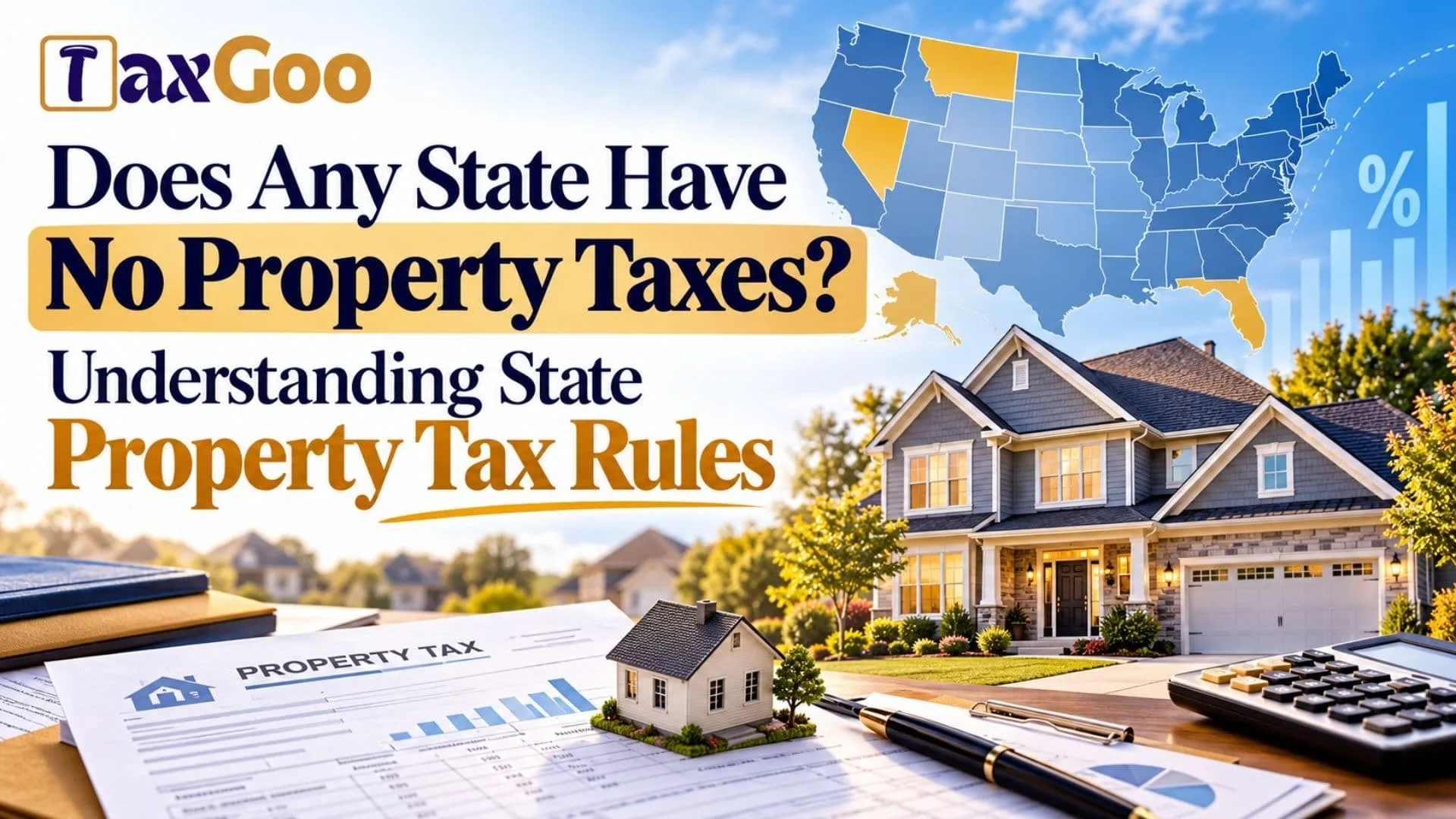
Does Any State Have No Property Taxes? Understanding State Property Tax Rules is an important question for homeowners, real estate investors, retirees, and anyone considering buying property in the United States. Property taxes are among the most significant recurring expenses associated with homeownership, and understanding state property tax laws, property tax exemptions, local property taxes, and states with the lowest property tax rates can help individuals make better financial decisions. Although some states are frequently described as having no property taxes, the reality is more complicated. Every U.S. state allows some form of real estate property taxation, generally administered by local governments rather than state authorities. However, certain locations have unusually low property tax burdens, some areas do not impose local real estate taxes, and eligible homeowners may qualify for exemptions that substantially reduce or eliminate their bills. Exploring these differences helps clarify how property taxation works across the country and what property owners should consider before choosing where to live or invest.
Does Any U.S. State Have No Property Taxes?
The simple answer is no, there is no U.S. state that completely eliminates property taxes across its entire territory. Every state permits real estate taxation in at least some jurisdictions. These taxes are typically imposed by counties, municipalities, school districts, and other local authorities. However, the distinction between statewide taxation and local taxation creates considerable confusion. For example, Texas does not impose a state property tax. Nevertheless, local governments throughout Texas collect property taxes to finance public services. Florida similarly does not impose a state-level property tax, but homeowners still face local property tax obligations. Therefore, a state without a statewide property tax does not necessarily provide tax-free homeownership.
Why Do States Collect Property Taxes?
Property taxes are essential revenue sources for many local governments. Unlike federal income taxes, which support national programs, local property taxes primarily finance public services within communities. Common expenses supported by property tax revenue include:
- Public schools and educational facilities
- Road maintenance and transportation infrastructure
- Fire departments and emergency services
- Local law enforcement
- Parks, libraries, and community facilities
- Municipal government operations
According to the Tax Foundation, property taxes accounted for 70% of local tax collections nationwide in fiscal year 2023. This reliance helps explain why eliminating property taxes entirely presents financial challenges for local governments.
Tax Foundation Maps
Which States Have The Lowest Property Tax Rates?
Although no state completely eliminates property taxes, certain states maintain relatively low effective property tax rates.
Based on the Tax Foundation’s 2026 publication using 2024 homeowner tax data, several states stand out for lower effective rates.
Hawaii
Hawaii has an effective property tax rate of approximately 0.29%, making it one of the lowest-tax states for residential property.
However, relatively expensive real estate means homeowners may still face substantial annual payments.
Alabama
Alabama’s effective property tax rate is approximately 0.37%.
The state also provides qualifying homestead exemptions, making certain residential properties eligible for additional tax relief.
Arizona
Arizona has an effective property tax rate of approximately 0.48%.
Property owners should still examine local assessments and applicable exemptions because individual tax bills vary.
South Carolina
South Carolina’s effective property tax rate is approximately 0.49%.
Its property tax structure includes different assessment rules depending on property classification.
These figures are statewide comparisons, not guaranteed rates for individual homes.
Tax Foundation Maps
Are There Places In America Without Property Taxes?
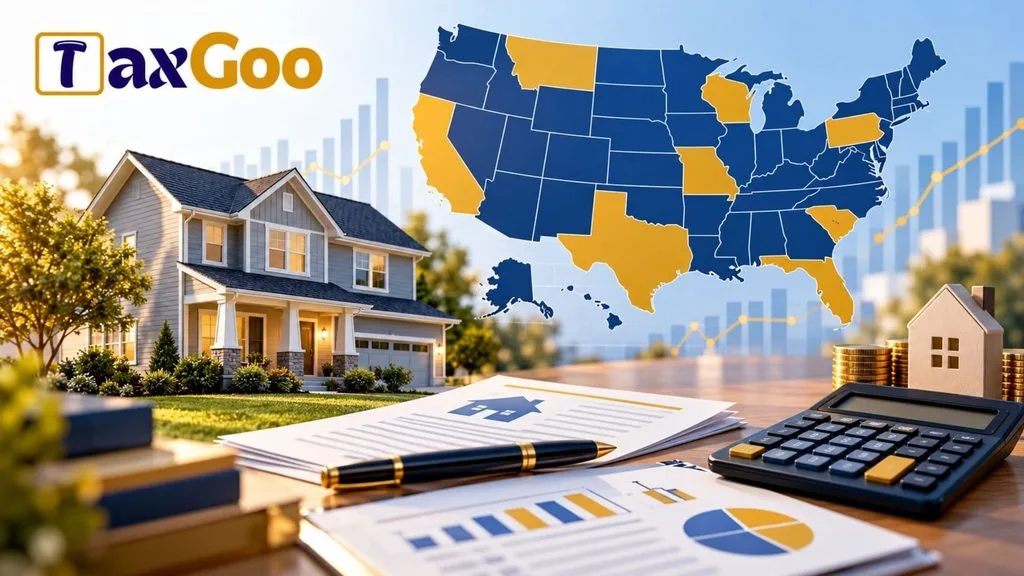
Interestingly, some specific locations may offer property ownership without ordinary local real estate taxes. Alaska provides an important example. Unlike most states, Alaska contains extensive unincorporated territory where property taxes are not imposed by a municipal government. According to Alaska’s Department of Commerce, significant portions of the state’s land area are outside local property tax jurisdictions. However, many incorporated municipalities in Alaska impose property taxes, and the absence of a local levy does not eliminate other ownership expenses. Anyone considering purchasing land in Alaska should verify the exact property’s jurisdiction and tax status before assuming it qualifies for tax-free ownership.
How Are Property Taxes Calculated?
Understanding how property taxes are calculated makes it easier to compare ownership expenses. Generally, property taxes depend on a property’s taxable assessed value and the rates established by relevant taxing authorities. For a simplified example, consider a home with a taxable assessed value of $250,000 and a combined property tax rate of 1%. The estimated annual property tax would be:
$250,000 × 1% = $2,500
However, actual calculations differ among states. Some jurisdictions apply assessment ratios, exemptions, classification rules, or taxable value limitations. Consequently, two similarly priced houses may generate very different property tax bills depending on their locations.
Can Homeowners Legally Avoid Paying Property Taxes?
While purchasing a home does not automatically provide a property tax exemption, qualifying homeowners may receive meaningful financial relief. Several property tax reduction programs are available across the United States.
Homestead Exemptions
Homestead exemptions generally reduce the taxable value of a qualifying primary residence.
The amount and eligibility requirements vary by jurisdiction.
Senior Citizen Property Tax Relief
Some states offer additional exemptions, credits, or assessment limitations for eligible older homeowners.
Income requirements, age thresholds, and residency conditions may apply.
Disabled Veteran Exemptions
Certain states provide substantial property tax exemptions for qualifying disabled veterans.
For example, Texas allows eligible veterans with qualifying total service-connected disabilities to receive a complete exemption on their residence homestead.
Texas Comptroller
Property Tax Appeals
Homeowners may challenge assessments they believe are inaccurate.
A successful appeal can reduce a property’s taxable valuation and potentially lower its annual tax bill.
Does Having No State Income Tax Mean No Property Tax?
One common misconception is that states without personal income taxes also eliminate property taxes. These are entirely different types of taxation. Texas and Florida do not impose broad individual state income taxes, but their local governments still collect property taxes. States finance government services through different combinations of income taxes, sales taxes, property taxes, and other revenue sources. As a result, lower taxes in one category do not necessarily mean lower overall tax obligations. Prospective homeowners should evaluate their complete financial situation instead of focusing on a single tax.
What Should You Consider Before Moving To A Low-Property-Tax State?
Moving to an area with lower property taxes can reduce ongoing homeownership expenses, but several additional financial considerations deserve attention. Housing prices are particularly important. A state with low effective property tax rates may still have expensive homes. Other considerations include homeowners insurance, sales taxes, income taxes, utility expenses, and maintenance costs. Buyers should also investigate whether local governments have recently changed assessment rules or tax rates. Reviewing actual property tax records for individual homes provides more useful information than relying solely on statewide averages.
Conclusion
So, does any state have no property taxes? No U.S. state eliminates property taxes everywhere within its borders, although particular jurisdictions and qualifying properties may have no ordinary property tax liability. States such as Hawaii and Alabama offer relatively low effective rates, while exemptions and local tax rules create additional opportunities for homeowners to reduce their expenses. Understanding these differences allows property buyers to compare locations more accurately and make informed decisions about long-term homeownership costs.
Frequently Asked Questions
Does Any State Have Zero Property Taxes?
No. Every U.S. state permits property taxation somewhere within its borders, although certain localities and eligible properties may have no tax liability.
Which State Has The Lowest Property Tax Rate?
Hawaii has one of the lowest effective residential property tax rates, approximately 0.29% according to the Tax Foundation’s 2026 publication.
Does Texas Have Property Taxes?
Yes. Texas has no state-level property tax, but local governments collect property taxes to fund schools and other public services.
Can Senior Citizens Avoid Property Taxes?
Some qualifying seniors receive exemptions, credits, or other relief. Eligibility and the amount of savings depend on state and local regulations.
Is Property Tax Included In Mortgage Payments?
Sometimes. Mortgage lenders may collect property taxes through monthly escrow payments and pay local authorities on the homeowner’s behalf.
Do You Pay Property Taxes After Paying Off Your Mortgage?
Yes. Paying off a mortgage does not eliminate property tax obligations unless the property qualifies for an applicable exemption or is in a jurisdiction without the tax.